 Fixated on Home
Introduction to Wood and Composite Choices in Outdoor Renovations
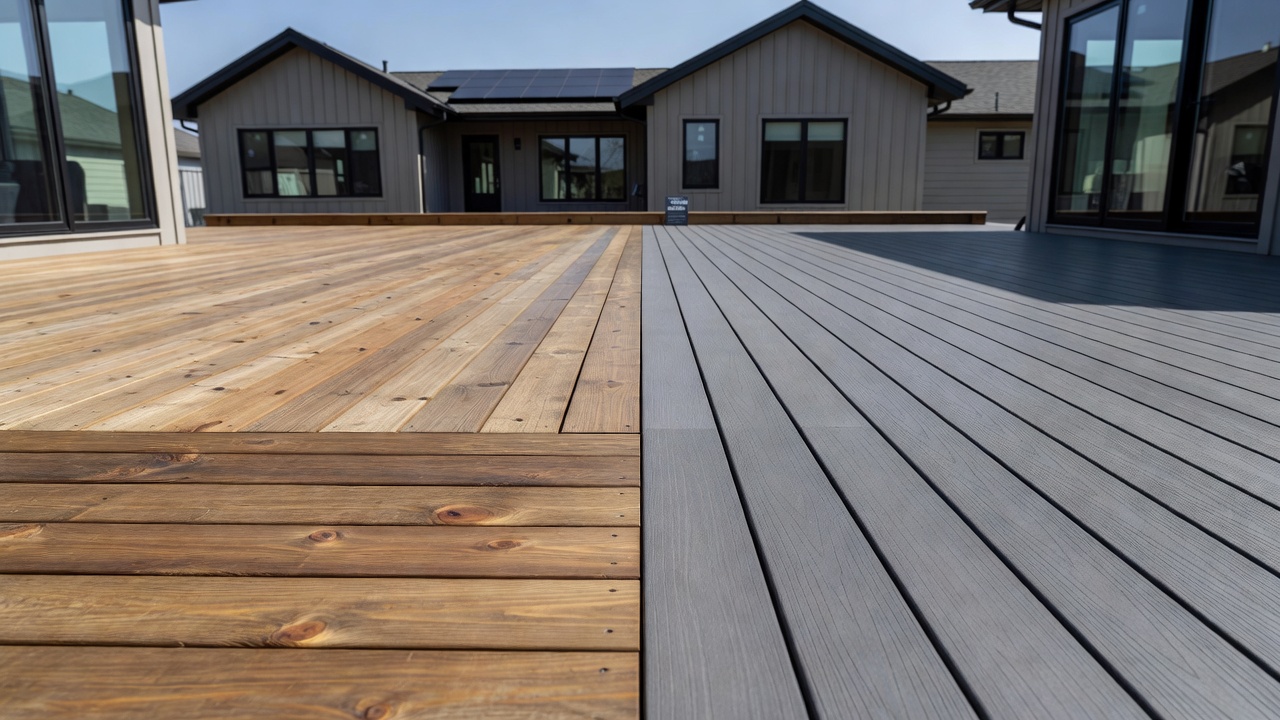
Homeowners tackling fixer-upper properties in 2026 often face a key decision when upgrading outdoor spaces: whether to use traditional wood or modern composite materials. This choice impacts structures like decks, fences, pergolas, and surfaces such as railings and siding. Both options offer distinct advantages for DIY enthusiasts seeking durable, low-maintenance solutions that withstand various climates while fitting budget constraints. Wood provides a natural aesthetic and has been a staple in home improvement for generations. Composite materials, made from wood fibers and recycled plastics, deliver enhanced performance with less upkeep. Understanding their differences helps align selections with project goals like longevity and ease of installation. In this comprehensive guide, we examine every aspect to support informed decisions for outdoor renovations on older homes needing updates.
Key Pros and Cons Across Common Outdoor Elements
When evaluating materials for decks, fences, and other structures, consider factors such as strength, appearance, and resistance to elements. Wood excels in classic looks but requires regular treatment. Composites resist rot and insects better but may not match wood's organic feel. Each material brings trade-offs that vary by application, making it essential to match the option to the specific renovation element.
Decking and Surfaces
Wood decking offers warmth and can be stained for custom finishes, yet it expands and contracts with moisture changes, leading to potential cupping over time. Composite decking maintains color and resists warping, making it suitable for high-traffic areas on fixer-uppers where consistent appearance matters. Homeowners often note that wood feels cooler underfoot in summer but needs protection from UV rays, while composites provide a slip-resistant surface year-round without additional coatings.
Fencing and Vertical Structures
Wood fences provide privacy with versatile designs, though they demand sealing against weathering to prevent cracking. Composite options deliver consistent performance in windy or rainy regions with minimal fading over time. For pergolas and trellises, wood allows easy customization of shapes, whereas composites offer pre-molded components that simplify assembly for less experienced DIYers.
Climate Durability Considerations
Regional weather plays a major role in material selection. In humid or coastal areas, composites outperform wood by resisting mold and salt damage, which can degrade untreated lumber quickly. In dry climates, properly treated wood can last decades with care, though extreme temperature swings may cause expansion issues. Cold northern regions favor composites for their freeze-thaw resistance, while southern homeowners appreciate wood's breathability in hot summers. Always assess local conditions and test samples before starting a 2026 renovation project to avoid premature failure.
DIY Installation Ease and Practical Steps
Both materials support DIY approaches, but techniques differ. Wood often requires basic carpentry skills and tools like saws and drills. Composites may need specialized fasteners to account for thermal expansion. Follow these detailed steps for success: measure and plan your layout thoroughly using stakes and string lines; prepare the ground or foundation for stability by leveling soil and adding gravel bases; install with proper spacing and hardware recommended by manufacturers to allow for movement; finish edges to prevent water intrusion with end caps or sealants; and secure all connections with corrosion-resistant screws. Additional tips include wearing protective gear during cutting and double-checking alignments at each stage to prevent costly rework.
Maintenance Comparisons for Long-Term Ownership
Maintenance is a critical factor for busy homeowners. Wood typically needs annual cleaning, staining, and inspections for rot or insect damage, which can involve hours of labor each season. Composites require only occasional washing with mild soap and water, reducing time and effort significantly. Over a multi-year period, this difference often tips the scale for fixer-upper owners prioritizing low ongoing work. Regular inspections remain wise for both, but composites eliminate the need for chemical treatments that wood demands to stay protected.
Environmental Impact and Sustainability
Choosing materials involves weighing ecological effects. Wood from responsibly managed forests supports biodiversity when sourced properly and can be recycled or composted at end of life. Composites incorporate recycled content, reducing landfill waste and often using post-consumer plastics. For more on sustainable practices, refer to the Environmental Protection Agency, the U.S. Department of Agriculture, and the U.S. Forest Service resources on material sourcing, recycling programs, and responsible harvesting guidelines.
Step-by-Step Decision Framework
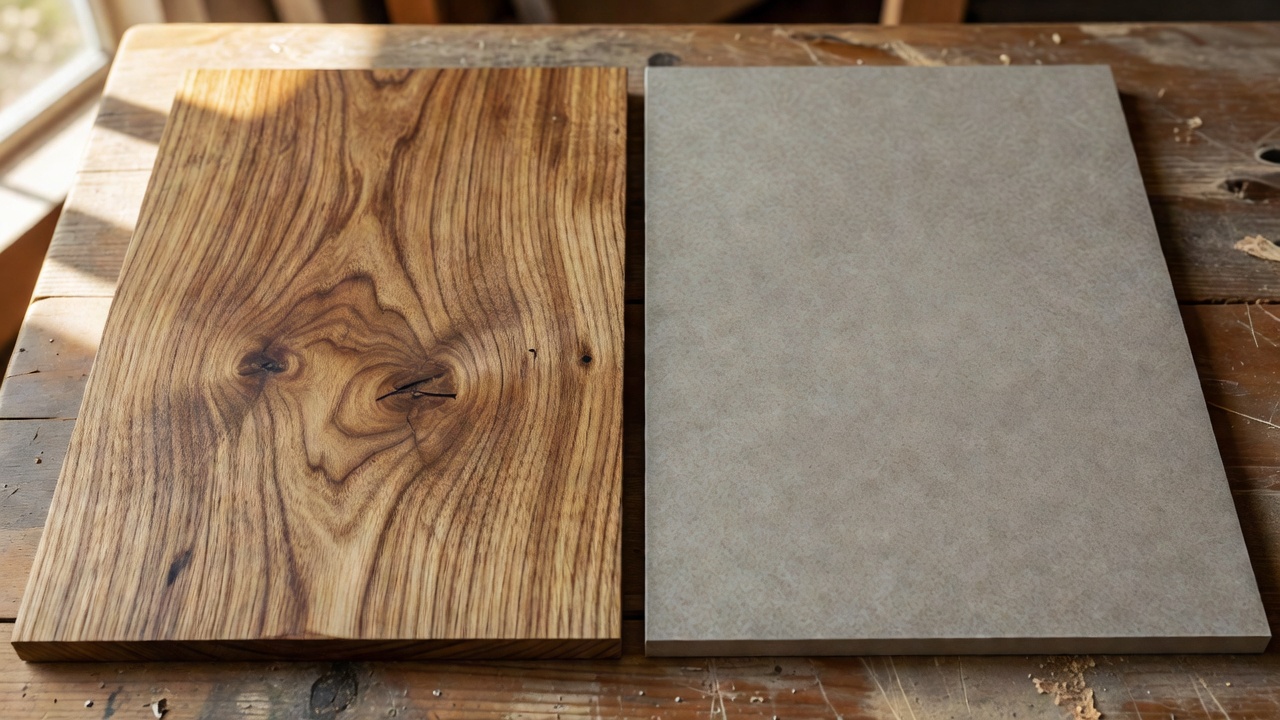
Use this framework to decide between wood and composite: assess your climate and exposure risks by reviewing local weather data; evaluate budget priorities for initial versus ongoing costs by comparing long-term ownership scenarios; consider DIY skill level and available tools through a trial project if needed; review aesthetic preferences for the property style by viewing material samples in natural light; factor in environmental goals and permit requirements by contacting local building departments; and test small sections in your yard before full commitment. This structured approach ensures the chosen material aligns with both short-term renovation needs and long-term property value.
Real-World 2026 Budget Project Examples
Many DIYers in 2026 have shared successes with hybrid approaches, such as wood posts paired with composite railings on budget decks for balanced strength and low upkeep. Others have replaced entire fences using composites in flood-prone areas after wood versions failed repeatedly. These projects highlight how mixing materials can optimize performance without exceeding typical renovation scopes on fixer-uppers. Focus on quality foundations and proper drainage to maximize results regardless of surface choice, and document progress with photos for future reference or resale value.
Common Mistakes to Avoid
DIY renovators frequently overlook site preparation, leading to uneven settling. Another error is ignoring expansion gaps in composite installations, which causes buckling. Choosing the wrong fasteners can result in corrosion stains on wood. Always verify local codes early, as skipping permits can halt projects midway. Finally, neglecting to seal cut ends on wood pieces invites moisture damage from the start.
FAQ: Addressing Common Fixer-Upper Concerns
How long do these materials typically last outdoors?
Wood can endure 15-30 years with proper maintenance, while composites often exceed 25-50 years due to their resistance to decay and insects.
Do I need permits for outdoor renovations?
Many areas require permits for structures over a certain size or height. Consult local authorities before beginning work to avoid delays or fines.
Which option offers better value for resale?
Both can enhance appeal, but composites often require less buyer concern about future repairs, potentially aiding quicker sales in competitive markets.
Can I mix wood and composite in one project?
Yes, combining them allows customization while leveraging the strengths of each material for optimal outcomes on decks or fences.
What tools are essential for a beginner DIYer?
Basic kits include a circular saw, drill, level, measuring tape, and safety equipment. Composites may also need a specialized cutting blade.
How does color retention compare over time?
Wood fades unless restained regularly, whereas composites hold color longer but can show scratches more visibly in light shades.
Conclusion
Selecting between wood and composite for 2026 outdoor DIY renovations depends on balancing aesthetics, durability, maintenance, and environmental priorities. By applying the insights and frameworks outlined, homeowners can confidently upgrade fixer-uppers with materials that deliver lasting satisfaction and improved property function.
No comments yet. Be the first!