 Fixated on Home
Introduction: Blending Wellness Technology with Timeless Bedroom Design
Modern homeowners planning 2026 bedroom renovations increasingly seek solutions that enhance restorative sleep without sacrificing aesthetic appeal. Smart upgrades such as circadian lighting systems, air quality sensors, temperature zoning, and acoustic controls can transform a standard bedroom into a sanctuary of wellness. These technologies integrate seamlessly with contemporary interiors, supporting natural sleep cycles while maintaining clean lines and sophisticated finishes. This guide provides practical implementation steps, real-world examples, and decision-making frameworks tailored for renovation projects focused on health and design. By addressing the full spectrum of environmental factors that influence sleep, including light, air, temperature, and sound, these upgrades create measurable improvements in rest quality while elevating the visual and functional aspects of the space.
Circadian Lighting Systems for Natural Sleep Cycles
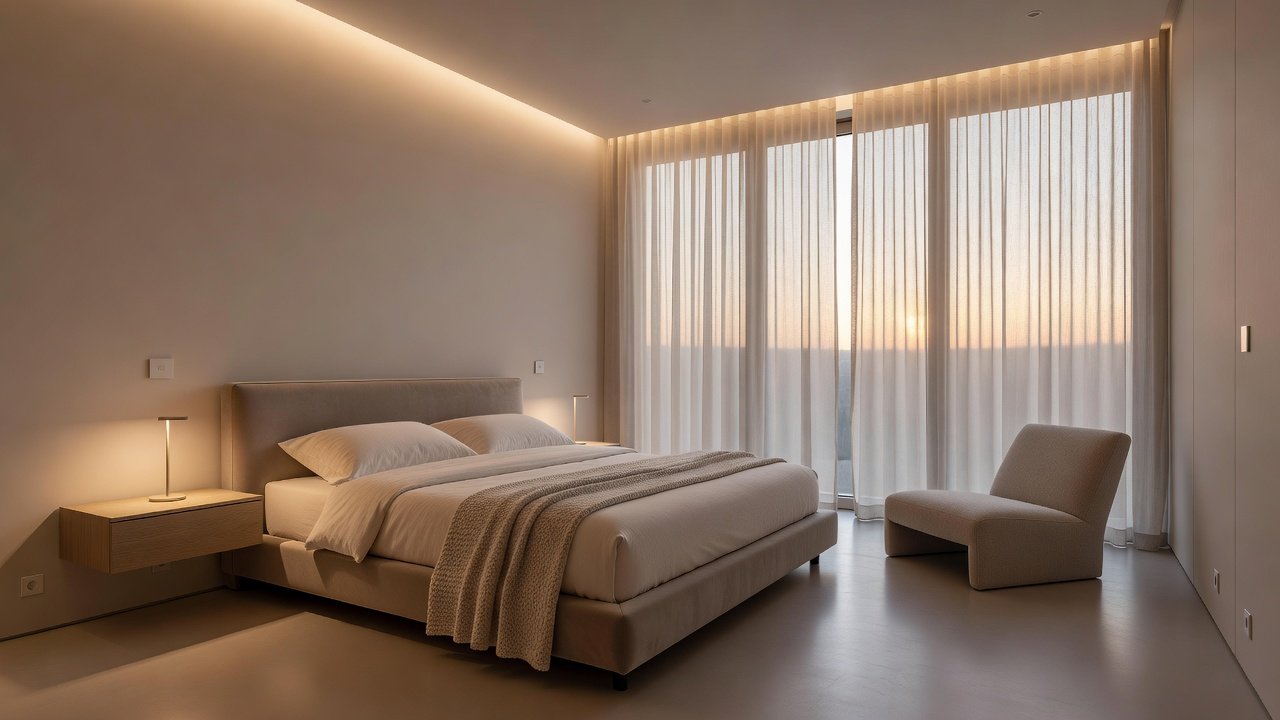
Circadian lighting mimics the sun's daily progression, emitting warmer tones in the evening to promote melatonin production and cooler, energizing light in the morning. In a renovation context, recessed tunable LED fixtures replace traditional bulbs, controlled via apps or voice assistants. These systems pair well with minimalist fixtures that complement neutral palettes and layered textiles. Homeowners report improved sleep onset after installation, as the lighting aligns with biological rhythms supported by research from leading health organizations. Practical steps include mapping the room's natural light sources first, then layering artificial systems to fill gaps without creating harsh contrasts. For instance, install tunable strips along cove ceilings or behind headboards to provide indirect illumination that feels organic rather than technological.
Design considerations emphasize fixtures with matte finishes that disappear into ceilings or walls. Pair them with smart switches hidden behind elegant plates to preserve visual calm. Comparisons between basic dimmable LEDs and full circadian systems show the latter offers superior rhythm support through automated scheduling that adapts to seasonal changes. Mistakes to avoid include placing bright cool lights near the bed, which can delay sleep onset; instead, position task lighting separately from ambient sources.
Air Quality Sensors and Purification Integration
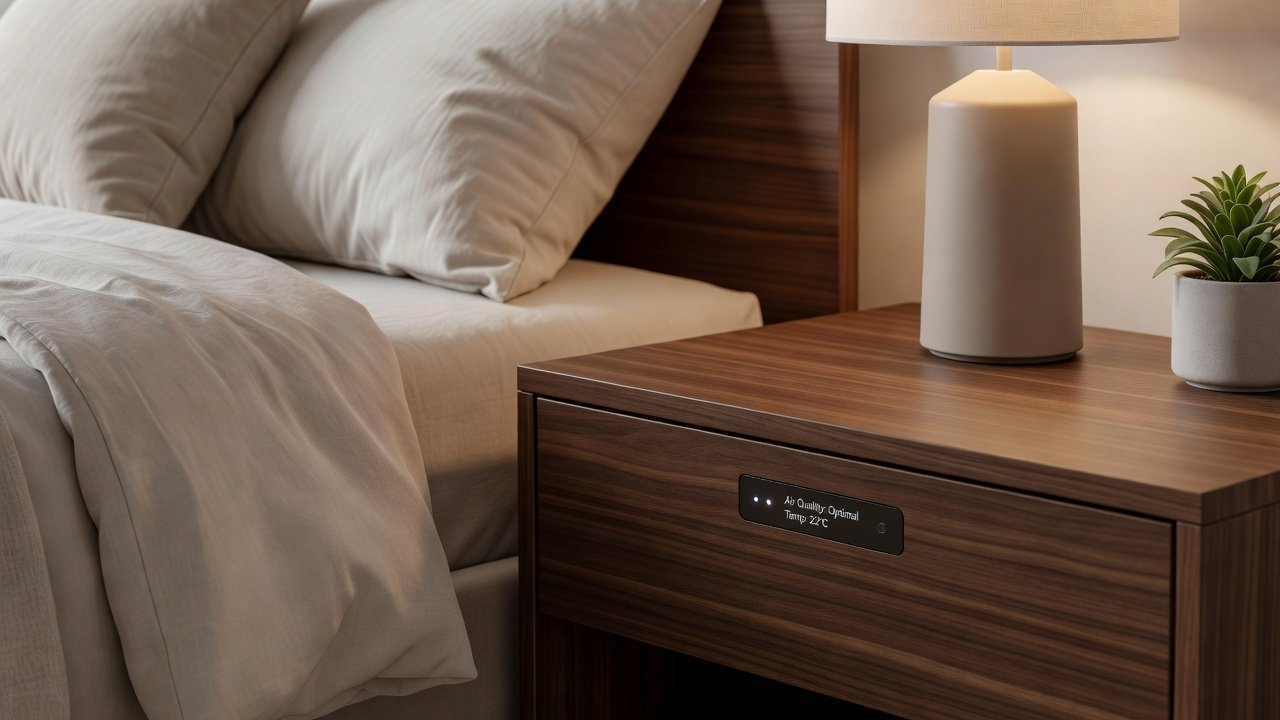
Indoor air quality directly impacts sleep depth and respiratory health. Sensors monitor particulate matter, VOCs, and humidity levels, triggering automated responses from purifiers or ventilation systems. During renovation, embed these sensors into built-in cabinetry or wall panels so they remain discreet yet effective. Contemporary models feature slim profiles that match modern decor themes, avoiding the bulky appearance of older units. Link air quality data to whole-home systems for proactive adjustments, creating a responsive environment that maintains optimal conditions overnight. Real-world examples demonstrate how combining sensors with low-profile HEPA units hidden in closets improves overnight air turnover without audible disruption.
Learn more about indoor air quality standards from the EPA. Additional guidance on environmental health factors can be found through the World Health Organization, which highlights the role of clean air in supporting restorative rest.
Temperature Zoning for Personalized Comfort
Individual temperature preferences vary, and zoned climate control prevents disturbances from shared HVAC systems. Smart thermostats and motorized vents allow separate bedroom zones, often integrated during drywall or flooring phases of renovation. Design impact is minimal when units are concealed behind custom millwork or flush-mounted panels that align with the room's architectural details. Real-world examples include pairing zoned systems with underfloor heating for silent operation, preserving the quiet needed for deep sleep stages. Expanded implementation involves calibrating zones based on occupancy patterns, using occupancy sensors to adjust temperatures only when the bedroom is in use, thereby optimizing both comfort and energy efficiency.
Before-and-after comparisons reveal that pre-renovation bedrooms often suffer from uneven heating that causes awakenings, while post-upgrade spaces maintain stable microclimates tailored to personal preferences. Avoid common errors such as over-relying on portable units that clutter the floor plan; instead, prioritize integrated solutions during the structural phase.
Acoustic Controls That Enhance Both Sound and Style
Soundproofing materials combined with smart noise-masking devices reduce external disturbances. Acoustic panels can double as design features when upholstered in fabric that matches bedding or window treatments. During renovation, install these behind headboards or within feature walls for a polished look. Smart speakers with white-noise capabilities integrate via multi-room audio ecosystems, activated automatically based on sleep schedules. This approach not only dampens unwanted noise but also adds texture and warmth to the interior, turning functional elements into decorative assets.
Multi-Device Ecosystems and Real-World Examples
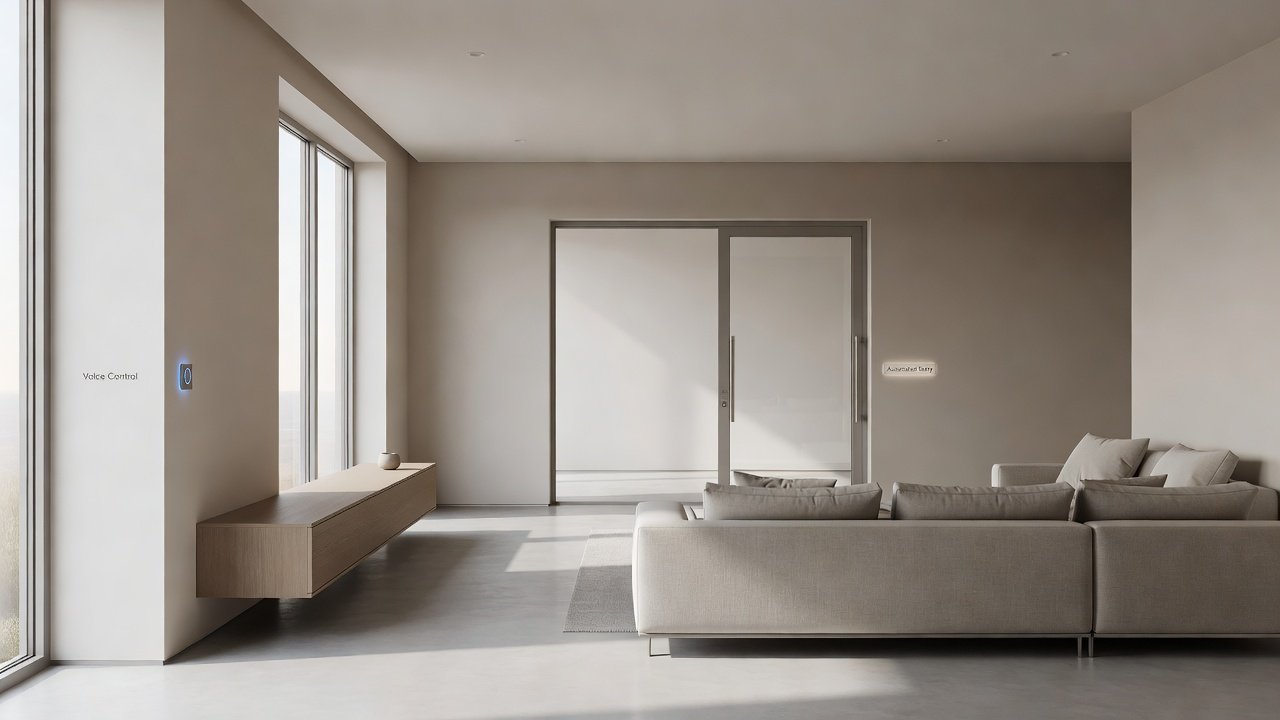
Integrating multiple systems into a unified ecosystem amplifies benefits. One example involves a central hub connecting circadian lights, air sensors, temperature zones, and acoustic devices so that a single evening routine dims lights, purifies air, stabilizes temperature, and initiates gentle sound masking. Homeowners in urban settings have reported success with this setup, noting fewer sleep interruptions from street noise and city light pollution. Another case features a couple who renovated their master suite to include voice-activated controls that adjust all parameters without reaching for separate remotes, maintaining the serene aesthetic of their minimalist design.
Practical Implementation Steps and Phased Installation Checklist
Successful projects follow a structured approach. Begin with an assessment of existing electrical and HVAC infrastructure. Next, prioritize foundational elements like wiring for lighting and sensors before cosmetic finishes.
- Phase 1: Core infrastructure – Install cabling, sensor hubs, and zoned ductwork during rough-in stage to avoid later demolition.
- Phase 2: Device integration – Mount fixtures, connect sensors, and program automation rules using compatible hubs.
- Phase 3: Testing and calibration – Fine-tune automation rules over several nights, adjusting for personal sleep patterns and seasonal variations.
- Phase 4: Aesthetic layering – Add final decor, textiles, and millwork that conceal tech components while enhancing the overall design narrative.
Include buffer time between phases for troubleshooting compatibility issues across brands.
Mistakes to Avoid During Smart Bedroom Renovations
Common pitfalls include selecting incompatible devices that require multiple apps, neglecting future scalability, and prioritizing visible tech over hidden integration. Always verify protocol support such as Matter or Zigbee for long-term flexibility. Another frequent error is ignoring acoustic and lighting interactions; bright lights paired with poor sound control can undermine relaxation even if other systems perform well.
Addressing Common Integration Challenges with Existing HVAC and Decor
FAQ: How do smart upgrades work with older HVAC systems? Retrofitting often involves smart vents or standalone units that supplement central systems without full replacement. Will visible tech clash with decor? Choose recessed or hidden installations and neutral-colored devices that blend into surroundings. What about compatibility across brands? Opt for open-protocol hubs that support multiple ecosystems for future flexibility. How can I phase the project on a limited budget? Start with lighting and sensors, then expand to zoning and acoustics in subsequent stages. These answers help homeowners navigate real constraints while achieving wellness goals.
Conclusion: Creating a Restorative Sanctuary
2026 bedroom renovations that incorporate targeted smart upgrades deliver measurable improvements in sleep quality alongside elevated design. By focusing on circadian lighting, air quality, temperature zoning, and acoustics, homeowners achieve a balanced space that supports wellness and style. Careful planning ensures these enhancements remain practical and visually cohesive for years to come, turning the bedroom into a true haven of restoration.
No comments yet. Be the first!