 Fixated on Home
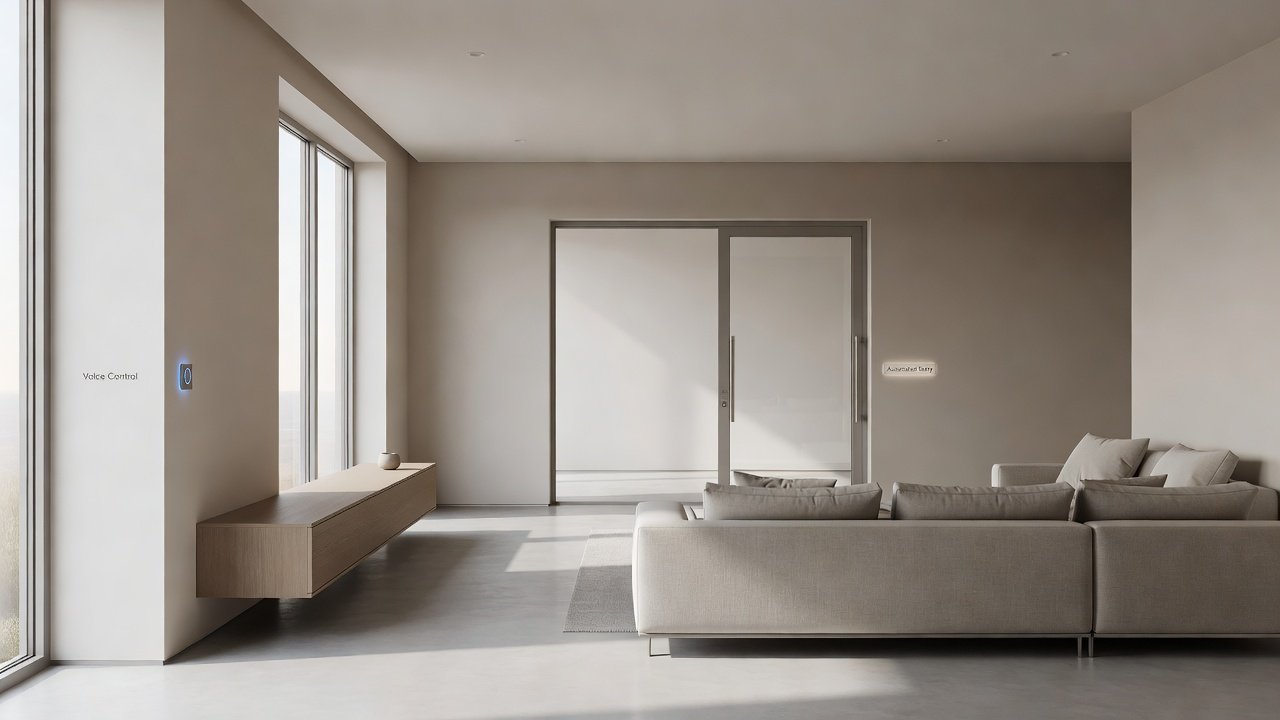
Introduction to Accessible Smart Home Upgrades
Modern homeowners are increasingly prioritizing accessibility during renovations to create inclusive spaces that support independence across all ages and abilities. Smart home technology offers seamless solutions that blend functionality with contemporary aesthetics, future-proofing properties while improving daily living. This guide explores targeted upgrades such as voice-activated controls, automated entry systems, motion-sensor lighting, and health-monitoring integrations, providing step-by-step instructions, device comparisons, and real-world examples.
These enhancements align with universal design principles, ensuring homes remain welcoming and adaptable. By integrating smart features thoughtfully, renovations can deliver both style and practicality without compromising on modern appeal. Homeowners often seek ways to future-proof their living spaces against changing mobility needs, and smart technology provides scalable options that evolve with the household. From single-story modern designs to multi-level contemporary homes, these upgrades reduce physical strain and promote safety without visible clutter.
Voice-Activated Controls for Hands-Free Operation
Voice-activated systems empower users with limited mobility by allowing control of lights, thermostats, and appliances through simple commands. Popular platforms include Amazon Alexa, Google Assistant, and Apple Siri, each offering robust ecosystems for integration. These systems reduce the need for physical switches or remotes, making daily tasks effortless in kitchens, living rooms, and bedrooms.
To set up, start by selecting compatible smart speakers or hubs placed centrally in living areas. Connect devices via Wi-Fi, then use the companion app to create routines—for instance, saying "Good morning" to raise blinds and adjust temperature. Compare options: Alexa excels in third-party device support, while Google Assistant integrates deeply with Android ecosystems and offers strong search capabilities. Apple HomeKit provides enhanced privacy features for Siri users. Real-world examples show these systems enhancing independence in kitchens during modern remodels, such as controlling ovens or coffee makers hands-free. Expand routines to include security cameras or music playback for a fully connected experience that supports both accessibility and entertainment.
Automated Entry Systems for Seamless Access
Automated doors and locks eliminate physical barriers, ideal for wheelchairs or those with dexterity challenges. Smart locks from brands like August or Schlage pair with keypads and apps for remote or voice unlocking. These systems often include biometric options or temporary codes for caregivers and visitors.
Installation begins with replacing existing hardware, ensuring compatibility with door frames. Add video doorbells for added security and visual confirmation before entry. These upgrades integrate well with modern entryways featuring clean lines and minimal hardware, maintaining aesthetic harmony. Consider adding automatic door openers for interior transitions, such as from garage to home, which can be triggered by motion or app. Practical examples include retrofitting a contemporary front door with a smart lock that syncs to a whole-home system, allowing family members to grant access remotely during renovations or emergencies.
Learn more about accessibility standards from the U.S. Access Board.
Motion-Sensor Lighting for Safe Navigation
Motion-sensor lights activate automatically, reducing fall risks and supporting low-vision users. LED options with adjustable sensitivity and timers suit hallways, bathrooms, and outdoor paths in contemporary designs. These fixtures promote energy efficiency while enhancing safety in low-light conditions common in modern open floor plans.
Setup involves wiring sensors into existing fixtures or using wireless battery models for quick installation. Compare hardwired versus plug-in versions for flexibility during renovations. Place sensors at knee height for optimal detection without false triggers from pets. Integrate with voice controls so lights can also be adjusted manually if needed. 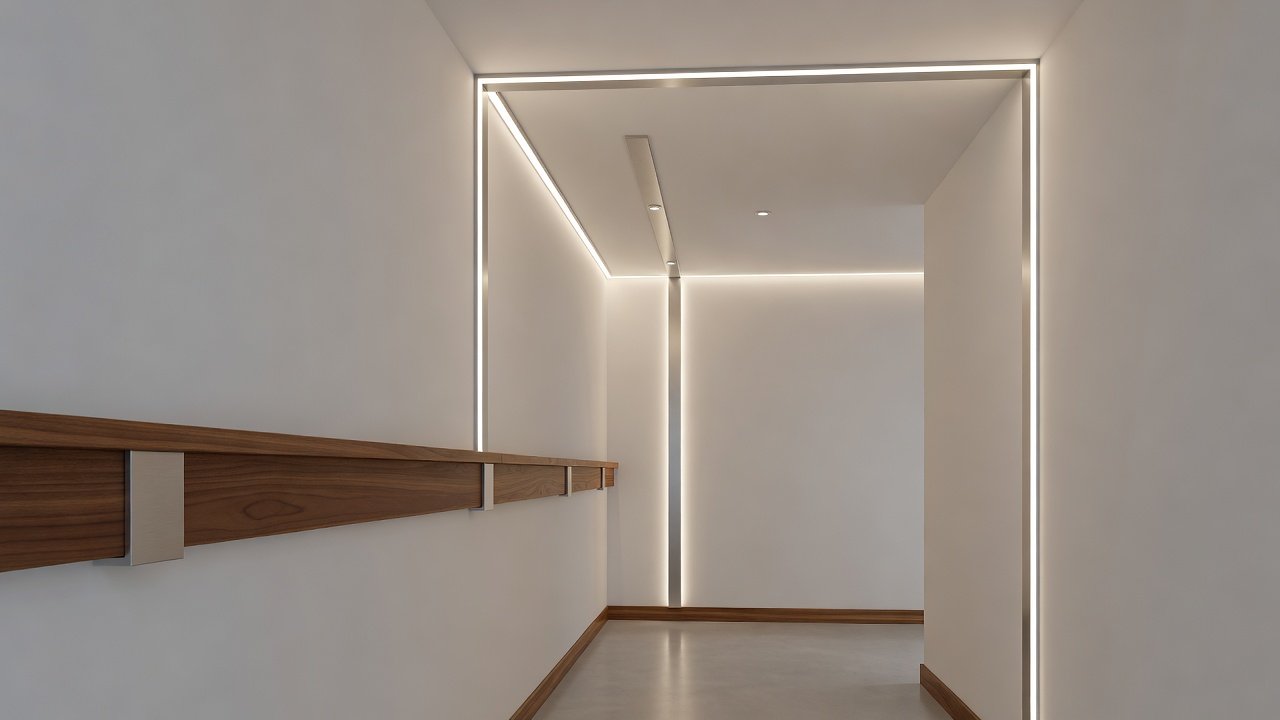
Health-Monitoring Integrations for Ongoing Wellness
Smart health devices like fall detectors, medication reminders, and environmental sensors connect to central hubs for real-time alerts. These promote proactive care while fitting discreetly into sleek home interiors. Examples include wearable pendants that detect falls and notify emergency contacts, or air quality monitors that adjust ventilation automatically.
Integration steps include pairing wearables with hubs and setting notification preferences for family members. Bathroom setups with humidity and temperature monitoring help prevent mold, enhancing both health and modern minimalism. Additional integrations might involve smart scales or blood pressure cuffs that log data privately and share summaries with healthcare providers when authorized. This layer of monitoring supports aging-in-place goals common in accessible renovations.
Explore aging-in-place resources from the National Institute on Aging.
Blending Technology with Contemporary Aesthetics
Successful renovations hide tech behind elegant facades, using recessed sensors and voice-only interfaces. Choose neutral-colored devices that complement minimalist palettes and open floor plans common in modern homes. Conceal wiring in walls or use wireless alternatives to preserve clean surfaces.
Practical Comparisons and Decision Tips
- Voice systems: Alexa for broad compatibility versus Siri for Apple users seeking privacy focus.
- Entry options: Smart locks with cameras for security-focused homes versus keypad-only for simpler setups.
- Lighting: Battery-powered for easy retrofits in rentals or quick updates versus hardwired for permanent installations.
- Health monitors: Standalone devices versus fully integrated hubs that connect multiple sensors.
Avoid common mistakes like poor Wi-Fi coverage by testing signals before installation and ensuring backup power options for critical systems.
Step-by-Step Setup for a Sample Project
1. Assess needs with an accessibility audit focusing on high-traffic areas. 2. Select interoperable devices using Matter protocol for future-proofing. 3. Install hubs centrally and test routines across rooms. 4. Customize aesthetics with hidden wiring and matching finishes. 5. Maintain with regular firmware updates and seasonal battery checks. 6. Train household members on voice commands and emergency overrides.
Real-World Examples of Inclusive Renovations
Consider a modern single-story home where voice controls manage the entire lighting and climate system, paired with automated sliding doors at the main entrance. Another example involves a family updating a bathroom with motion-sensor lights and a connected scale that tracks wellness metrics discreetly. These projects demonstrate how technology enhances both independence and visual appeal without dominating the design.
Frequently Asked Questions
What are typical costs involved?
Investments vary by scope but focus on quality components that deliver long-term value rather than specific pricing, which fluctuates with market conditions and project scale.
How do devices ensure compatibility during renovations?
Prioritize open-standard protocols like Zigbee or Z-Wave for future flexibility across brands and easy expansion as needs change.
What maintenance is required?
Regular software updates and battery checks keep systems reliable with minimal effort, typically requiring only quarterly reviews.
Conclusion
Smart home upgrades transform modern renovations into inclusive, independent living spaces. By thoughtfully combining voice controls, automated entries, sensor lighting, and health tools, homeowners create stylish environments that adapt to changing needs. Start small with one system and expand for maximum impact and lasting accessibility benefits that support all household members over time.
No comments yet. Be the first!