 Fixated on Home
Introduction to Climate-Resilient Smart Homes in 2026
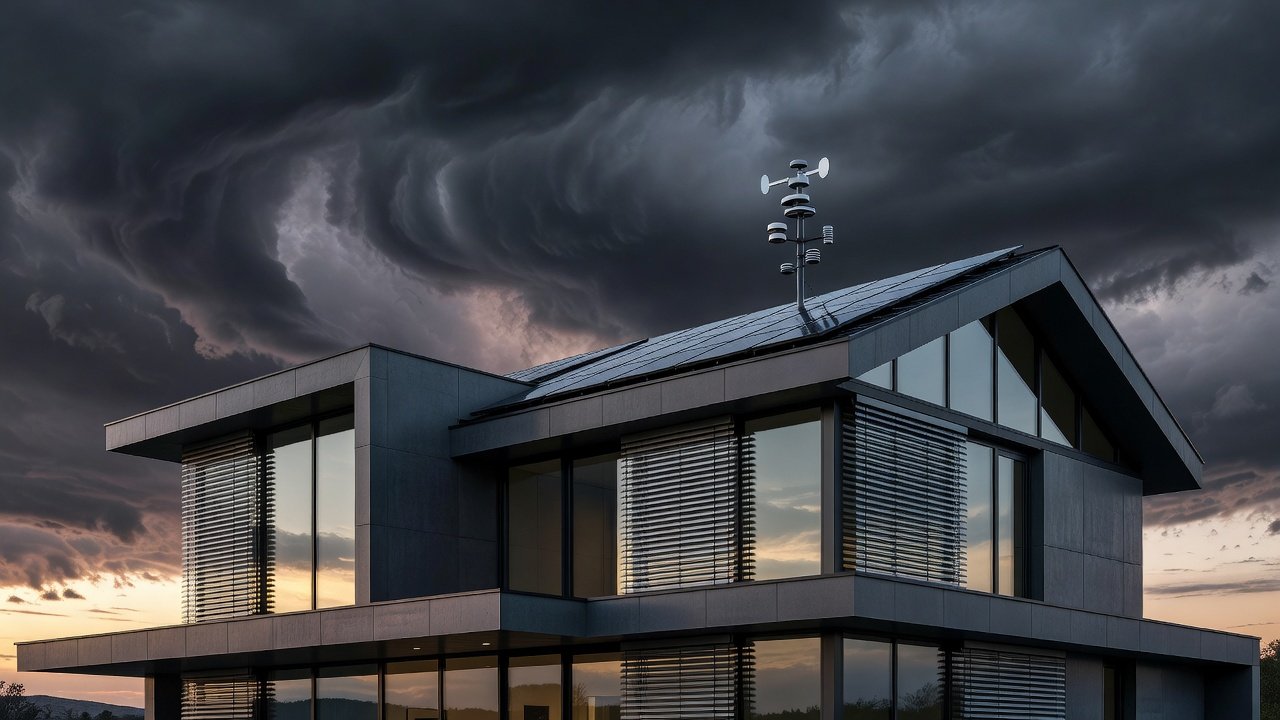
As climate patterns continue to evolve with increasing frequency of extreme weather events, homeowners across diverse regions are prioritizing upgrades that safeguard their properties against floods, heatwaves, storms, and power outages. These smart home technologies not only enhance resilience but also integrate seamlessly with energy-efficient systems and contemporary architectural aesthetics. This comprehensive guide delves into key innovations such as intelligent weather monitoring, automated protective barriers, dynamic climate control, and renewable energy storage. By focusing on practical implementation and real-world applications, readers can make informed decisions that combine durability with modern living standards.
Smart Weather Sensors for Proactive Protection
Advanced weather sensors form the foundation of any climate-resilient smart home by continuously monitoring environmental variables including temperature fluctuations, humidity levels, wind speeds, barometric pressure, and precipitation rates. When connected to central automation hubs, these devices can automatically initiate responses such as deploying window shutters, adjusting irrigation systems, or sending immediate mobile notifications to homeowners. Popular options include multi-sensor arrays from manufacturers like Netatmo, which offer high accuracy and broad compatibility with platforms such as Apple HomeKit and Samsung SmartThings. In practice, placing sensors at multiple exterior points allows for hyper-local data collection that outperforms generic weather apps. For instance, a sensor detecting sudden wind gusts above 40 mph can trigger garage door closures or alert security systems to potential debris risks. This proactive approach minimizes damage during unpredictable events like microbursts or rapid temperature drops.
Automated Flood Barriers and Water Management
Automated flood barriers represent a critical advancement for properties in low-lying or coastal areas, utilizing water-level sensors and motorized mechanisms to erect temporary walls or seal entry points within seconds of detection. These systems often incorporate smart sump pumps and drainage valves that redirect excess water away from foundations. Integration with home networks enables remote monitoring via smartphone apps, providing peace of mind during heavy rainfall seasons. Homeowners typically start with a site evaluation to identify vulnerable zones, followed by installation of threshold barriers at doors and windows. Real benefits include reduced insurance premiums in some regions and preserved structural integrity. Comparisons reveal that modular systems allow for easier retrofits compared to permanent concrete solutions, while maintaining aesthetic appeal through discreet designs that blend with modern facades.
Adaptive HVAC Zoning for Energy Efficiency
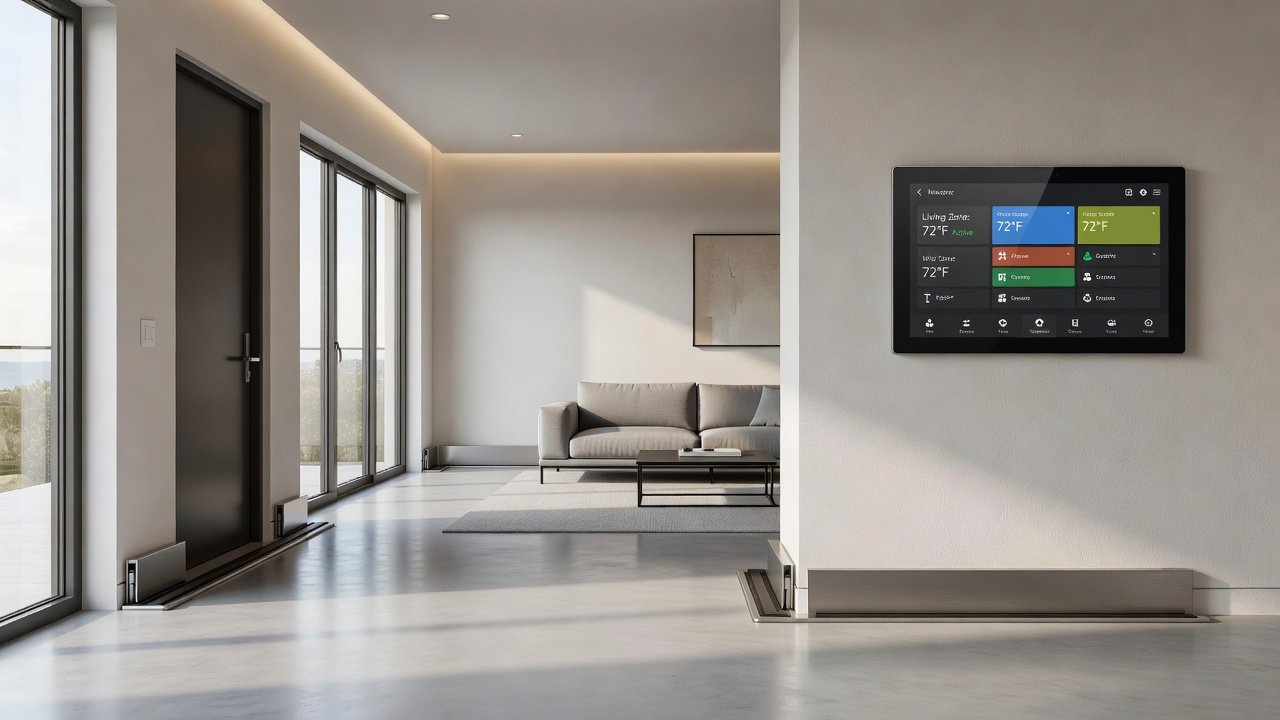
Adaptive HVAC zoning divides a residence into independent climate-controlled areas, each equipped with dedicated thermostats and dampers that respond dynamically to occupancy patterns and external weather data. This setup prevents energy waste in unused spaces during extreme heat or cold spells, leading to more consistent indoor comfort. When linked with weather sensors, the system can pre-cool rooms ahead of forecasted heatwaves or optimize ventilation during high-pollution days. Leading platforms emphasize user-friendly apps for custom scheduling and voice control. In comparisons, systems with machine learning capabilities learn household routines faster, resulting in superior long-term performance. Practical examples show zoned setups excelling in multi-story modern homes where upper levels heat differently than basements. Installation considerations include assessing ductwork compatibility and ensuring seamless integration with existing smart thermostats.
Solar Integration with Battery Backups
Combining photovoltaic solar arrays with high-capacity battery storage systems delivers reliable off-grid power during weather-induced outages, while supporting daily energy efficiency goals. These setups capture sunlight for immediate use or storage, reducing reliance on the electrical grid amid rising storm frequency. Aesthetic options for modern homes include integrated roof tiles or facade-mounted panels that complement minimalist designs without visual disruption. Learn more about solar incentives from the U.S. Department of Energy. Battery technologies from providers like Tesla Powerwall and Enphase offer scalable capacities suited to varying household demands. During 2026 projects, many installations pair these with smart inverters that automatically switch modes based on weather forecasts, ensuring critical systems like refrigeration and medical equipment remain operational.
Phased Installation Steps for Homeowners
A structured phased approach minimizes disruption and allows for budget flexibility. Phase one involves a detailed property vulnerability assessment by certified professionals, identifying priorities such as sensor placement and weak entry points. Phase two focuses on deploying weather sensors and basic automation hubs, testing connectivity across the home network. Phase three incorporates automated barriers and HVAC zoning modifications, including any necessary electrical or plumbing adjustments. Phase four completes the project with solar panel mounting and battery integration, followed by full system commissioning and user training. Throughout each phase, verify compatibility with existing ecosystems like Google Home or Amazon Alexa to avoid future interoperability issues. Documenting progress with photos and professional reports aids in warranty claims and future maintenance planning.
Real-World Case Examples from 2026 Projects
In a 2026 coastal renovation in California, homeowners installed a network of weather sensors alongside automated flood barriers, successfully withstanding multiple atmospheric river events with no interior water intrusion. The system logged over 50 activation events in its first year, demonstrating reliability. Another Midwest case study featured adaptive HVAC zoning paired with solar battery backups in a suburban residence; during a prolonged summer blackout caused by storms, the home maintained comfortable temperatures and powered essential appliances for 72 hours. A third example from Florida involved retrofitting a contemporary villa with integrated solar and sensor systems, achieving enhanced resilience during hurricane season while preserving the property's sleek design aesthetic. These cases underscore the scalability of solutions across different climates and home styles.
Comparisons of Leading Smart Systems
- Weather sensors: Netatmo stands out for its modular expandability and multi-platform support, while Ambient Weather prioritizes granular data logging and API access for advanced users.
- Flood barriers: Aquobex modular units excel in quick deployment for existing homes, contrasting with more permanent solutions from specialized engineering firms.
- HVAC zoning: Ecobee provides superior room sensor accuracy and energy reporting, whereas Nest emphasizes intuitive learning algorithms and broad third-party integrations.
- Solar and storage: Enphase microinverter setups perform better in shaded conditions compared to string inverter alternatives from other brands.
Mistakes to Avoid During Implementation
Common pitfalls include overlooking local building codes, which can delay permits, or selecting incompatible components that require costly replacements later. Homeowners should also avoid underestimating maintenance needs, such as seasonal sensor cleaning. Prioritizing professional installation over DIY for complex elements like electrical integrations prevents safety hazards. Finally, failing to test the full system end-to-end after each phase may leave vulnerabilities unaddressed.
FAQ Section
What are typical costs for these upgrades?
Expenses depend on home size, location, and chosen features, with phased rollouts enabling manageable investments spread over multiple seasons rather than requiring large upfront commitments.
How compatible are these with existing modern upgrades?
Most contemporary systems utilize open standards such as Zigbee, Z-Wave, and Matter protocols, facilitating smooth connections with prior smart lighting, security cameras, and voice assistants already present in many renovated homes.
What maintenance is required?
Owners should perform periodic sensor calibration, inspect battery health on backup units quarterly, and schedule annual professional system audits to ensure continued optimal function. Refer to NOAA resources for weather-related maintenance guidance.
Conclusion
Adopting these smart home upgrades in 2026 equips modern residences with robust defenses against climate challenges while promoting sustainability and visual harmony. Through careful planning, phased execution, and selection of proven technologies, homeowners achieve enhanced protection and long-term value. Explore EPA guidelines on climate adaptation for additional context. Consult FEMA preparedness resources for comprehensive resilience strategies.

No comments yet. Be the first!