 Fixated on Home
Introduction to Smart Home Upgrades for Multi-Generational Households
Multi-generational living continues to grow in popularity as families seek ways to combine resources, provide mutual support, and navigate economic pressures together under one roof. In 2026, smart home technology plays a pivotal role in making these living arrangements more functional, secure, and comfortable for everyone from young children to aging grandparents. The focus remains on upgrades that prioritize accessibility, safety, and shared efficiency while preserving the home's aesthetic appeal during modern renovations. These solutions integrate seamlessly with existing interiors, avoiding the disruption of bulky hardware or clashing designs. Families are increasingly searching for tech that supports diverse age-related needs, such as mobility assistance for seniors and controlled environments for kids, all while promoting energy savings and ease of use across the household.
Effective smart home planning starts with understanding the unique dynamics of multi-generational spaces. Renovations often involve reconfiguring layouts to include private suites for elders alongside open family areas for interaction. Technology acts as the glue, connecting these zones through centralized controls that adapt in real time. This guide delves deeply into key upgrades including biometric entry systems, adaptive environmental controls, voice monitoring tools, and entertainment hubs designed with all ages in mind. Practical examples, ecosystem comparisons, and installation insights ensure readers can apply these concepts confidently.
Smart Entry Systems with Biometric Access
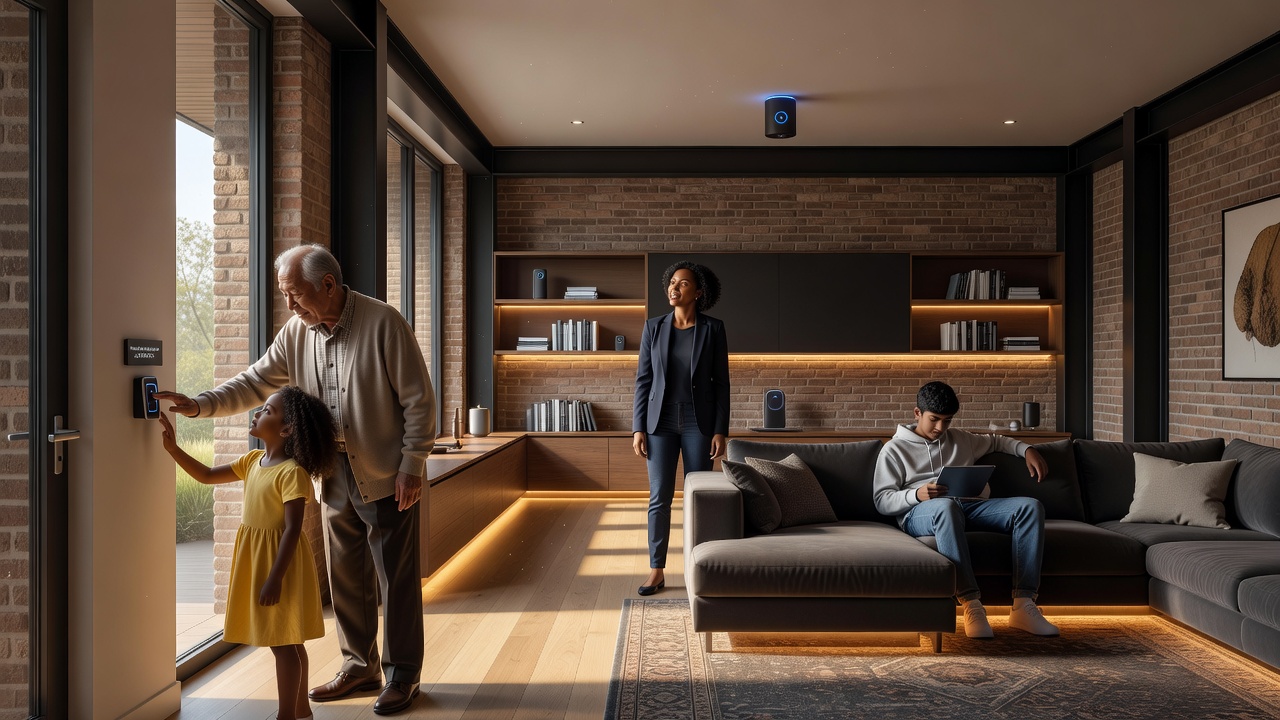
Entry points represent the first line of defense and convenience in any multi-generational home. Biometric access systems utilizing fingerprints, facial recognition, or even palm vein scanning eliminate the need for physical keys that can be lost or duplicated. These systems create detailed access logs that family members can review through smartphone apps, offering visibility into who enters or exits at specific times. For households with teenagers and elderly relatives, this provides reassurance without constant supervision.
Installation begins with evaluating door frames and wiring pathways to ensure compatibility with existing structures. Professional electricians typically handle the integration with a central smart hub, allowing for temporary guest passes or caregiver schedules. Real-world benefits include reduced anxiety during late-night returns and simplified management when multiple generations come and go independently. Advanced models also incorporate video doorbells that send instant notifications with live feeds, enhancing overall household security during renovations that might leave entry points temporarily exposed.
Adaptive Lighting and Climate Controls for All Ages
Lighting and climate systems in 2026 smart homes can be finely tuned to accommodate the varying physiological needs of different age groups. Seniors often require brighter, motion-triggered illumination in hallways and bathrooms to minimize fall risks, while parents might program softer, circadian-rhythm-aligned lights in nurseries to support children's sleep cycles. Climate controls extend this personalization through multi-zone HVAC setups that maintain distinct temperatures across floors or rooms, addressing conditions like arthritis or respiratory sensitivities common in older adults.
Sensors embedded throughout the home detect occupancy patterns and automatically adjust settings to conserve resources. For instance, lights dim in unoccupied areas while maintaining optimal warmth in living spaces where family gatherings occur. During renovations, these systems integrate with existing ductwork and electrical panels for minimal visual impact, using sleek wall panels and app-based overrides. Families benefit from reduced utility strain and a consistently comfortable environment that evolves with seasonal changes or individual health requirements.
Voice-Activated Monitoring for Elderly Care
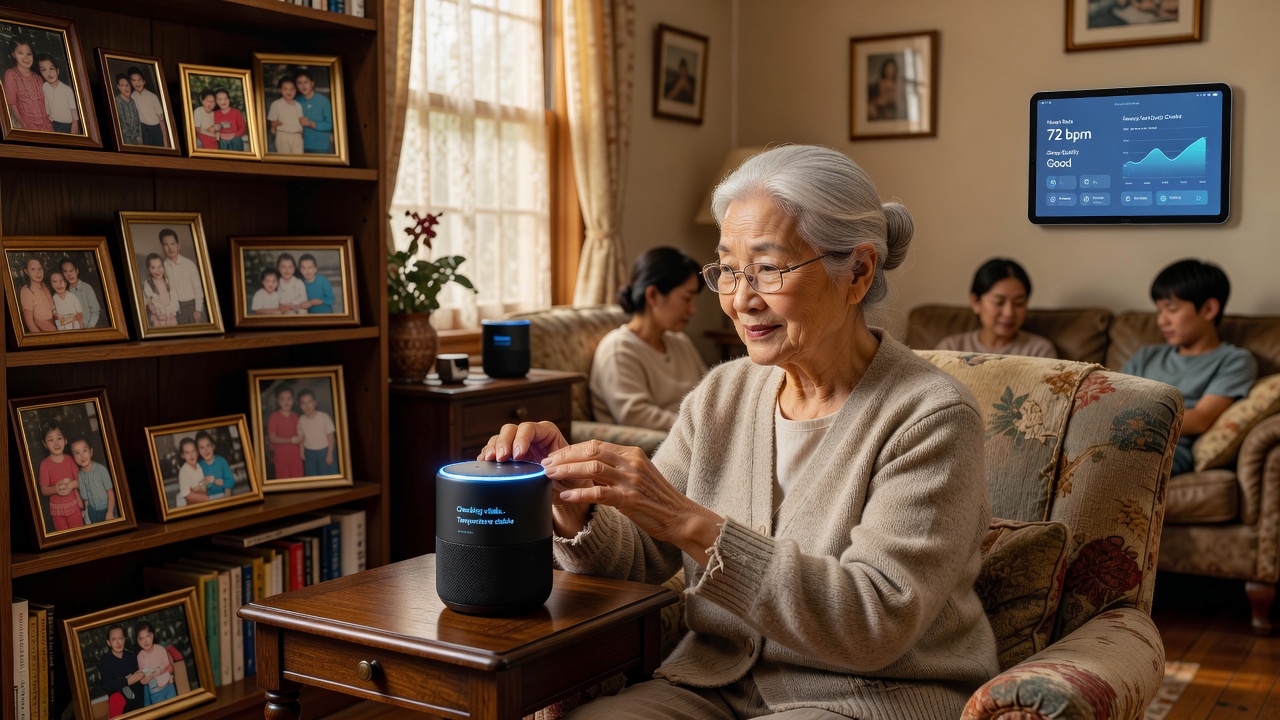
Voice-activated devices serve as discreet yet powerful tools for supporting elderly family members who wish to maintain independence. These systems listen for keywords indicating distress, such as calls for help or unusual sounds associated with falls, then relay alerts to designated caregivers via mobile notifications. Medication reminders and appointment scheduling further integrate into daily routines, reducing the cognitive load on seniors managing chronic conditions.
Privacy remains a core consideration, with many platforms offering local processing options that limit data transmission to the cloud unless an emergency triggers escalation. Strategic placement in kitchens, bedrooms, and bathrooms maximizes coverage while respecting personal spaces. Integration with wearable health trackers adds another layer, allowing real-time vital sign monitoring shared securely among family members. This approach fosters aging in place, complementing professional care without replacing human interaction.
Kid-Friendly Entertainment Hubs
Shared family zones thrive when equipped with smart entertainment systems tailored for younger users. Centralized hubs featuring voice-controlled speakers and displays enable access to age-appropriate content libraries, interactive educational games, and collaborative music experiences. Parental controls allow scheduling limits and content filters that adapt as children grow, ensuring safe engagement without constant oversight.
These setups encourage multi-generational bonding through shared movie nights or storytelling sessions where grandparents can participate using simple voice commands. During renovations, designers incorporate hidden wiring and recessed speakers to maintain clean aesthetics. The result is a versatile space that entertains while teaching digital responsibility, bridging generational gaps through technology that feels inclusive rather than overwhelming.
Comparing Google Home and Alexa Ecosystems
Selecting the right smart ecosystem requires weighing family-specific priorities against platform strengths. Google Home stands out for its seamless search capabilities and robust multi-user profile management, making it ideal for coordinating family calendars, school schedules, and medical appointments across generations. In contrast, Alexa offers extensive third-party integrations and superior sound quality suited for music-focused households.
Both platforms support Matter standards for broad device compatibility, minimizing future obsolescence. A detailed comparison might include testing interoperability with locks, lights, and cameras in a pilot room before committing. Households with heavy Google service usage often lean toward that ecosystem, while those invested in Amazon shopping and audio devices find Alexa more intuitive. Hybrid approaches using both are possible but demand careful network configuration to avoid conflicts.
Step-by-Step Planning for Smart Renovations
- Conduct a comprehensive household survey involving input from every generation to identify priorities such as mobility aids or entertainment preferences.
- Evaluate current infrastructure including Wi-Fi coverage, electrical capacity, and potential wiring routes for new devices.
- Research and shortlist Matter-certified products that align with chosen ecosystems while allowing future expansion.
- Implement a phased rollout beginning with high-impact areas like entryways and safety zones before expanding to entertainment features.
- Engage certified installers for complex integrations and provide hands-on training sessions for all residents to ensure confident daily use.
- Establish ongoing maintenance protocols including software updates and periodic system audits to address evolving family needs.
Real-World Case Studies
One suburban three-generation household incorporated biometric entry combined with zoned climate controls during a full-home renovation, resulting in streamlined daily routines and fewer conflicts over temperature preferences. The system logged over a year of seamless operation with minimal adjustments. In an urban setting, another family deployed voice monitoring alongside adaptive lighting to assist a grandparent post-surgery, enabling quicker family responses and supporting recovery at home rather than in assisted facilities.
A third example involved a blended family adding kid-centric entertainment hubs with strict controls, which successfully balanced screen time across age groups while fostering shared activities that strengthened relationships. These cases highlight how thoughtful implementation yields measurable improvements in safety, comfort, and family cohesion.
FAQ on Installation Challenges and Solutions
- How do I handle Wi-Fi dead zones in larger homes? Mesh network systems extend reliable coverage, ensuring all smart devices maintain consistent connectivity without interruptions during peak usage.
- What steps ensure aesthetic integration during renovations? Opt for devices with customizable finishes and recessed mounting options that blend into walls, trim, and cabinetry for a polished appearance.
- How can compatibility issues between brands be avoided? Prioritize products certified under the Matter standard to guarantee seamless operation across ecosystems now and in future updates.
- What common pitfalls arise with voice monitoring privacy? Review default settings thoroughly and enable local data processing features to limit unnecessary cloud sharing while maintaining emergency responsiveness.
- How do families manage long-term system maintenance? Schedule quarterly reviews of software updates and device performance, involving all household members to build collective ownership of the technology.
Conclusion
Smart home upgrades in 2026 provide transformative potential for multi-generational households by addressing accessibility, safety, and efficiency through thoughtful technology integration. Starting with core systems like entry controls and environmental adaptations allows families to build upon a solid foundation that grows with their needs. By incorporating practical planning, ecosystem evaluations, and real-world insights, renovations can deliver lasting value that enhances daily life for every generation sharing the home.

No comments yet. Be the first!