 Fixated on Home
Introduction to Voice-Controlled Furniture
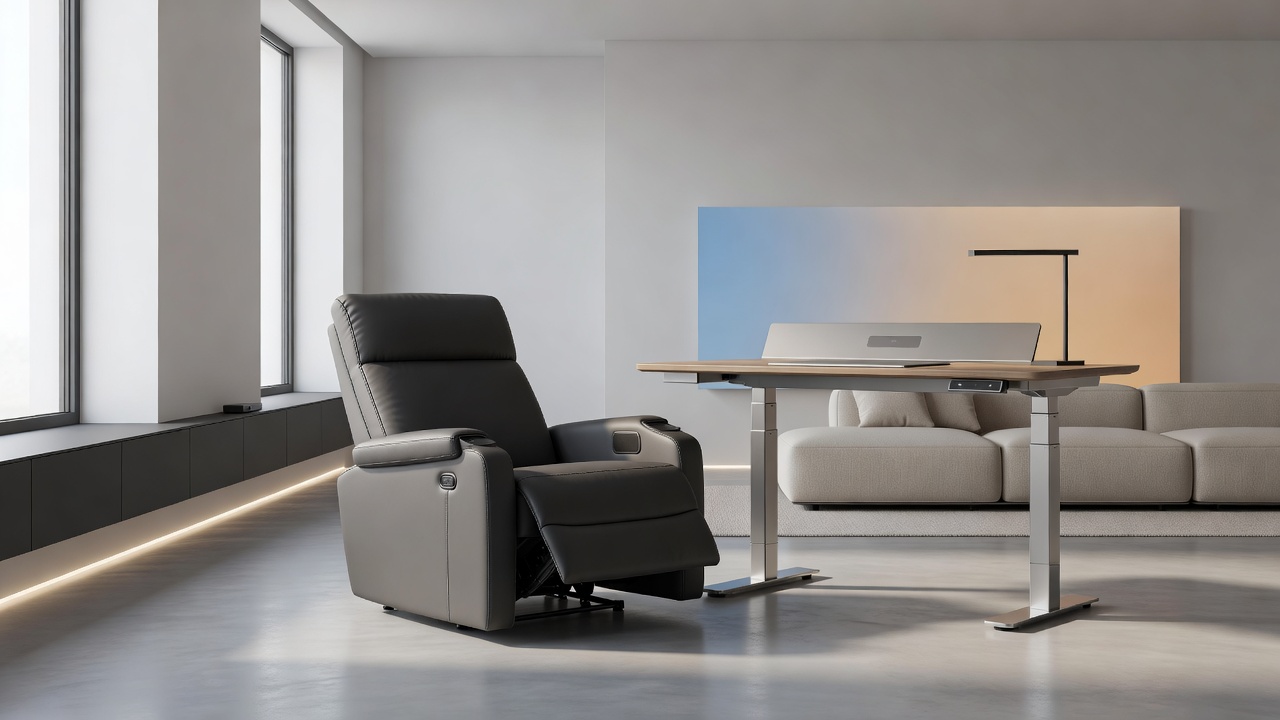
Voice-controlled furniture marks a transformative shift in contemporary home design, empowering homeowners to make precise adjustments to essential pieces such as height-adjustable desks and powered recliners through simple spoken commands. This technology integrates seamlessly into renovation projects, delivering hands-free convenience while preserving the clean lines and aesthetic appeal of modern interiors. By embedding voice activation into furniture, residents gain enhanced accessibility, reduced physical strain, and streamlined daily workflows without requiring major electrical overhauls or visible wiring.
Homeowners increasingly seek these solutions to create unified smart environments that respond intuitively to their needs. Whether transforming a compact apartment office or refreshing a family living space, voice-enabled furniture elevates both practicality and visual harmony. The following sections provide detailed guidance on selection, installation across various rooms, brand comparisons, real project insights, and strategies for resolving typical issues.
Selecting Compatible Voice-Activated Devices
Choosing the right voice-activated furniture begins with a thorough assessment of your current smart home infrastructure. Compatibility with major platforms including Amazon Alexa, Google Assistant, and Apple HomeKit ensures reliable performance and future expandability. Opt for pieces that include native voice modules or support aftermarket adapters that leverage stable Wi-Fi or Bluetooth connections for consistent responsiveness.
Evaluate critical specifications such as motor torque for effortless movement, noise levels during operation, and the availability of programmable memory settings that recall preferred positions instantly. Additional considerations include integration with multi-room audio systems and support for routines that automate adjustments based on time of day or occupancy sensors. Always verify third-party certifications for safety and electromagnetic compatibility to prevent interference with other household electronics.
- Review app ecosystems for remote monitoring and firmware updates that enhance features over time.
- Confirm weight limits and adjustment ranges align with household usage patterns and user ergonomics.
- Assess energy consumption profiles to support sustainable living goals and minimize environmental impact.
- Examine material finishes and color options to ensure seamless blending with existing decor schemes.
Installation Steps for Different Room Types
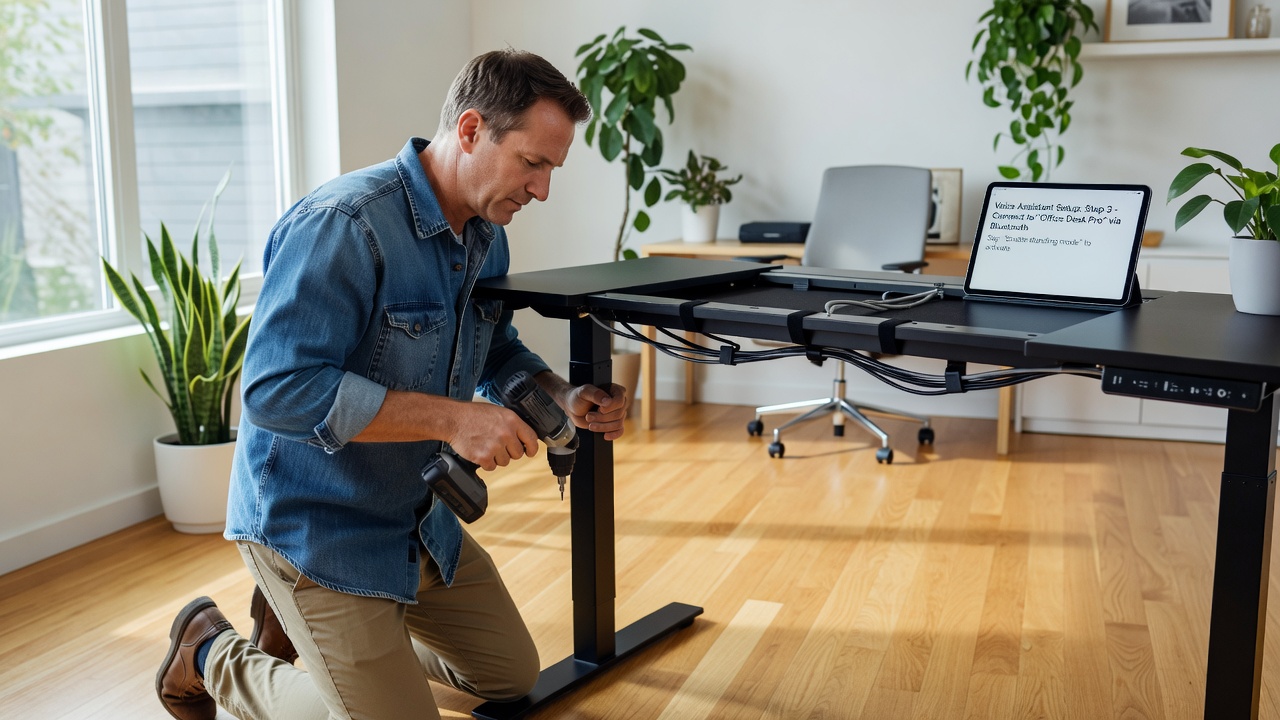
Successful installation of voice-controlled furniture follows a methodical sequence: identify reliable power access, position units for optimal voice recognition, establish network connectivity, and conduct comprehensive command testing. Each room type demands tailored approaches to maximize effectiveness and maintain design integrity.
In home offices, position adjustable desks adjacent to grounded outlets while routing cables discreetly along baseboards or through grommets. Pair the furniture with ceiling-mounted or wall-placed smart speakers for clear voice pickup even during active work sessions. Living room installations benefit from recliners angled toward primary seating areas, with control hubs placed to avoid fabric interference and direct sunlight that could degrade sensors.
Bedroom applications often involve lift beds or nightstands, installed away from windows and HVAC vents to reduce acoustic disruptions. Throughout all spaces, label connections clearly and create backup manual override procedures. Professional electricians should handle any hardwired integrations to comply with local building codes and ensure long-term reliability.
Comparing Popular Brands and Models
Leading manufacturers differentiate themselves through specialized integrations and build quality. Uplift Desk systems excel in robust Alexa compatibility and extensive customization, while La-Z-Boy recliners deliver refined motion control optimized for Google Assistant ecosystems. IKEA continues to innovate with affordable voice-enabled lighting and seating solutions that lower entry barriers for budget-conscious renovators.
When comparing options, analyze warranty durations, frequency of software updates, and aggregated user feedback regarding long-term durability. Advanced features such as multi-user voice profiles and adaptive learning algorithms further distinguish premium models. Cross-reference independent testing data from authoritative sources before finalizing selections to align performance expectations with real-world conditions.
Real-World Examples from Recent Renovations
Recent urban apartment renovations demonstrate the versatility of voice furniture in constrained footprints. One project integrated a voice-adjustable desk into a multifunctional workspace, allowing residents to transition effortlessly between seated and standing postures during extended remote work periods while preserving floor space for additional storage solutions. Suburban family homes have incorporated voice recliners into open-concept living areas, resulting in improved relaxation zones that respond to evening wind-down commands without interrupting conversations or media viewing.
Another notable example involved a multi-generational residence where voice-lift beds and side tables were added during a phased bedroom refresh, enhancing accessibility for older adults and reducing nighttime disturbances. These case studies illustrate how thoughtful placement and ecosystem alignment amplify renovation outcomes, often completing within tight timelines when leveraging wireless, plug-and-play configurations.
Overcoming Common Challenges Like Connectivity Issues
Connectivity disruptions frequently arise from signal attenuation in larger homes or competing wireless traffic. Solutions include deploying mesh networking systems and positioning routers centrally to maintain strong coverage throughout installation zones. Firmware maintenance through scheduled updates prevents compatibility drift and introduces performance enhancements.
Electromagnetic interference from nearby appliances can be mitigated by dedicating frequency channels or relocating devices slightly. Establishing redundant control methods, including physical buttons and companion mobile applications, provides essential fallback options during outages. Regular testing protocols after setup help identify and resolve latent issues before they affect daily use.
Frequently Asked Questions
How do I ensure voice furniture blends with my existing decor?
Select models featuring modular designs and versatile upholstery options in neutral tones that harmonize with contemporary palettes. Many manufacturers provide finish samples to preview integration before purchase.
What maintenance is required for voice-controlled pieces?
Implement regular surface cleaning, verify connection stability monthly, and lubricate mechanical components according to manufacturer schedules. Store spare power supplies for uninterrupted operation during outages.
Can these upgrades work in rental properties?
Focus on freestanding, wireless models that require no permanent modifications, allowing easy removal at lease end while retaining full functionality during tenancy.
Are voice commands secure from unauthorized access?
Enable voice recognition profiles and two-factor authentication where available. Position devices away from exterior windows to limit external command interception risks.
Conclusion
Voice-controlled furniture delivers sophisticated, practical enhancements that merge advanced technology with refined interior aesthetics. Through informed device selection, precise room-specific installation, and proactive management of connectivity concerns, homeowners achieve durable smart home transformations that elevate everyday living. Begin exploring compatible options via established platforms such as Amazon, Apple, and Consumer Reports to initiate your personalized upgrade journey.

No comments yet. Be the first!