 Fixated on Home
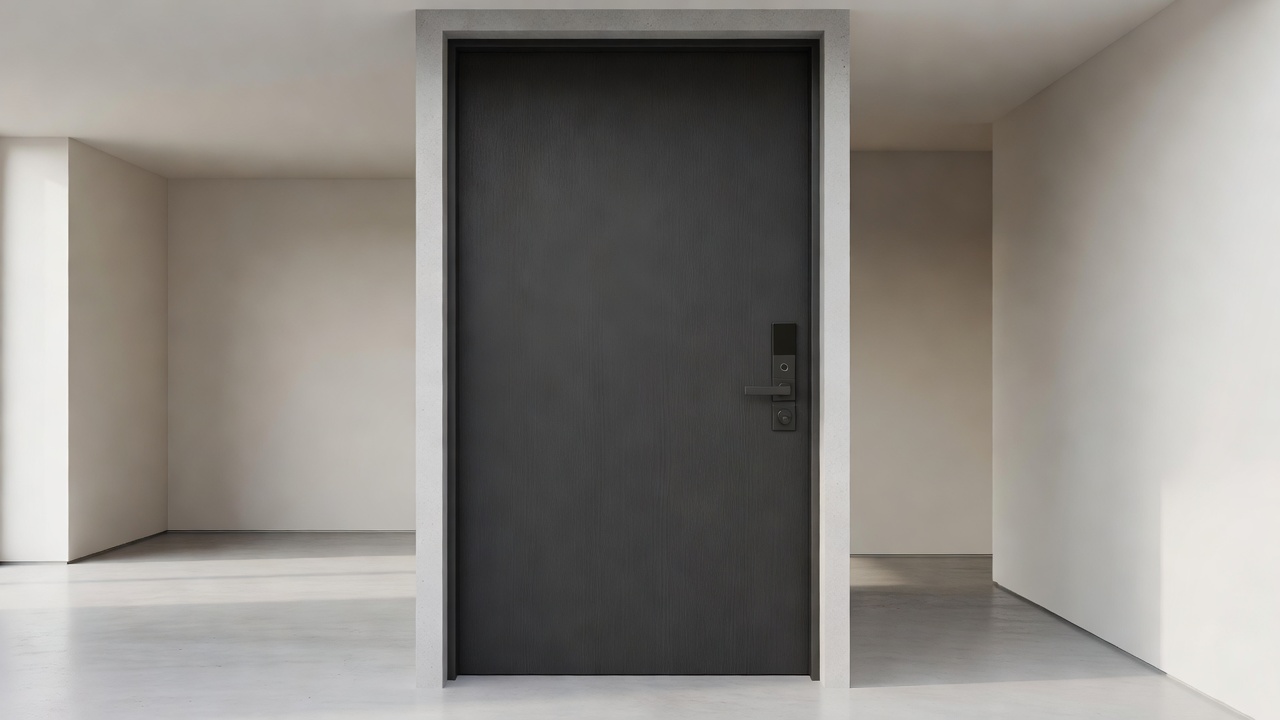
Introduction: Blending Security and Style in 2026 Renovations
Homeowners planning renovations in 2026 are increasingly seeking ways to upgrade security while preserving the clean lines and minimalist appeal of contemporary design. Smart lock integration offers an accessible entry point, allowing retrofits that enhance both safety and visual harmony without extensive construction. This guide explores practical steps, model comparisons, compatibility considerations, and real-world applications tailored to modern and minimalist styles. By focusing on these elements, homeowners can achieve a seamless upgrade that aligns with broader smart home goals while addressing common pain points like unauthorized access and outdated hardware.
Why Smart Locks Suit Modern Home Designs in 2026
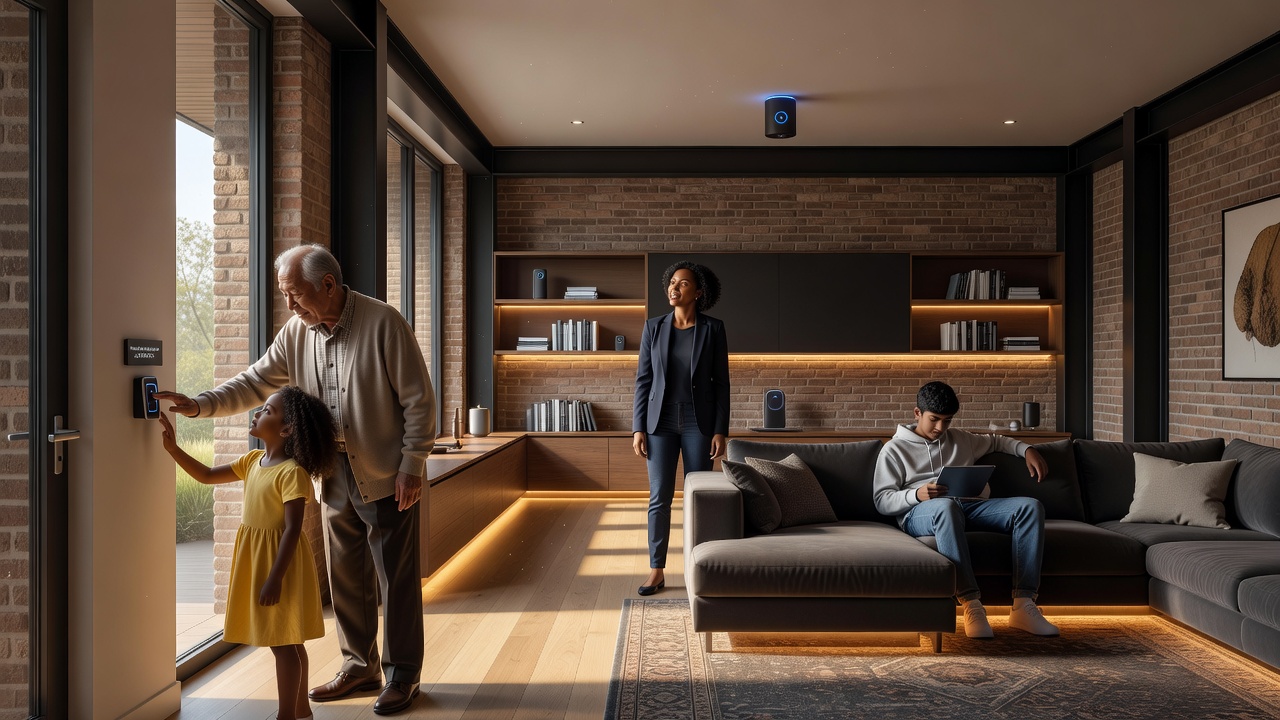
Modern home aesthetics emphasize simplicity, functionality, and technology integration. Smart locks fit perfectly into this framework by replacing traditional mechanical systems with electronic solutions that require no visible wiring or bulky additions. They support key trends such as touchless entry and remote monitoring, which appeal to busy professionals and families prioritizing convenience. In renovation projects, these devices serve as a foundational upgrade that can later connect to lighting, thermostats, and security cameras for a cohesive ecosystem. Their low-impact installation means they preserve architectural details like custom door frames or unique finishes common in contemporary builds.
Comparing Popular Smart Lock Models for Modern Homes
When selecting a smart lock, focus on models that prioritize slim profiles, matte finishes, and app-based controls to complement modern aesthetics. Key factors include biometric options, keyless entry, and integration with existing ecosystems like voice assistants. Look for devices with weather-resistant builds suitable for exterior doors and those offering customizable finishes to match door hardware. Popular choices often feature touchscreens or fingerprint scanners that blend seamlessly into sleek door surfaces. Consider battery efficiency and backup access methods for reliability. Real-world testing shows these locks provide robust encryption while maintaining a low visual footprint. For instance, models with built-in Wi-Fi offer direct connectivity without needing a separate hub, while Bluetooth-only versions prioritize energy savings and work well in homes with multiple entry points. Comparing features side-by-side helps identify options that balance security certifications with design versatility, ensuring the chosen lock enhances rather than disrupts the overall interior scheme.
Step-by-Step Retrofitting Process
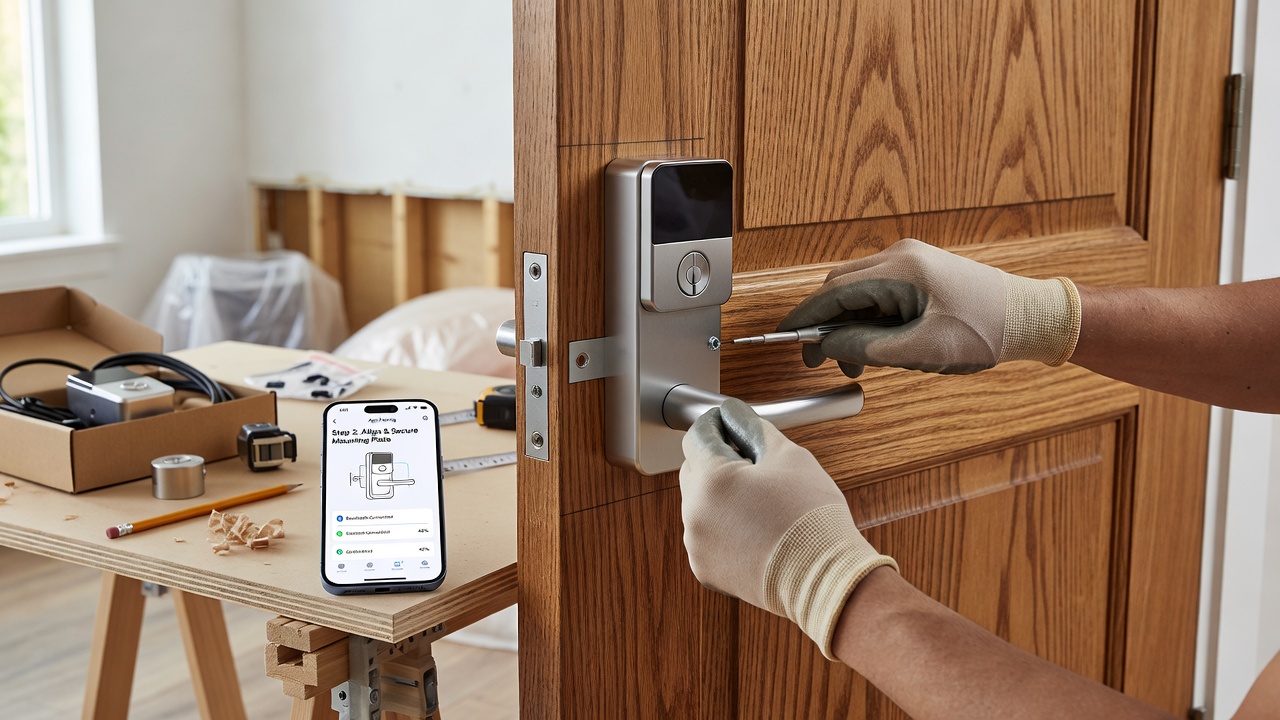
Retrofitting a smart lock typically requires minimal tools and can be completed in under an hour per door. Begin by assessing your current deadbolt and handle setup. Remove the existing hardware carefully to avoid damaging the door surface. Measure the door thickness and confirm the backset distance to select compatible components. Next, align the new lock's mounting plate with pre-drilled holes or use provided templates for precise placement. Install the interior and exterior components, ensuring the latch aligns perfectly with the strike plate. Connect any required batteries and verify the mechanism operates smoothly before securing everything in place. Finally, pair the device with your smartphone app and test all functions, including remote access and auto-locking features. Throughout the process, work in a well-lit area and keep track of small parts to prevent loss. This methodical approach minimizes errors and ensures long-term performance in high-traffic areas like front entrances.
Compatibility with Existing Door Hardware
Most smart locks are designed for standard residential doors with backsets between 2-3/8 and 2-3/4 inches. They often work with both deadbolts and handles, though some minimalist doors may require adapter kits for flush mounting. Always verify bore hole sizes and door thickness before purchase to ensure a seamless fit. For doors with unique hardware, such as European-style levers or concealed hinges, opt for modular smart lock systems that allow partial replacements rather than full swaps. This approach preserves the original aesthetic while adding smart functionality. In cases involving older homes or custom renovations, consulting manufacturer compatibility charts prevents mismatches. Additionally, consider how the lock interacts with existing alarm systems or intercoms, as some models include integration protocols that allow unified control without rewiring. Testing compatibility on a single door before committing to multiple installations saves time and resources during larger renovation projects.
Real-World Examples Across Contemporary and Minimalist Styles
In a contemporary urban loft, a matte black smart lock with integrated fingerprint access complements industrial metal doors, providing keyless entry that aligns with the space's edgy yet refined vibe. Homeowners report improved peace of mind during frequent travel. Minimalist Scandinavian-inspired homes benefit from slim, brushed nickel models that disappear against light wood doors. These installations often pair with hidden wiring for additional sensors, creating a unified smart home experience without visual clutter. Another example involves a mid-century modern residence where a touchscreen smart lock was chosen to match existing chrome accents, enabling scheduled access for service providers while maintaining the home's clean geometric lines. Across these cases, the common thread is selecting finishes and form factors that echo the surrounding architecture, turning a functional upgrade into a design statement.
Installation Checklist for DIY Success
- Measure door thickness and backset accurately before ordering.
- Confirm compatibility with your Wi-Fi network and preferred apps.
- Gather tools including a screwdriver, drill, and level.
- Test the lock manually before final app setup.
- Review manufacturer instructions for firmware updates.
- Schedule a professional if dealing with non-standard doors.
- Ensure adequate lighting and organize all components on a clean workspace.
- Verify local building codes regarding smart device installations if applicable.
Addressing Common Concerns: Battery Life and App Integration
FAQ
How long do smart lock batteries typically last? Most models provide 6-12 months of use on standard AA or lithium batteries, depending on usage frequency and features like auto-locking. Regular monitoring through the app helps anticipate replacements.
Can smart locks integrate with multiple apps and voice assistants? Yes, leading options support Alexa, Google Home, and Apple HomeKit, allowing centralized control through a single dashboard.
What if the battery dies or Wi-Fi fails? Backup physical keys or keypads ensure access, and many models include low-battery alerts via the app.
Are these suitable for renters? Many smart locks install without permanent modifications, making them ideal for temporary upgrades.
How do I handle software updates and security patches? Most apps notify users automatically, and updates can often be applied over-the-air to maintain protection against emerging threats.
Common Mistakes to Avoid During Installation
One frequent error involves rushing the alignment process, which can lead to binding latches or premature wear. Always double-check measurements against the manufacturer's template rather than assuming standard sizes. Another pitfall is overlooking Wi-Fi signal strength at the door location; weak connections may require a mesh network extender for reliable remote operation. Homeowners sometimes neglect to update firmware immediately after setup, leaving devices vulnerable to known exploits. Finally, choosing a model without considering local climate can result in performance issues, so prioritize weatherproof ratings for exterior applications in regions with extreme temperatures.
Conclusion: Starting Your Smart Home Journey
Smart lock integration represents a low-impact way to elevate both security and design in 2026 renovations. By focusing on compatibility, aesthetics, and straightforward installation, homeowners can achieve a modern, protected living space. For deeper insights on cybersecurity standards, consult NIST resources and explore guidance from CISA on home security.
No comments yet. Be the first!