 Fixated on Home
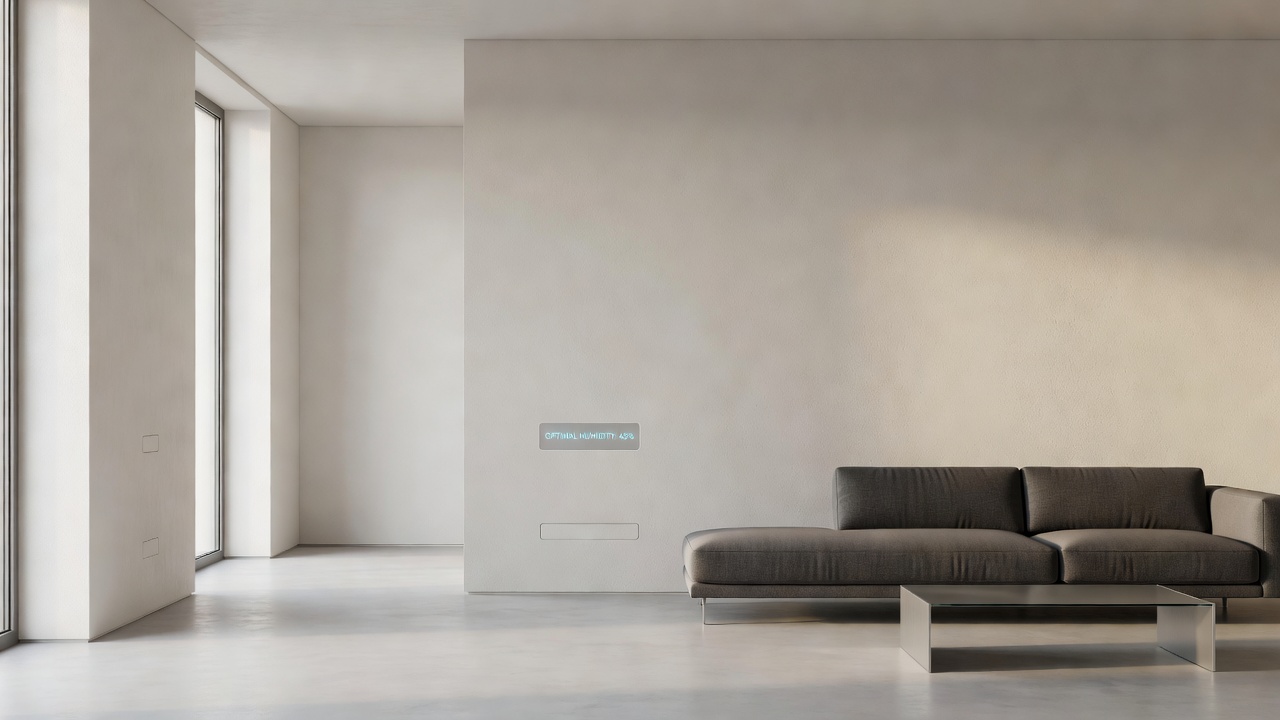
Introduction to Smart Humidity Control in Modern Renovations
Homeowners renovating in 2026 are increasingly prioritizing indoor air quality and comfort through integrated smart systems. Smart humidity control systems automatically regulate moisture levels to prevent mold growth, enhance energy efficiency, and complement sleek modern aesthetics. These technologies align perfectly with contemporary design trends, offering seamless automation without compromising visual appeal. In today's renovations, humidity management is no longer an afterthought but a core element of healthy home design, especially as climate patterns shift and energy efficiency standards tighten. By maintaining optimal humidity between 30-50%, these systems create healthier living environments. They integrate with existing smart home ecosystems like voice assistants and sensors for proactive management. This guide covers practical installation across room types, system comparisons, real renovation examples, and pairing strategies, providing homeowners with actionable insights for successful 2026 projects.
Key Benefits of Automated Humidity Management
Automated systems detect humidity fluctuations in real time and adjust accordingly, reducing risks associated with excess moisture such as structural damage and respiratory issues. They also support modern design by hiding components within walls or ceilings for a minimalist look. Beyond basic comfort, these systems contribute to long-term property preservation by minimizing warping in wood floors and peeling paint on walls. Homeowners report fewer allergy symptoms and improved sleep quality once levels stabilize. Environmental benefits include reduced reliance on chemical mold treatments, promoting greener living spaces.
- Prevents mold and mildew through consistent monitoring and automatic adjustments
- Improves overall air quality and occupant comfort across all seasons
- Reduces energy waste by optimizing HVAC performance and avoiding overcooling
- Enhances property value in 2026 smart home markets through advanced integration
- Supports better respiratory health by limiting dust mites and allergens that thrive in high humidity
Research from authoritative sources confirms these advantages for residential applications. Learn more from the EPA on indoor air quality. Additional guidance from health organizations highlights the role of moisture control in preventing common household issues. Explore WHO resources on indoor environments.
Installation Steps for Different Room Types
Installation varies by space but follows core principles of sensor placement and system calibration. Always consult professionals for electrical and plumbing integrations during renovations to ensure compliance with local codes. Preparation includes assessing existing ventilation, mapping moisture-prone areas, and selecting devices compatible with your home's layout.
Bathrooms and Kitchens
Start by mounting sensors near moisture sources like showers or sinks. Connect to exhaust fans with humidity triggers for automatic activation after use. Run wiring through existing walls during demolition phases for clean finishes. In kitchens, position units away from cooking heat sources to avoid false readings while ensuring coverage near dishwashers and sinks. Test the system post-installation by simulating high-moisture events like long showers.
Living Areas and Bedrooms
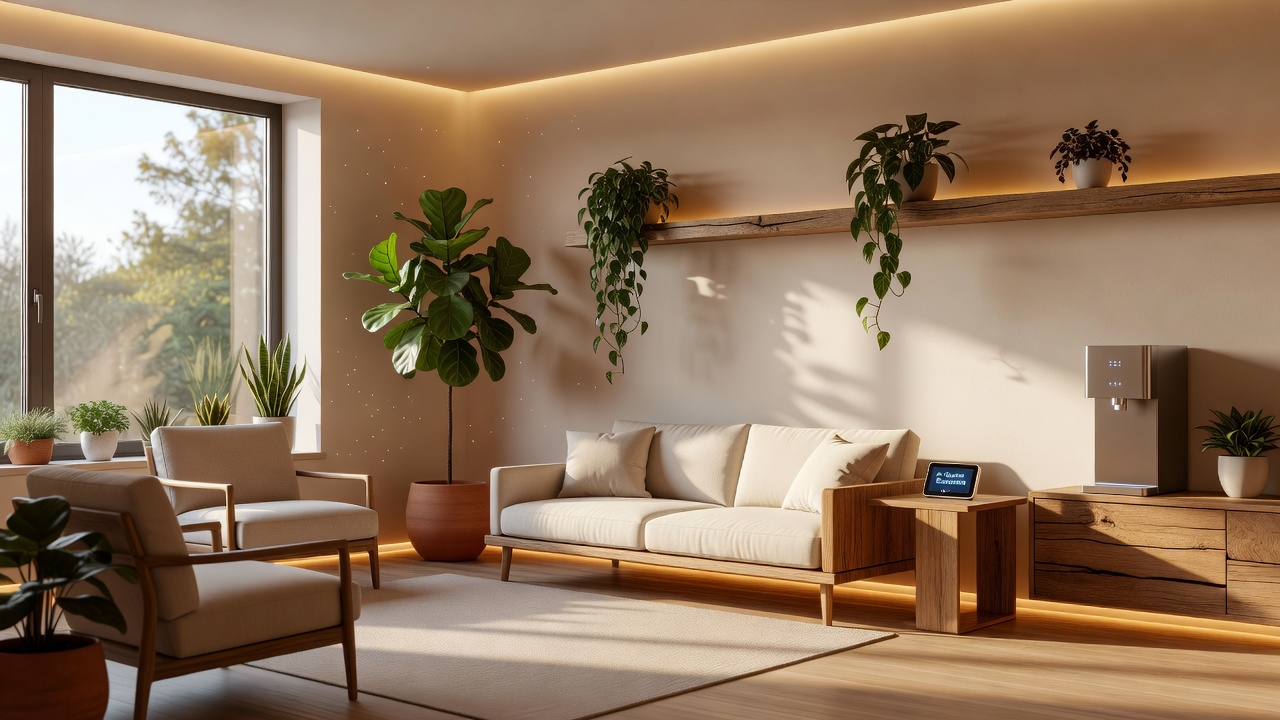
Place central controllers in high-traffic zones for optimal coverage. Integrate with whole-home ducts or standalone units placed discreetly behind furniture. Test airflow after drywall installation to ensure even distribution without drafts. Consider zoning controls that allow different humidity targets per room, such as slightly higher levels in bedrooms for comfort during sleep.
Basements and Utility Spaces
These areas often require robust whole-home integrations due to higher baseline moisture. Install sensors at multiple heights to account for ground seepage and use dehumidification tied to sump pumps. During renovations, incorporate vapor barriers alongside smart controls for comprehensive protection.
Step-by-step process: 1. Assess current humidity baselines with portable meters over several days. 2. Select compatible devices based on room size and smart ecosystem. 3. Install sensors and connect to hubs using secure wiring or wireless protocols. 4. Configure app-based controls and set custom thresholds. 5. Verify performance over 48 hours and adjust as needed. Document all steps for future maintenance reference.
Standalone Units vs Whole-Home Integrations
Standalone dehumidifiers offer flexibility for targeted rooms but require manual emptying and periodic filter changes. Whole-home systems tie into HVAC for automated, centralized control, ideal for larger renovations seeking uniform results. Pros of standalone include lower upfront disruption and easier relocation, while whole-home options excel in consistency and reduced noise. Cons for standalone involve higher long-term labor, whereas whole-home may need professional duct modifications. Comparisons show whole-home options provide superior consistency across multi-story homes, while standalone units suit budget-conscious updates or smaller properties. Choose based on home size, existing infrastructure, and renovation scope. Many 2026 projects combine both for hybrid efficiency.
Real-World Examples from Contemporary Renovations
In a recent urban loft project, homeowners embedded sensors into exposed brick walls for a modern industrial aesthetic. The system linked to smart vents, maintaining ideal levels during seasonal changes and preventing condensation on large windows. Another suburban kitchen remodel used ceiling-integrated units that blended with minimalist cabinetry, automatically adjusting during high-cooking periods. A third example involved a family home basement conversion where smart controls paired with new flooring to eliminate musty odors, transforming the space into a usable living area. These cases highlight how smart humidity solutions elevate both function and design in 2026 updates. 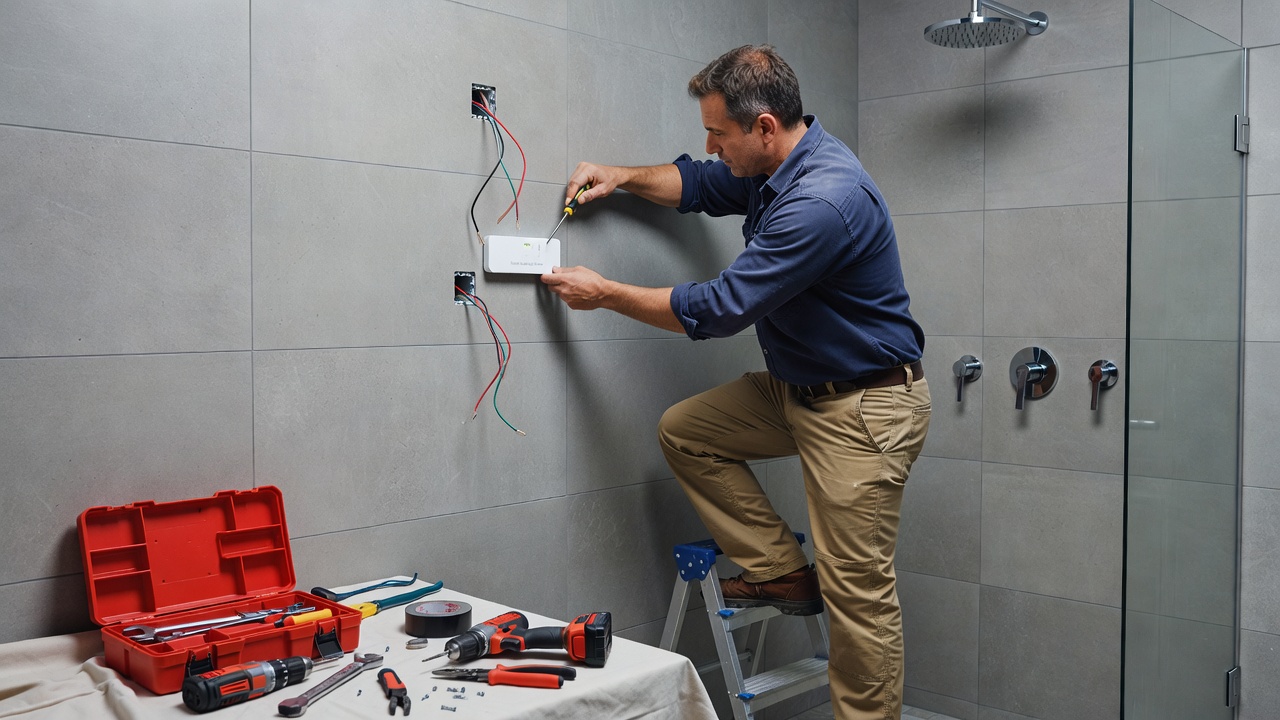
Pairing with Existing Smart Ecosystems
Compatibility with platforms like Apple HomeKit or Google Home allows unified control across devices. Use APIs for custom automations, such as lowering humidity when occupancy sensors detect activity or integrating with weather forecasts for preemptive adjustments. Ensure devices support open protocols like Zigbee or Z-Wave for future-proofing against evolving standards. This integration creates responsive environments that adapt to user routines, such as boosting dehumidification during humid summer evenings. Practical tips include starting with a central hub, testing interoperability before full rollout, and updating firmware regularly to maintain security.
Mistakes to Avoid During Implementation
Common pitfalls include poor sensor placement leading to inaccurate readings, ignoring local climate data when setting thresholds, and overlooking compatibility with existing HVAC filters. Always verify electrical loads and avoid overloading circuits during integration. Skipping professional calibration can result in inefficient operation over time.
FAQ Section
What maintenance is typically required?
Regular filter cleaning every few months and annual professional checks keep systems running efficiently. Sensor recalibration may be needed seasonally, especially after major weather shifts, to sustain accuracy and performance.
How do these systems contribute to energy savings?
By preventing overworking of HVAC equipment, they support lower utility consumption through precise moisture regulation, leading to more stable indoor conditions without excessive cycling of heating or cooling components.
Are there considerations for costs in 2026 projects?
Budgets vary by scope and home size; focus on scalable options that match renovation timelines for best value. Qualitative planning around professional installation and device quality yields reliable long-term results.
Conclusion
Smart humidity control systems represent a forward-thinking addition to 2026 home renovations, delivering health, comfort, and design benefits. Implementing these solutions with careful planning ensures lasting results that align with modern living standards and evolving homeowner priorities.
No comments yet. Be the first!