 Fixated on Home
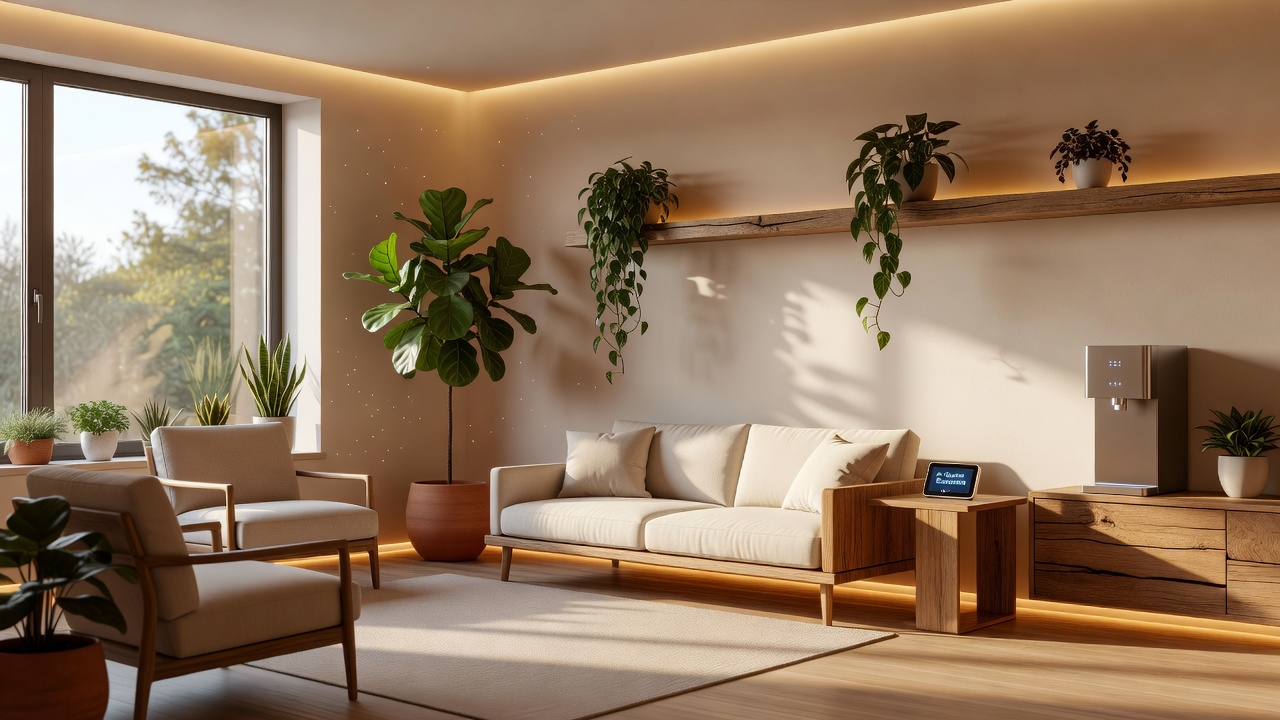
Introduction to Wellness-Focused Smart Home Renovations
Modern homeowners are increasingly blending technology with biophilic design principles to create spaces that support both physical and mental health. Smart home upgrades can transform everyday living by improving air quality, regulating sleep cycles through lighting, and encouraging proper hydration. This guide explores practical ways to integrate these features during renovations, offering real-world examples and comparisons of leading devices.
Biophilic design emphasizes connections to nature, and smart technology enhances this by automating environmental controls. Whether updating a single room or an entire home, these upgrades address common renovation goals like reducing allergens and promoting restorative rest. Homeowners seeking renovation ideas often search for solutions that merge convenience with health benefits, making smart systems a natural fit for contemporary living.
By focusing on evidence-based technologies, renovations can yield measurable improvements in daily comfort. Integrating sensors and automation allows for personalized environments that adapt to individual needs, fostering long-term wellness without requiring constant manual intervention.
Monitoring and Improving Indoor Air Quality
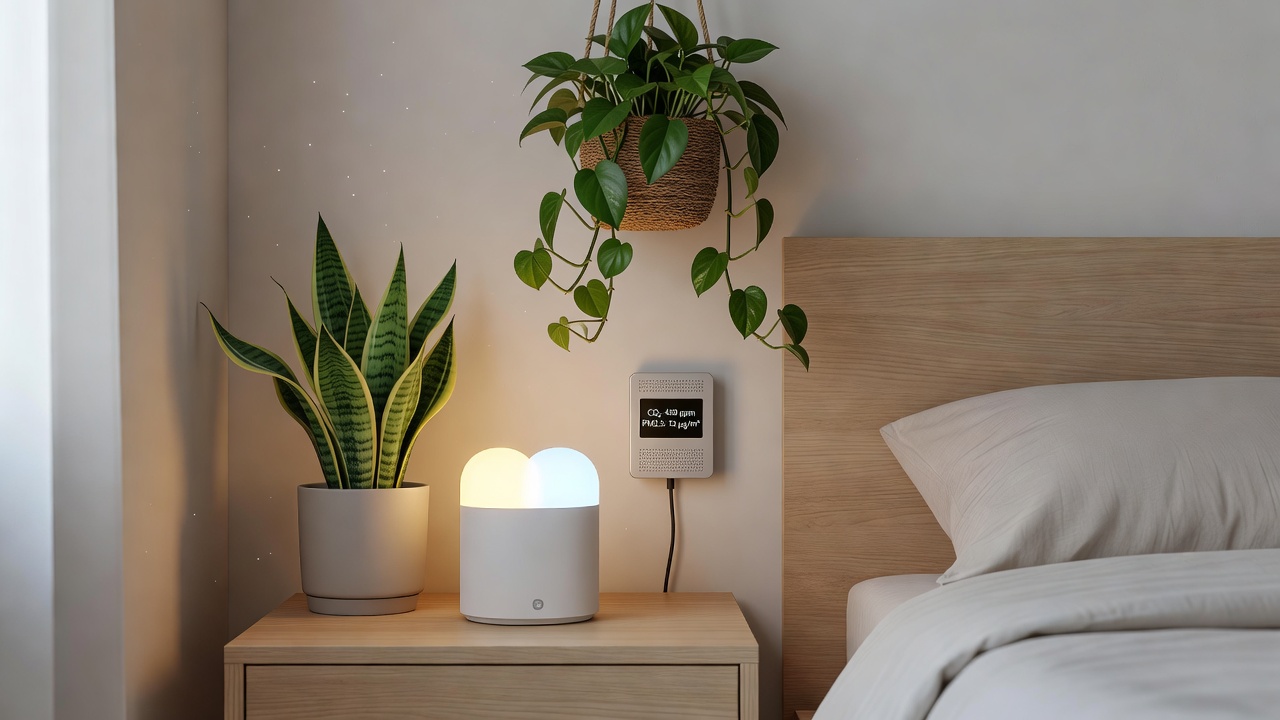
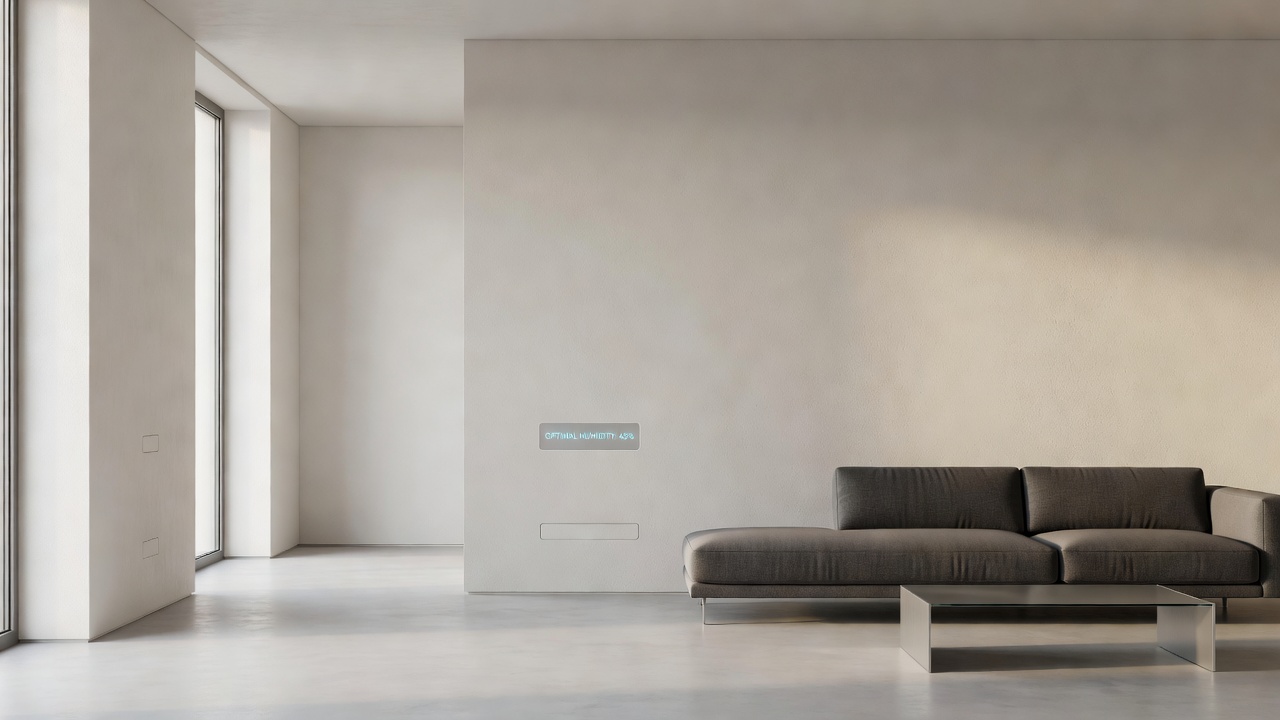
Indoor air quality directly impacts respiratory health and overall well-being. Smart air quality monitors track pollutants, humidity, and VOCs in real time, alerting users via apps. During renovations, integrate these systems with HVAC upgrades for automated ventilation that responds to detected issues.
Practical installation steps include placing monitors in high-traffic areas like living rooms and bedrooms at eye level for accurate readings. Connect them to smart vents or purifiers for responsive adjustments. Popular options from brands like Dyson and Philips offer app integration and multi-room coverage, allowing seamless data sharing across devices.
Comparisons show Dyson's Pure Cool models excel in filtration speed and coverage for larger spaces, while Philips devices provide better value for smaller homes with quieter operation. Before-and-after examples often reveal reduced allergy symptoms within weeks of installation, especially in homes near urban areas where outdoor pollution infiltrates indoors. One family in a suburban renovation reported fewer asthma flare-ups after adding zoned monitoring that triggered ventilation only when needed.
Additional benefits include tracking seasonal changes, such as increased pollen in spring, and adjusting filters accordingly. Homeowners can review historical data to identify patterns and refine their renovation choices for optimal results.
Learn more about air quality standards from the EPA. For further guidance on health impacts, consult the CDC.
Circadian Lighting Setups for Better Sleep and Energy
Circadian lighting mimics natural daylight patterns to regulate melatonin and cortisol levels. Smart bulbs and systems adjust color temperature automatically throughout the day, supporting wakefulness in mornings and relaxation in evenings. This setup is particularly valuable in modern renovations where natural light may be limited by building orientation or window placement.
Installation involves replacing existing fixtures with tunable LED bulbs from brands like Philips Hue or LIFX. Pair them with motion sensors and voice assistants for seamless control. In a typical renovation, add dimmers in bedrooms and kitchens to align with daily routines, ensuring gradual transitions that avoid harsh light changes.
Real transformations include families reporting improved sleep quality after switching to circadian setups. For instance, one urban apartment renovation replaced harsh overhead lights with zoned smart systems, resulting in better focus during work hours and deeper rest at night. Another example involved a home office where automated morning boosts helped residents maintain consistent energy levels without relying on caffeine.
Compare options: Philips Hue offers extensive ecosystem compatibility with other smart devices, while LIFX provides brighter outputs without requiring a separate hub. Consider bulb placement for even distribution and test schedules during the renovation phase to fine-tune based on household habits.
For global health insights, visit the World Health Organization.
Automated Hydration Stations for Daily Wellness
Staying hydrated supports cognitive function and physical health. Smart water dispensers with reminders and filtration track intake and maintain optimal temperatures, integrating easily into kitchen or office areas during renovations.
Steps for installation include plumbing a dedicated station near kitchens or home offices, integrating sensors for usage tracking. Brands like Waterdrop and Brita offer smart models with app notifications that encourage regular sips throughout the day. Placement near high-use zones maximizes adoption while keeping the design unobtrusive.
Examples from wellness renovations show households increasing daily water consumption noticeably after adding automated features, reducing reliance on sugary drinks. One case study highlighted a multi-generational home where the system helped elderly residents stay consistent with hydration goals, leading to improved energy and fewer complaints of fatigue.
Integrating with Biophilic Design Principles
Blending smart upgrades with biophilic elements creates cohesive environments. Pair air monitors with indoor plants that naturally filter air, or position circadian lights to highlight greenery. This approach enhances visual appeal and reinforces the wellness focus of the renovation.
Practical tips include selecting devices with neutral aesthetics that complement wood, stone, or living walls. Test placements to ensure technology supports rather than overwhelms natural features.
Comparing Devices and Avoiding Common Mistakes
When selecting devices, prioritize compatibility with existing smart hubs like Google Home or Alexa. Review user reviews for reliability in real homes and consider warranty options for long-term peace of mind. Mistakes to avoid include overcrowding rooms with gadgets or ignoring electrical load during installation, which can lead to system failures.
Conclusion
These smart upgrades deliver lasting benefits for health-focused renovations. Start with one system and expand based on your home's needs for a balanced, tech-enhanced living space that prioritizes wellness.
FAQ
How do I maintain these smart systems?
Regular firmware updates and filter replacements ensure optimal performance. Schedule annual professional checks for integrated HVAC components, and clean sensors monthly to prevent dust buildup that could skew readings.
Are these upgrades compatible with older home designs?
Most wireless devices retrofit easily without major rewiring, preserving architectural features while adding modern functionality. Consult an electrician early in the renovation to assess any necessary panel upgrades for seamless integration.
What long-term health benefits can I expect?
Users often experience better sleep, fewer respiratory issues, and improved hydration habits, supporting sustained mental and physical wellness over years. Consistent use also contributes to lower stress levels through automated environmental control.
No comments yet. Be the first!