 Fixated on Home
Introduction to Smart Glass for Modern Privacy
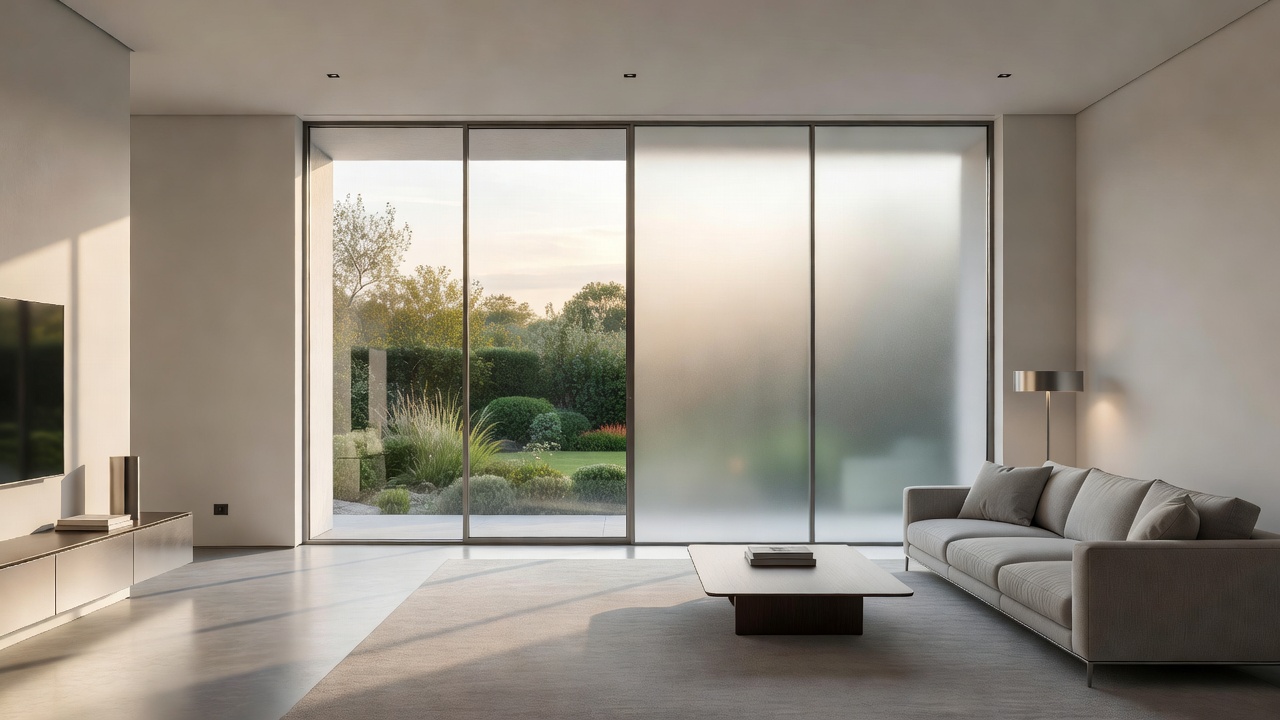
Smart glass windows represent a cutting-edge solution for homeowners seeking enhanced privacy without sacrificing natural light or modern aesthetics. As 2026 renovations emphasize technology integration and sustainable design, these dynamic windows switch from transparent to opaque at the touch of a button or via voice commands. This capability transforms how living spaces function, allowing residents to control visibility instantly while maintaining an open, airy feel in contemporary homes. Homeowners renovating in 2026 are increasingly turning to smart home upgrades that blend seamlessly with contemporary architecture, and smart glass fits this trend perfectly by offering instant privacy control alongside contributions to overall energy efficiency. In an era where open floor plans dominate, the ability to create private zones without permanent walls or heavy drapery provides both functional and visual advantages that traditional solutions cannot match.
The growing popularity stems from broader smart home adoption trends, where devices communicate to optimize daily living. Smart glass elevates this by addressing privacy concerns that arise in urban settings or homes with large glass expanses. Whether for family rooms overlooking streets or master suites with expansive views, the technology delivers on-demand opacity while preserving daylight, reducing the need for artificial lighting during daytime hours.
Understanding Electrochromic and PDLC Technologies
Two primary technologies power smart glass: electrochromic and polymer-dispersed liquid crystal (PDLC). Electrochromic glass uses a thin film that changes tint when voltage is applied, gradually shifting from clear to shaded states over several minutes for a smooth transition. This makes it particularly suitable for large architectural windows where subtle adjustments enhance comfort without abrupt changes. PDLC technology disperses liquid crystals within a polymer matrix; when powered, the crystals align to allow light passage, and when off, they scatter light for full opacity in under a second. Both options integrate with home automation systems, but their performance characteristics differ based on application needs. Electrochromic variants excel in gradual light control, ideal for living areas and offices, while PDLC provides faster switching suited for bathrooms or bedrooms needing quick privacy shifts. Homeowners should evaluate response times, energy draw during transitions, and tint levels when selecting between the two for specific room requirements.
Additional considerations include compatibility with double or triple glazing for insulation and the potential for custom sizes in renovation projects. Manufacturers continue refining these materials for better durability against UV exposure and temperature fluctuations common in diverse climates.
Energy-Saving Potential and Smart Integration
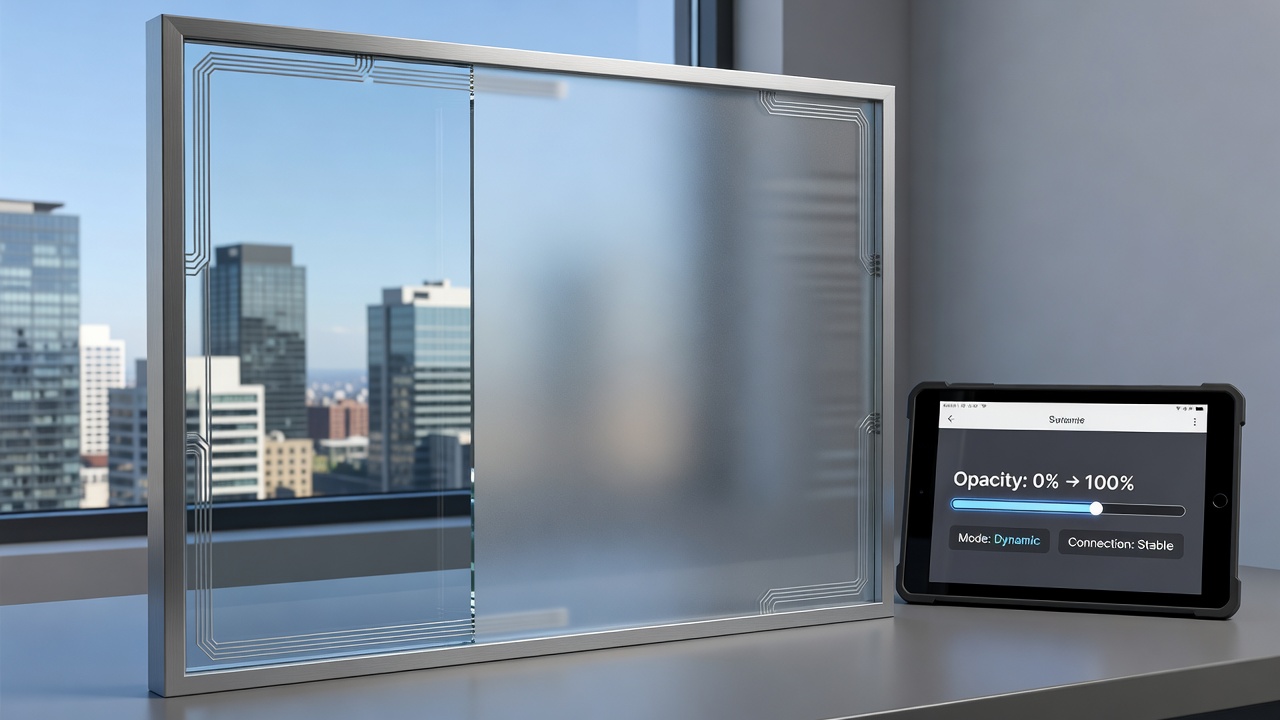
Smart glass contributes to lower energy consumption by reducing reliance on heating, cooling, and artificial lighting. It blocks solar heat gain in summer and retains warmth in winter through dynamic tinting that responds to environmental conditions. This complements other smart home features such as automated thermostats and lighting systems, creating a cohesive ecosystem that optimizes resource use throughout the day. Integration with voice assistants like Amazon Alexa or Google Assistant, as well as dedicated mobile apps, allows scheduling based on time of day, sunlight levels, or occupancy sensors. For instance, windows can automatically tint during peak afternoon heat to ease HVAC loads or clear at dawn to maximize morning light. For deeper insights into energy efficiency strategies, consult resources from the U.S. Department of Energy. Additional technical standards and research on building performance are available via the National Renewable Energy Laboratory. Homeowners exploring sustainable options may also benefit from guidance provided by the U.S. Environmental Protection Agency on energy-efficient home improvements.
Cost Breakdowns and Comparisons to Blinds or Curtains
While specific pricing fluctuates with market conditions, smart glass typically involves higher upfront investment than traditional options due to advanced materials and professional installation requirements. In contrast, blinds and curtains offer lower initial costs but require ongoing maintenance, replacement cycles, and lack seamless automation. Side-by-side evaluations reveal that smart glass provides superior durability and consistent light control without fabric wear, fading, or mechanical failures over time. Key differences include no moving parts in smart glass, which reduces dust accumulation compared to curtains, and reliable performance across seasons without the need for seasonal adjustments or cleaning routines. Long-term value emerges from reduced utility bills and minimal upkeep, making it an attractive choice for those prioritizing low-maintenance solutions in 2026 renovations.
Installation Steps: New Builds vs. Retrofits
For new construction, smart glass installs similarly to standard windows during framing, with electrical wiring routed for power and controls integrated into the building's automation backbone. Retrofits involve replacing existing panes, often requiring professional assessment of frames, structural support, and electrical access points. Steps generally include site evaluation to determine load requirements, custom glass fabrication tailored to measurements, wiring integration with existing circuits or new low-voltage lines, system calibration for optimal switching, and final testing with user controls. Potential challenges in retrofits include older window frames needing reinforcement or hidden wiring paths that may require minor wall modifications. Always work with certified installers familiar with local building codes to ensure compliance and warranty validity throughout the project lifecycle.
Real-World Case Examples
In a 2025 California modern home renovation, electrochromic glass was installed across south-facing windows, resulting in improved daylight management and noticeable reductions in cooling demands during summer months. Residents reported enhanced comfort in open living areas without the visual clutter of traditional shades. Another example from a European urban loft retrofit used PDLC panels in a glass partition wall, enabling flexible room division controlled via smartphone for work-from-home setups that required privacy during video calls. A third case in a Pacific Northwest family residence combined smart glass with automated shading on skylights, creating versatile spaces that adapted from bright family gathering areas to darker, intimate zones in evenings while supporting overall home energy goals.
Buying Checklist for Homeowners
- Assess window orientation and sunlight exposure to determine ideal tinting patterns and technology type.
- Verify compatibility with existing smart home ecosystems such as Alexa, Google Home, or proprietary hubs.
- Request warranties covering at least 10 years on switching performance and electrical components.
- Compare tint levels, response times, and power consumption between electrochromic and PDLC options through product demonstrations.
- Consult local energy incentives or rebate programs available for smart building upgrades in your region.
- Review installer credentials, references, and examples of completed residential projects before committing.
- Evaluate glass thickness options for acoustic benefits and security features alongside privacy functions.
Common Mistakes to Avoid
One frequent oversight involves underestimating electrical requirements during planning, leading to costly mid-project adjustments. Another is selecting technology without testing sample panels in actual lighting conditions, which can result in mismatched expectations for opacity or transition speed. Homeowners should also avoid choosing vendors without proven experience in residential retrofits, as this increases risks of improper calibration or integration failures with other smart devices.
FAQ on Maintenance and Long-Term Durability
How do I maintain smart glass windows?
Cleaning follows standard glass protocols using non-abrasive solutions and soft cloths. Avoid harsh chemicals that could damage conductive layers or edge seals.
What is the expected lifespan?
Most systems last 15–25 years with proper installation, maintaining reliable switching performance throughout their service life under normal residential conditions.
Can smart glass fail over time?
Failures are rare but typically involve wiring issues or power supply problems rather than the glass itself; professional servicing addresses these promptly to restore full functionality.
Does extreme weather affect performance?
Quality smart glass is engineered to withstand temperature extremes and UV exposure, though protective coatings and proper sealing during installation are essential for longevity in harsh climates.
Conclusion
Smart glass windows offer a transformative privacy upgrade for 2026 modern homes, combining innovation with practical energy and design benefits. By understanding the underlying technologies, comparing alternatives thoroughly, and following a structured buying and installation process, homeowners can make informed decisions that enhance both daily comfort and long-term property value. This investment aligns well with evolving renovation priorities focused on sustainability, automation, and flexible living spaces.
No comments yet. Be the first!