 Fixated on Home
Introduction to Smart Home Integration in Historic Properties
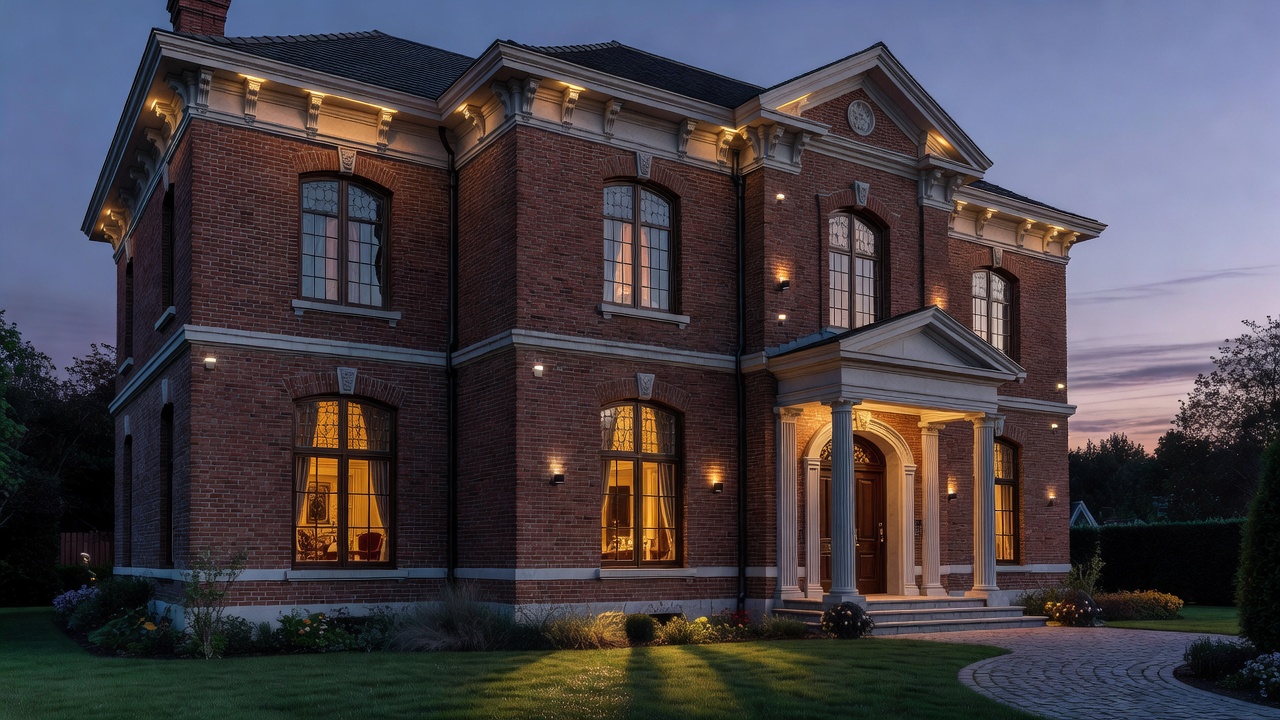
Historic homes offer timeless charm, but owners often seek modern comforts without compromising architectural integrity. In 2026, smart home upgrades provide energy-efficient solutions that respect heritage while aligning with contemporary design. This guide covers non-invasive installation, device selection, and real-world examples for homeowners balancing preservation and innovation. Integrating technology requires thoughtful planning to ensure upgrades enhance rather than detract from the property's character. Homeowners frequently face the challenge of updating aging infrastructure while meeting strict preservation standards that protect original features like ornate moldings, hardwood floors, and vintage fixtures.
Understanding Preservation Guidelines and Modern Needs
Before any upgrade, consult local historic preservation boards. These organizations ensure changes do not alter original features. Smart technology must remain invisible or reversible. Wireless options often prove ideal because they minimize structural impact. Embedded systems require careful planning to avoid damage to plaster, woodwork, or masonry. National guidelines from the National Park Service emphasize reversible interventions that allow future generations to appreciate the home's authentic history. Modern needs include improved energy efficiency, enhanced security, and convenient automation, all of which can be achieved without visible alterations when executed properly.
Non-Invasive Wiring and Installation Methods
Traditional wiring can disrupt historic elements. Instead, use surface-mounted conduits painted to match walls or hide cables behind baseboards. Powerline adapters leverage existing electrical lines for connectivity without new runs. Professional electricians experienced in heritage properties can assess load capacity and recommend low-voltage solutions. Another approach involves battery-powered sensors and devices that eliminate wiring entirely. These options reduce labor and protect original surfaces during 2026 renovations. For homes with fragile lath-and-plaster walls, technicians often employ wireless mesh networks that transmit signals through multiple nodes placed strategically throughout the property. This method avoids drilling and maintains structural integrity while delivering reliable performance for lighting, climate, and security controls.
Selecting Period-Appropriate Smart Devices
Choose devices with finishes that blend into historic aesthetics. Matte black or brass smart switches complement Victorian or Colonial styles. Voice assistants can hide inside period furniture or behind decorative screens. Thermostats with customizable faceplates maintain visual harmony while delivering precise climate control. Research brands offering heritage-inspired designs. Always verify compatibility with older electrical systems to prevent issues. Look for devices certified for older homes that support both modern protocols and legacy wiring. Consider finishes such as aged brass, oil-rubbed bronze, or matte white that echo original hardware. Many manufacturers now produce smart bulbs and switches in styles reminiscent of early 20th-century designs, allowing seamless integration into parlors and dining rooms.
Wireless vs. Embedded Systems Comparison
Wireless systems offer flexibility and easier reversal, making them popular for historic homes. They install quickly with minimal tools. Embedded systems provide seamless integration but demand more invasive work and higher upfront planning. Wireless advantages include lower disruption, scalability, and cost-effectiveness for phased upgrades. Embedded advantages include cleaner aesthetics and potentially more reliable long-term connections. Hybrid approaches combine both for optimal results in complex properties. Evaluate your home's construction and future renovation plans when deciding. In practice, many experts recommend starting with wireless solutions and adding embedded components only in areas undergoing major structural work. This phased strategy allows homeowners to test performance and adjust based on real-world usage patterns.
Step-by-Step Example: Discreet Climate Control
Start by assessing existing HVAC zones. Install smart vents in less visible areas or use ductless mini-splits with exterior units positioned out of sight. Pair with wireless temperature sensors placed behind furniture. Program schedules via app to optimize energy use while maintaining consistent comfort. Test the system during different seasons to fine-tune performance. Additional considerations include integrating humidity sensors to protect wooden elements from moisture damage common in older structures. Smart dampers can direct airflow only to occupied rooms, reducing strain on historic ductwork. Homeowners should also explore whole-house fans with automated controls that bring in cool evening air without opening windows, preserving both security and original window mechanisms.
Step-by-Step Example: Automated Lighting
Replace existing switches with smart dimmers featuring period-appropriate plates. 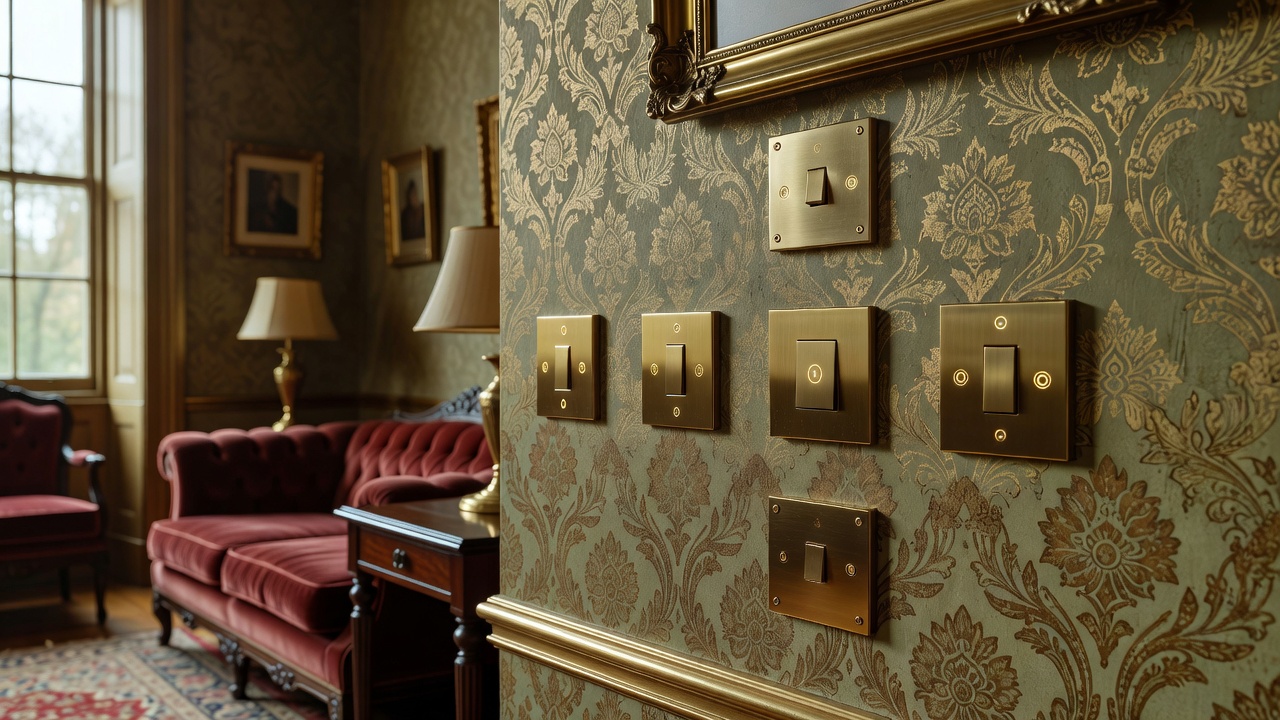
Additional Upgrade Opportunities
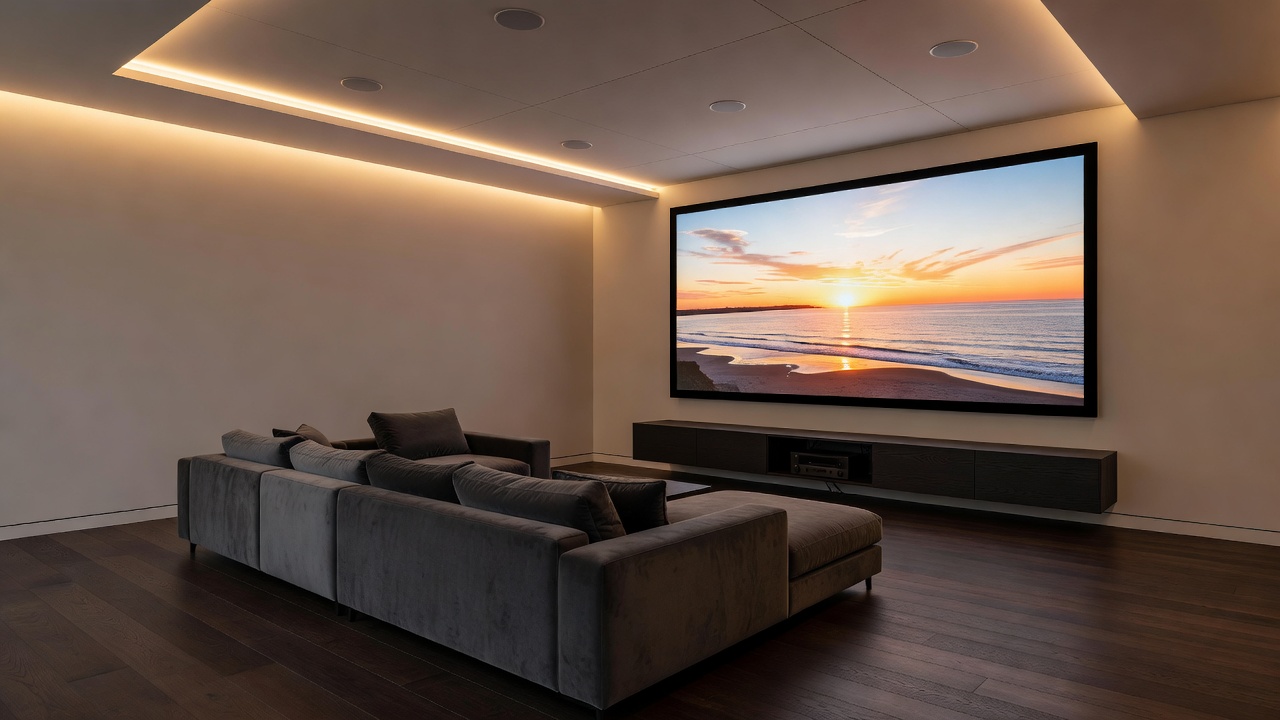
Consider smart locks with keypads styled like antique hardware. Window sensors can enhance security without visible wiring. Whole-home audio systems using hidden speakers behind walls or in ceilings deliver modern entertainment discreetly. Security cameras mounted in non-intrusive locations, such as within existing light fixtures or behind decorative grilles, provide monitoring without altering exterior appearances. For energy management, connect smart plugs to vintage appliances to monitor usage and schedule operation during off-peak hours, contributing to overall sustainability goals. The U.S. Department of Energy highlights how targeted automation can significantly improve efficiency in older buildings when properly implemented.
Mistakes to Avoid During Installation
Common pitfalls include rushing device selection without checking signal strength throughout thick walls or failing to document all changes for future preservation reviews. Avoid overloading existing circuits, which can lead to frequent breaker trips in homes with outdated electrical panels. Always prioritize professional assessment of load-bearing elements before any concealed work. Another frequent error is choosing devices that require constant internet connectivity without backup options, potentially leaving systems non-functional during outages common in rural historic districts.
FAQ: Common Preservation Challenges
How do I handle thick stone walls that block signals?
Use mesh Wi-Fi networks or powerline extenders to maintain reliable connectivity throughout the property.
Are smart upgrades reversible for future owners?
Most wireless solutions can be removed without trace, satisfying preservation requirements.
What about energy savings in older homes?
Smart controls often improve efficiency by optimizing usage patterns, complementing insulation and sealing efforts.
Can I integrate smart technology with existing antique lighting fixtures?
Yes, by using inline modules or smart bulbs that fit standard sockets, preserving the original fixtures while adding modern control capabilities.
How do I ensure long-term maintenance access?
Document all device locations and keep spare parts on hand. Choose systems with strong manufacturer support and local technician availability.
Conclusion
Smart home upgrades in 2026 allow historic homeowners to enjoy modern convenience while honoring architectural heritage. Careful planning, non-invasive techniques, and thoughtful device selection create spaces that feel both authentic and forward-thinking. Begin with small projects to build confidence before expanding the system. With the right approach, technology becomes an invisible ally that protects and enhances the home for decades to come.
No comments yet. Be the first!