 Fixated on Home
Introduction to 3D-Printed Smart Fixtures
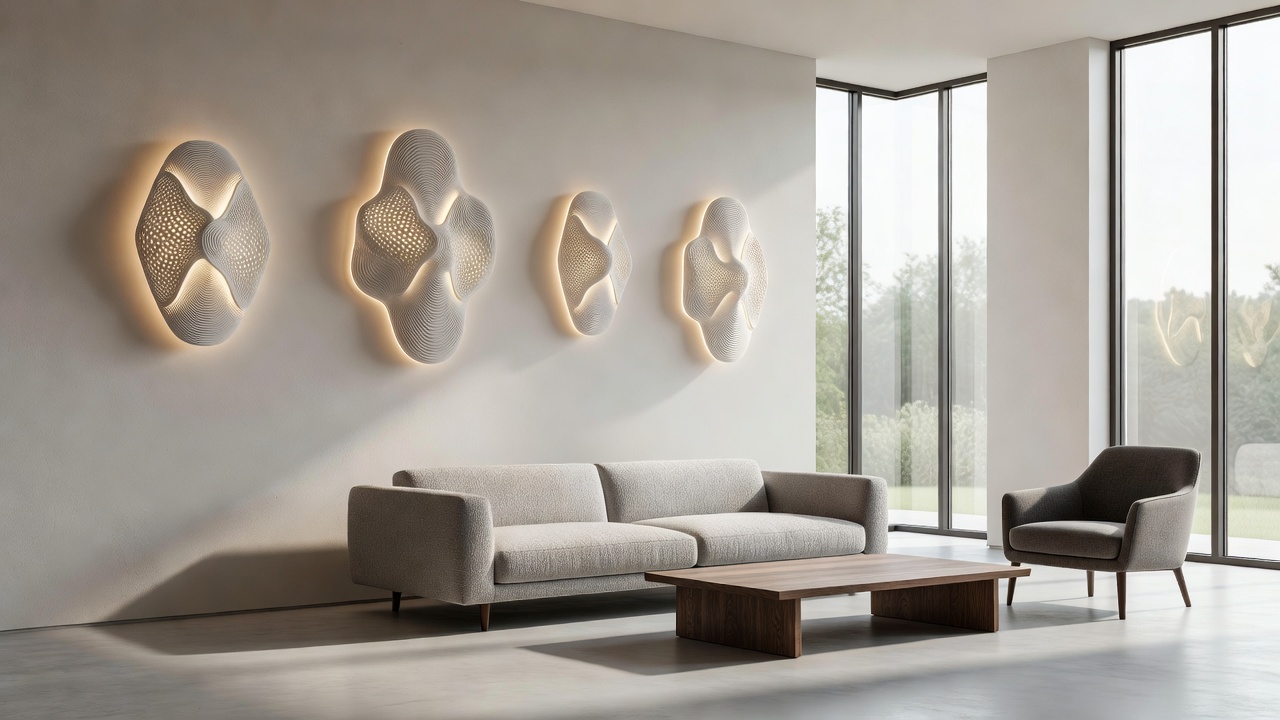
Homeowners in 2026 are moving beyond generic smart devices toward fully customized solutions that match their unique interior styles. 3D-printed smart fixtures combine additive manufacturing with IoT technology to deliver personalized lighting, sensors, and controls that blend seamlessly into modern renovations. This trend reflects a broader shift in home design where technology and aesthetics converge, allowing individuals to create environments tailored to their lifestyles rather than settling for mass-produced items that often clash with carefully curated spaces.
The appeal lies in the ability to produce fixtures that are not only functional but also serve as statement pieces. Whether updating a living room with sculptural light fixtures or adding discreet sensors in a bedroom, 3D printing removes traditional manufacturing constraints. Homeowners gain access to shapes, textures, and colors impossible to find on retail shelves, making renovations more personal and satisfying.
Compatible Materials for Durable Smart Fixtures
Selecting appropriate materials ensures fixtures withstand daily wear, temperature fluctuations, and humidity common in homes. PETG offers excellent impact resistance and flexibility, making it ideal for wall-mounted pieces that may experience occasional bumps. ASA provides strong UV stability for fixtures near windows or in sunrooms, preventing yellowing over time. For projects requiring embedded electronics, conductive PLA filaments allow traces to be printed directly, reducing the need for separate wiring.
Carbon-fiber composites add rigidity for larger structural components like ceiling mounts, while flexible TPU works well for protective covers or gaskets around sensors. Post-processing techniques such as acetone smoothing for ABS or epoxy coating for enhanced durability further extend lifespan. Always test small prints first to confirm layer adhesion and dimensional accuracy before committing to full-scale production.
Integrating Fixtures with Voice Assistants
Seamless connectivity transforms printed fixtures into responsive elements of a smart ecosystem. Platforms like Home Assistant enable local control without cloud dependency, supporting routines that adjust lighting based on time of day or occupancy. ESP32 and Raspberry Pi modules serve as reliable brains for these devices, communicating via Wi-Fi or Zigbee protocols.
Integration with commercial assistants such as Alexa or Google Assistant occurs through APIs, allowing voice commands to trigger custom behaviors. Security remains paramount; users should segment smart devices on isolated networks and enable encryption for all data transmissions. Advanced setups can incorporate machine learning models for predictive automation, such as pre-heating rooms before arrival.
Real-World Examples: Lighting, Sensors, and More
Practical applications demonstrate the versatility of this approach. A geometric wall sconce printed to complement mid-century furniture can house addressable LEDs with built-in motion detection that activates only after sunset. Ceiling sensors shaped like abstract art pieces monitor air quality and report levels to a central dashboard accessible via smartphone.
Other examples include custom switch plates that match existing molding while controlling multiple circuits, or freestanding plant stands with integrated grow lights and moisture sensors. These projects turn everyday objects into intelligent components, enhancing both convenience and visual appeal in kitchens, bathrooms, and outdoor-adjacent spaces.
Step-by-Step DIY Installation Guide
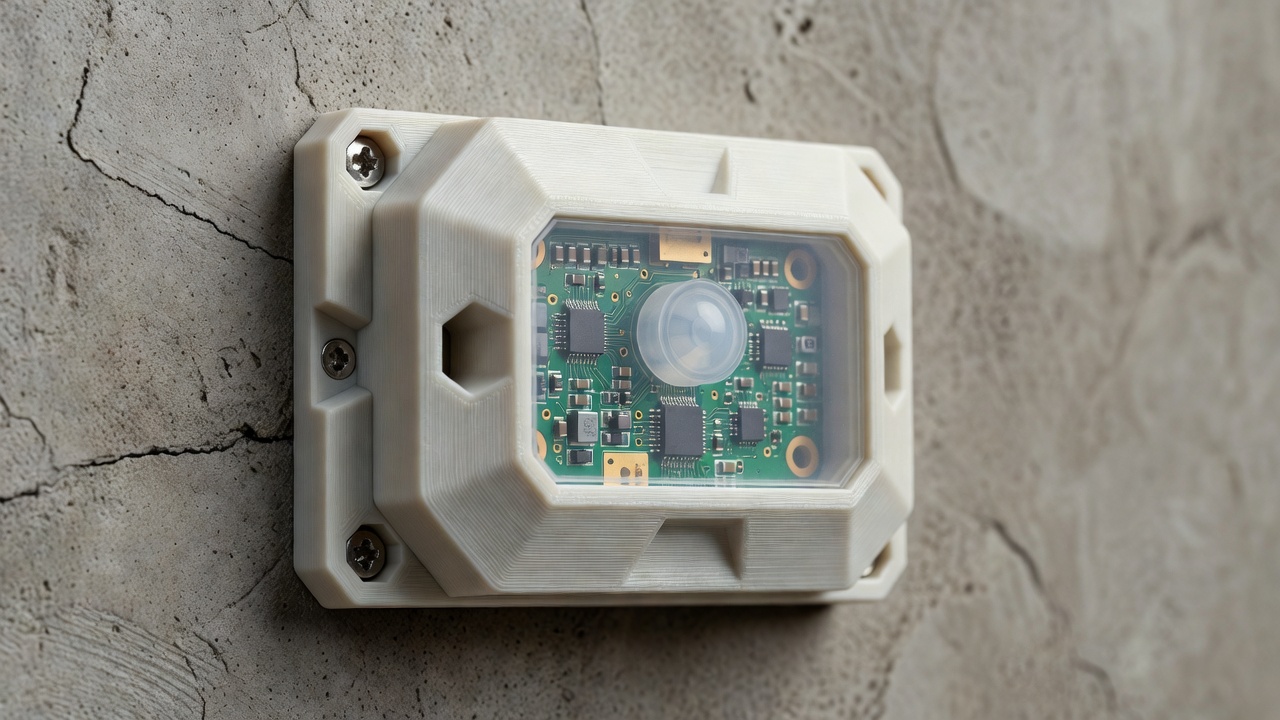
Creating and installing these fixtures follows a structured process that rewards careful planning. Begin by modeling the design in accessible CAD software, ensuring vents and mounting holes align with electronic components. Export optimized STL files and slice them with settings matched to your filament type.
Print components using appropriate temperatures and infill percentages for strength. After printing, sand surfaces smooth and apply primer or paint to achieve desired finishes. Assemble electronics by soldering connections where needed and securing boards with printed clips or adhesive. Test all functions, including voice responsiveness, before final placement.
Mount fixtures using wall anchors suited to your surface material, then configure software integrations. Troubleshooting common issues like weak Wi-Fi signals involves repositioning antennas or adding repeaters. Regular firmware updates keep devices secure and compatible with evolving smart home standards.
Design Software and Tools for Beginners
Accessible tools lower the barrier for newcomers. Free programs like Tinkercad allow quick prototyping of basic shapes, while more advanced options such as Fusion 360 handle complex assemblies with parametric features. Online repositories provide ready-to-modify models that can be adapted for specific smart modules.
Hardware recommendations include entry-level printers capable of reliable multi-hour prints alongside multimeters for electrical verification. Communities centered around open-source projects offer templates and troubleshooting forums that accelerate learning curves.
Comparing 3D-Printed Fixtures to Off-the-Shelf Products
Mass-market options deliver plug-and-play simplicity but often compromise on style and uniqueness. Custom 3D-printed fixtures excel in exact color matching, integrated multi-functionality, and the freedom to iterate designs rapidly. Off-the-shelf items typically include manufacturer warranties, whereas printed versions rely on material quality and user craftsmanship for longevity.
Cost considerations favor 3D printing for one-off pieces, as filament expenses remain modest compared to bespoke commercial orders. Long-term value increases when fixtures evolve with new technology through modular designs that accept updated components without full replacement.
Mistakes to Avoid in Custom Projects
- Overlooking heat dissipation around LEDs or power supplies, which can warp printed parts.
- Using incompatible filaments that fail to bond with electronic housings.
- Neglecting network security during initial setup, exposing devices to potential breaches.
- Skipping prototype testing, leading to fitment issues during final installation.
Frequently Asked Questions
How durable are 3D-printed smart fixtures in 2026 renovations?
Proper material selection combined with finishing processes yields fixtures that match or exceed the lifespan of conventional plastic housings, especially when protected from direct moisture or extreme temperatures.
What maintenance do these fixtures require?
Periodic dusting, occasional firmware checks, and inspection of mounting hardware suffice for most installations. Sensors may need recalibration annually depending on environmental exposure.
Can beginners successfully complete these projects?
Yes, starting with simple designs and leveraging community resources builds confidence quickly. Many users progress from basic lamp shades to fully integrated sensor arrays within a few months.
How do these fixtures support sustainability goals?
Localized printing reduces shipping emissions, and repairable modular designs minimize waste compared to disposable consumer electronics.
Conclusion
3D-printed smart fixtures empower homeowners to achieve distinctive, technology-enhanced spaces in 2026. Through informed material choices, thoughtful integration, and methodical DIY execution, these custom solutions deliver lasting value that generic products cannot replicate.
No comments yet. Be the first!