 Fixated on Home
Introduction to Scaling Smart Home Upgrades in Expansive Properties
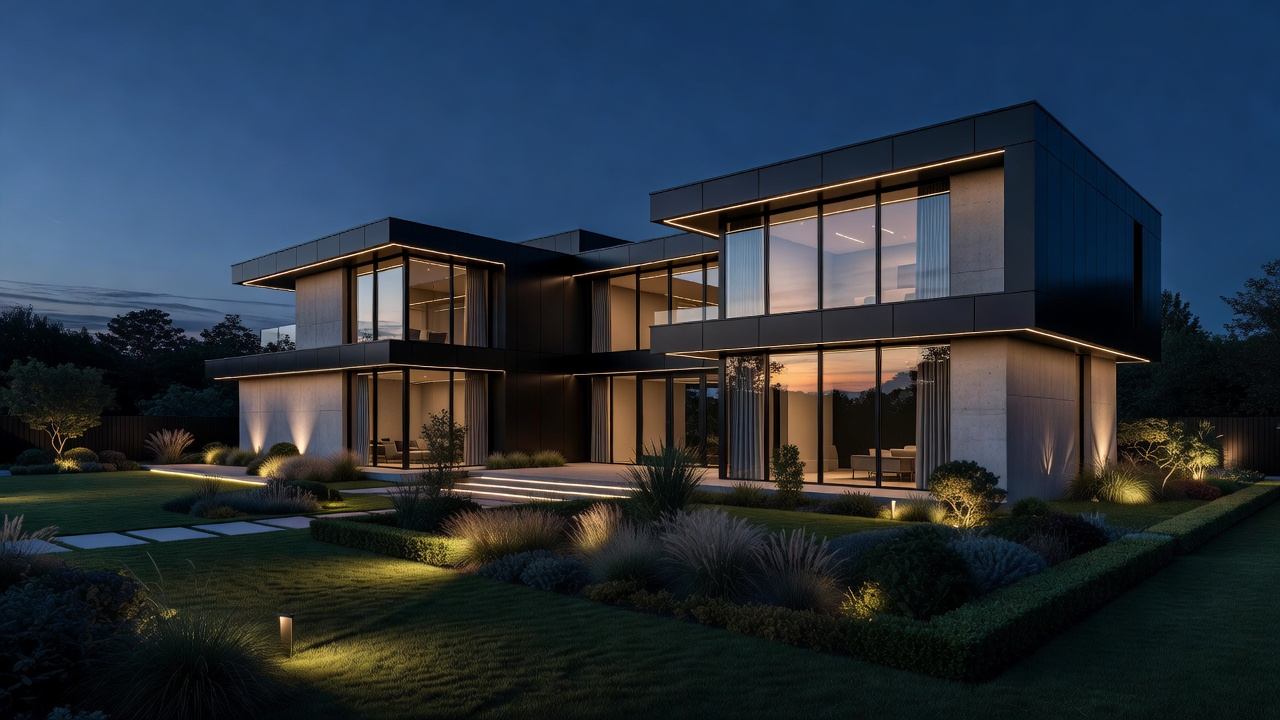
Large modern homes present unique challenges and opportunities when integrating smart technology. Unlike smaller residences, expansive properties require thoughtful planning to ensure seamless connectivity across multiple floors, outdoor spaces, and specialized rooms. In 2026, homeowners and designers are focusing on scalable solutions that enhance comfort, security, and energy efficiency without disrupting architectural integrity. This approach goes beyond basic device installation to create cohesive ecosystems that adapt to lifestyle changes over time.
Modern properties often span thousands of square feet with open layouts, multiple wings, and extensive outdoor areas. Scaling upgrades effectively means addressing potential issues like signal interference, power management, and user accessibility from the start. This guide delves into comprehensive strategies for implementing these upgrades during renovations, drawing from luxury project insights and technical best practices that deliver long-term value.
Whole-Home Ecosystem Planning
Successful scaling begins with a centralized ecosystem. Start by mapping all devices to a primary hub that supports protocols like Matter and Zigbee for broad compatibility. Consider power distribution, network backbone, and data privacy from the outset. Professional integrators often recommend creating a digital twin of the property to simulate device interactions before physical installation. This virtual model helps identify coverage gaps in large spaces where walls or distance might weaken signals.
Key considerations include ensuring sufficient bandwidth for dozens of connected devices and incorporating redundancy for critical systems like security and climate control. Network segmentation separates guest access from core home functions, reducing risks. In expansive homes, fiber optic backbones or advanced mesh Wi-Fi systems form the foundation, allowing reliable performance even when multiple users stream content or control devices simultaneously. Privacy features, such as local processing options, keep sensitive data like camera feeds within the property rather than relying solely on cloud services.
Multi-Zone Automation Examples
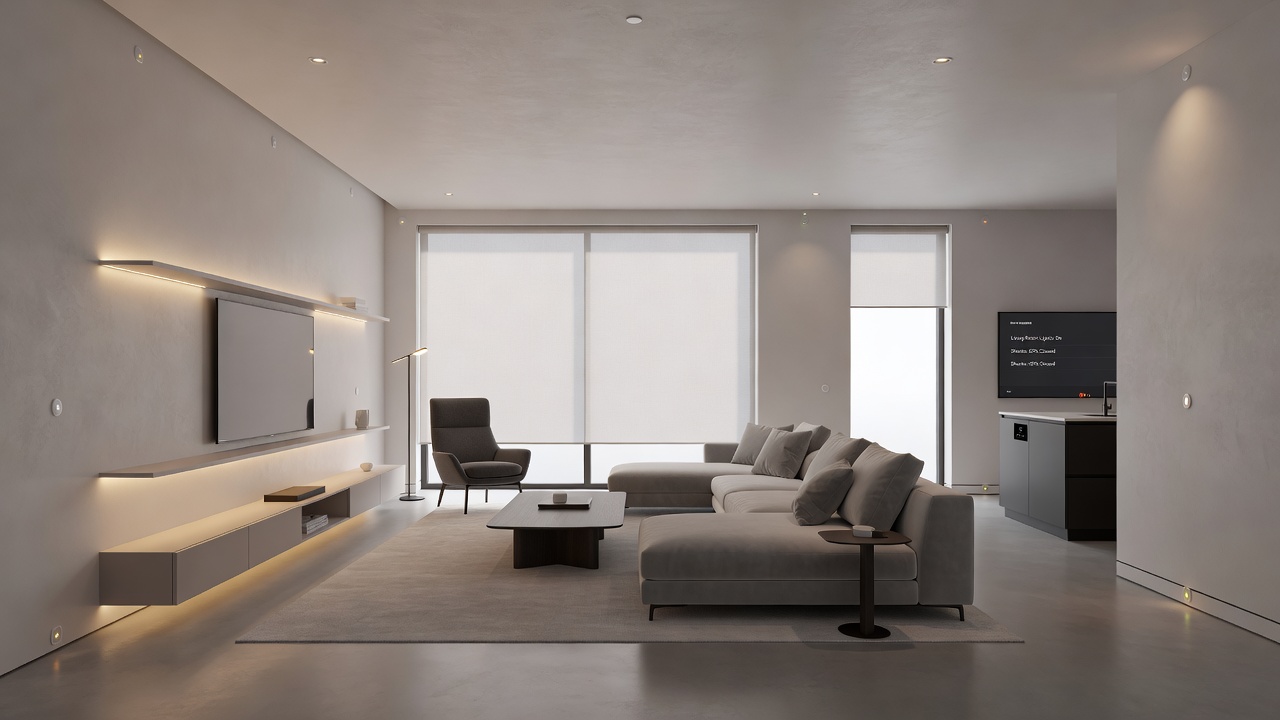
Divide the home into logical zones such as entry, living, private, and exterior areas. In the entry zone, automate lighting, locks, and climate based on occupancy sensors that detect arrivals from multiple driveways or pathways. Living zones can feature synchronized entertainment systems and dynamic shading that adjusts to sunlight patterns throughout the day. Private zones prioritize personalized comfort settings, including individualized temperature controls and lighting scenes tailored to bedtime routines. Exterior zones handle irrigation, pool controls, and landscape lighting that respond to weather data or scheduled events.
These zones operate independently yet communicate through the central ecosystem for unified control via voice or app interfaces. For instance, a family might program morning routines where the kitchen zone activates coffee makers and soft lighting while the garage zone unlocks vehicles and adjusts driveway illumination. In larger estates, multi-zone setups also integrate with wellness features like automated air purification that activates in high-traffic living areas during gatherings.
Comparing Wired and Scalable Wireless Systems
Wired systems offer reliability and low latency but require invasive installation that can affect timelines in renovations. Scalable wireless options, using mesh networks, provide flexibility for phased rollouts and easier modifications as family needs evolve. Many 2026 projects blend both, using wired backbones for high-traffic areas and wireless for peripheral devices like sensors in remote wings.
Evaluate factors like home age, renovation scope, and long-term maintenance when choosing the hybrid approach. Wired installations excel in new construction or major gut renovations where conduits can be hidden, while wireless shines in preserving historic elements or minimizing dust and disruption. Hybrid models often deliver the best of both by ensuring core functions remain operational even if wireless components need updates.
Learn more about energy-efficient smart systems from the U.S. Department of Energy.
Budgeting for Extensive Coverage
Focus on prioritizing high-impact areas first, such as security and HVAC integration. Allocate resources for professional assessments to avoid costly rework. Emphasize modular components that allow incremental expansion over time. Create detailed spreadsheets tracking device categories, installation labor, and contingency funds for unexpected integration hurdles common in large-scale projects.
Consider phasing expenses across multiple renovation stages to spread financial commitments. For example, complete network infrastructure in year one, followed by automation layers in subsequent phases. This method helps maintain quality without overwhelming resources and allows testing of each addition before full commitment.
Integrating with Existing Home Design Elements
Smart devices should complement rather than clash with modern aesthetics. Choose recessed sensors, hidden wiring channels, and neutral-finished hardware. Collaborate with architects early to embed technology into custom millwork and lighting plans. In luxury settings, this might involve concealing control panels behind artwork or integrating touch-sensitive surfaces into stone countertops.
Design harmony also extends to outdoor elements where smart irrigation and lighting must blend with landscaping. Working with interior designers ensures that voice assistants or displays match the overall color palette and material choices, creating an invisible yet powerful technological layer throughout the property.
Step-by-Step Rollout Phases
- Conduct a full property audit and network assessment, including signal mapping across all floors and outbuildings.
- Install the core hub and backbone infrastructure, testing for coverage in every zone before proceeding.
- Deploy zone-specific devices in priority order, beginning with security and climate systems that provide immediate benefits.
- Test integrations and user interfaces thoroughly, simulating daily scenarios to refine automation rules.
- Train occupants and establish maintenance protocols, including documentation of all device locations and access credentials.
Each phase includes documentation and review meetings with stakeholders to adjust plans based on real-world feedback from the property.
Real-World Case Examples from Luxury Renovations
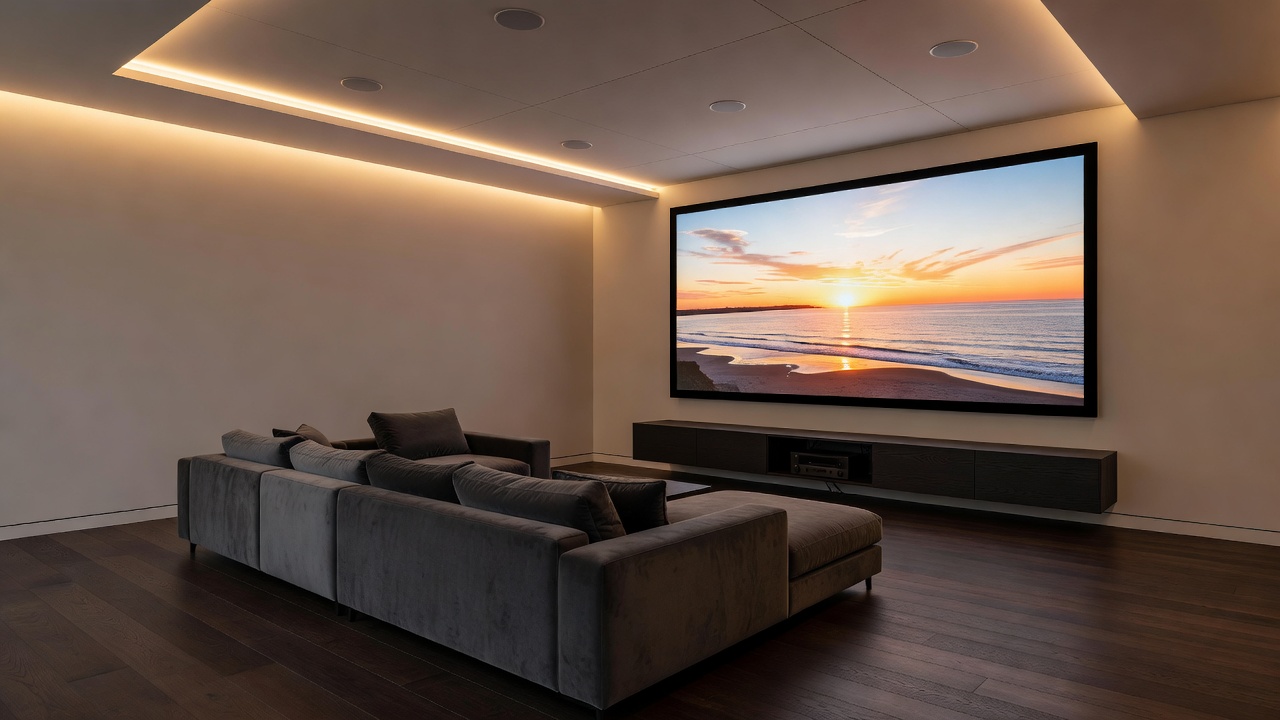
In one coastal estate project, integrators scaled automation across 8,000 square feet by layering wireless sensors onto an existing wired lighting grid. This allowed dynamic scene control that adapted to seasonal changes and guest preferences. Another urban penthouse renovation used multi-zone audio-visual automation to create immersive experiences while preserving minimalist interiors through hidden speakers and motorized window treatments.
A third example involved a mountain retreat where exterior zones managed wildfire detection sensors alongside landscape lighting, integrated with interior alerts for rapid response. These examples highlight the value of phased implementation for minimizing disruption during ongoing occupancy.
Maintenance and Future-Proofing: Common FAQs
How often should systems be updated?
Schedule firmware checks quarterly and full system audits annually to maintain peak performance and security. Regular updates address vulnerabilities and add features that enhance compatibility with new devices.
What strategies ensure longevity?
Select open-standard platforms and modular hardware that support emerging protocols. Review cybersecurity guidelines from NIST for protecting connected homes against evolving threats.
Can upgrades be added later without major rewiring?
Yes, wireless mesh systems and battery-powered devices enable expansion with minimal structural changes, supporting ongoing adaptation as technology advances.
How do you handle potential system failures in large properties?
Implement redundant pathways and backup power supplies for critical zones, ensuring that essential functions like lighting and security remain active during outages.
Explore additional smart home security resources from CISA.
Common Mistakes to Avoid
Overloading a single network without segmentation can lead to slowdowns. Failing to plan for future device additions often results in costly retrofits. Always test user interfaces with all household members to catch usability issues early.
Conclusion
Scaling smart home upgrades in expansive modern homes demands strategic planning and attention to both technology and design harmony. By following structured phases and leveraging hybrid systems, property owners can achieve sophisticated, adaptable environments that stand the test of time while enhancing daily living.

No comments yet. Be the first!