 Fixated on Home
Introduction to Robotic Assistants in Modern Homes
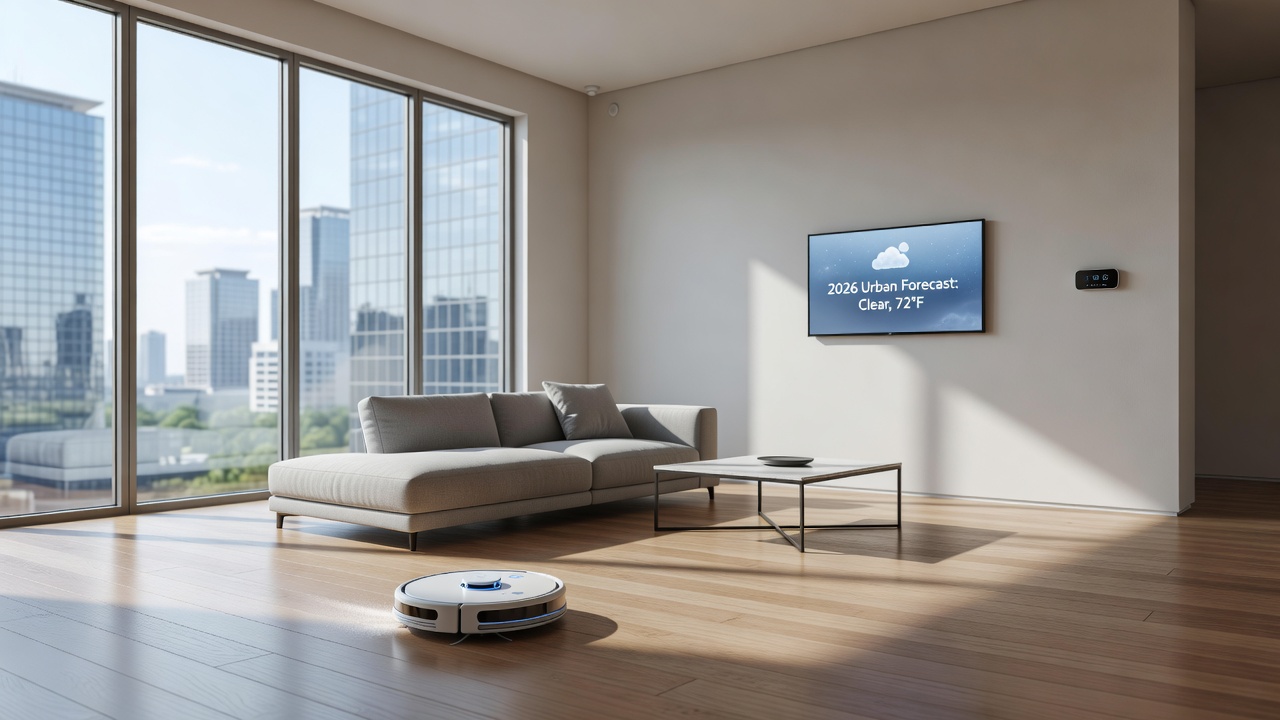
Homeowners planning renovations in 2026 are increasingly turning to robotic assistants to create seamless, hands-free living environments. These devices, including vacuums, mops, and window cleaners, integrate with smart home ecosystems to handle routine chores while blending into contemporary designs. This guide explores practical ways to incorporate them during phased upgrades, focusing on safety, compatibility, and efficiency. Robotic technology has advanced rapidly, offering features like AI mapping, multi-surface adaptability, and app-based controls that make daily maintenance effortless. By embedding these tools into renovation plans early, homeowners can achieve a future-proof home that prioritizes convenience without sacrificing aesthetics or functionality.
Selecting Pet- and Child-Safe Robotic Models
When choosing robots for homes with children or pets, prioritize models with advanced sensors that detect obstacles and avoid hazards. Look for features like cliff sensors, anti-collision technology, and low-noise operation to prevent startling young ones or animals. Brands offering pet-specific modes that adjust suction power are ideal for fur-heavy households. Always verify certifications for safety standards before purchase. Consider models equipped with 360-degree cameras or lidar for precise navigation around play areas and pet beds. Real-world testing shows that units with automatic height adjustment handle transitions between carpets and hard floors smoothly, reducing the risk of tipping or entanglement. Homeowners should also evaluate battery life to ensure coverage of large spaces without frequent recharging interruptions during family activities.
Step-by-Step Setup with Voice Assistants
Integrating robotic devices with voice assistants like Amazon Alexa or Google Assistant begins with ensuring Wi-Fi connectivity. Download the manufacturer's app, connect the robot, and link it to your smart hub. Then, enable voice commands for scheduling cleanings. Test integrations thoroughly during renovations to avoid disruptions. For example, set routines that activate robots after family departures. Follow these detailed steps for success: first, update your router firmware for stable connections; second, create dedicated user profiles in the app for different household members; third, calibrate the robot's mapping feature by running an initial empty-room scan; and fourth, program voice routines such as 'Alexa, start vacuuming the living room.' Troubleshooting common issues includes resetting network settings if commands fail and ensuring firmware is current to prevent compatibility glitches with evolving smart ecosystems.
Learn more about energy-efficient home tech from the U.S. Department of Energy.
Comparing Leading 2026 Robot Brands for Energy Use
Energy consumption varies significantly among 2026 models. Compare battery life and charging efficiency when evaluating options for long-term savings. Some brands excel in low-power standby modes, making them suitable for eco-conscious renovations. Review independent tests for real-world performance data to select models that align with your home's energy goals. Leading options often feature lithium-ion batteries with optimized charging cycles that minimize waste. Homeowners can benefit from comparing runtime per charge, with top performers offering extended operation on varied floor types. Eco-friendly models incorporate regenerative braking during docking, further reducing overall household energy draw. This focus on efficiency supports broader sustainability efforts during major home upgrades.
Design Tips for Discreet Charging Stations
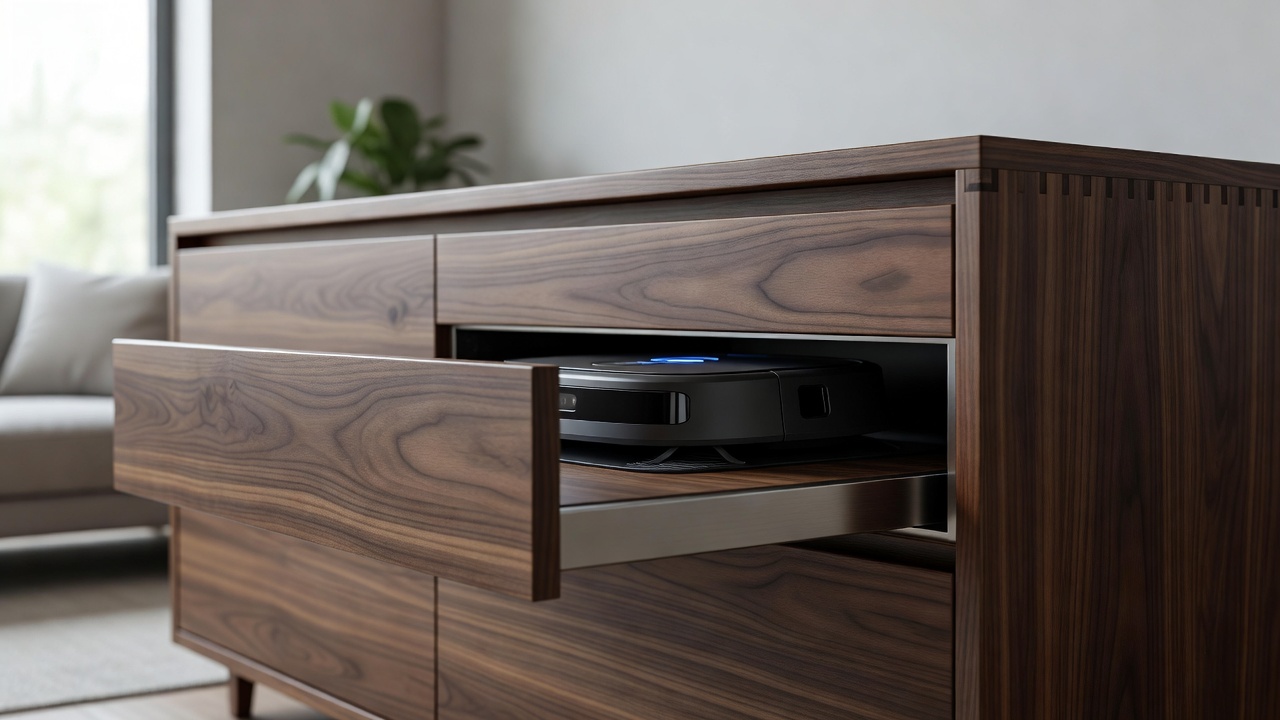
Charging docks should complement your interior design rather than stand out. Install them in built-in cabinetry or behind furniture during renovations. Use matching materials and colors to hide stations seamlessly. Consider placement near power sources while ensuring clear robot access paths for uninterrupted operation. Additional ideas include recessed wall niches painted to match surrounding trim or modular furniture pieces that double as charging hubs. In open-plan spaces, align docks with baseboards for a built-in appearance. Professional designers recommend testing robot approach angles during the renovation phase to prevent future obstructions from new decor elements.
Real-Home Examples and Cost-Benefit Analysis
In a suburban family home, integrating a robotic mop with existing smart lighting created a fully automated cleaning schedule that reduced manual effort by half. Another urban apartment used window-cleaning robots to maintain high-rise views without scaffolding. A third example involved a multi-level house where zoned mapping allowed separate cleaning for pet areas and living zones, improving air quality and reducing allergens. Benefits include time savings and consistent cleanliness, though initial setup requires careful planning to maximize returns during phased projects. The long-term advantages often outweigh upfront investments through lower labor costs and improved home maintenance consistency.
Practical Steps for Integration During Phased Renovations
Start by mapping high-traffic zones before construction begins. Install necessary outlets and network extenders in planned locations. Coordinate with contractors to route cables discreetly. Test each robot in isolation first, then gradually expand to full-home coverage as rooms are completed. This methodical approach minimizes downtime and allows for adjustments based on actual usage patterns observed over several weeks.
Mistakes to Avoid
- Overlooking floor transitions that can trap robots mid-cycle.
- Ignoring software updates that enhance navigation accuracy.
- Placing charging stations in high-traffic areas prone to accidental bumps.
- Failing to account for seasonal changes like increased pet shedding or holiday decorations.
Maintenance and Long-Term Care Tips
Regular filter cleaning and brush inspections extend device lifespan significantly. Schedule quarterly deep cleans of the robot's sensors and wheels. Monitor app notifications for performance alerts and replace parts proactively. These habits ensure reliable operation year after year, supporting the hands-free lifestyle promised by 2026 smart home upgrades.
FAQ
- How do I ensure robots work with my existing smart ecosystem? Start with app compatibility checks and update firmware regularly.
- Are robotic cleaners safe around pets? Opt for models with advanced avoidance sensors and test in supervised sessions first.
- What design considerations apply to charging stations? Focus on concealment through custom cabinetry and strategic placement.
- How can I handle multi-story homes? Use models with stair detection or deploy separate units per level for optimal coverage.
- What network requirements support reliable performance? A strong mesh Wi-Fi system prevents dropouts during extended cleaning cycles.
By following these strategies, homeowners can achieve efficient, integrated robotic systems that enhance 2026 living spaces without compromising style or safety. Careful planning ensures these assistants become valuable, unobtrusive parts of daily life.

No comments yet. Be the first!