 Fixated on Home
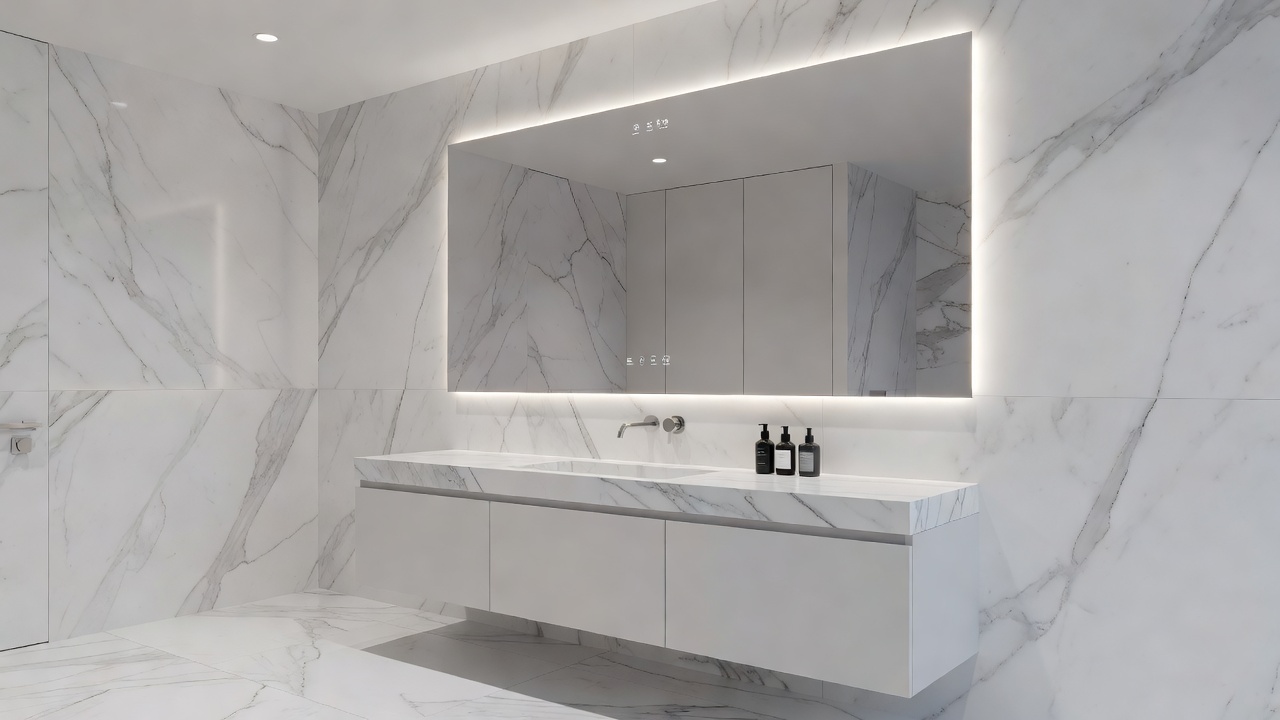
Introduction to Smart Mirrors in Home Renovations
Homeowners renovating their spaces increasingly seek ways to blend technology with aesthetics. Smart mirrors offer a sophisticated solution, serving as both functional fixtures and interactive displays that elevate modern home design without major layout changes. These advanced mirrors combine traditional reflective surfaces with embedded technology such as touchscreens, sensors, and connectivity modules. As a result, they transform everyday routines into seamless experiences while preserving the clean lines and minimalist appeal that define contemporary interiors. Whether updating a master bathroom or adding flair to an entryway, smart mirrors provide practical upgrades that align with current trends in smart home integration. The appeal lies in their ability to deliver multiple benefits simultaneously, including real-time information access and automated controls that eliminate the need for separate devices cluttering surfaces.
During renovations, these mirrors help maintain visual harmony in spaces where every element counts. They support seamless tech integration that feels natural rather than intrusive, making them ideal for homeowners who want modern conveniences without sacrificing style or requiring extensive structural modifications.
Types of Smart Mirrors with Built-in AI Features
Several categories of smart mirrors exist to match varying homeowner needs and room functions. Entry-level models feature basic voice activation through built-in assistants and simple lighting adjustments for daily use. Mid-range options incorporate responsive touch interfaces along with basic health metrics such as weight or posture tracking when paired with external compatible devices. Premium versions leverage advanced AI for facial recognition, detailed skin analysis, posture correction guidance, and mood-based lighting suggestions derived from learned user patterns over time.
Additional specialized models include those with integrated cameras for virtual try-on experiences in dressing areas or wellness-focused units that monitor heart rate trends and offer guided breathing exercises. When selecting a type, evaluate the primary installation room and desired interactivity level. Bathroom mirrors, for example, often prioritize humidity resistance and anti-fog coatings alongside their AI capabilities to ensure reliable performance in moist environments.
Step-by-Step Installation Process
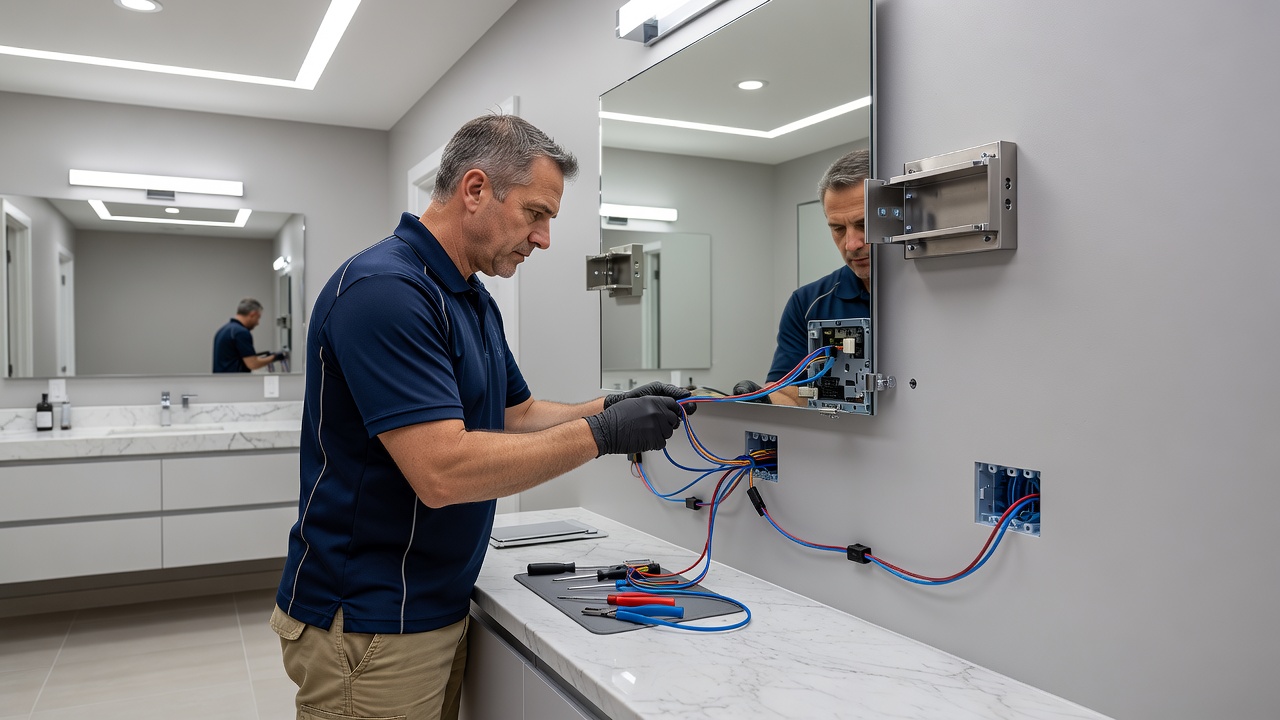
Proper installation ensures both longevity and optimal performance throughout years of use. Begin by assessing wall structure for load-bearing capacity and confirming nearby electrical access or conduit pathways. Gather tools such as a laser level, cordless drill, wire strippers, cable management clips, and manufacturer-supplied mounting brackets. Accurately measure the mirror dimensions to mark placement points, double-checking for level alignment to avoid future adjustments.
Secure the mounting frame firmly into wall studs or heavy-duty anchors rated for the mirror's weight. Route power and data cables behind the wall surface where feasible to preserve clean aesthetics. Connect the unit to the home electrical system following local codes, then configure network settings via the on-screen setup wizard. Test every feature including touch sensitivity, voice response, lighting zones, and sensor accuracy before completing the project. For older properties, plan extra time to adapt existing wiring runs without compromising insulation or framing.
Professional electricians or smart home installers can handle complex integrations, reducing risk of errors. Common pitfalls include overlooking ventilation around electronics or failing to account for future access needs during maintenance.
Compatibility with Existing Smart Ecosystems
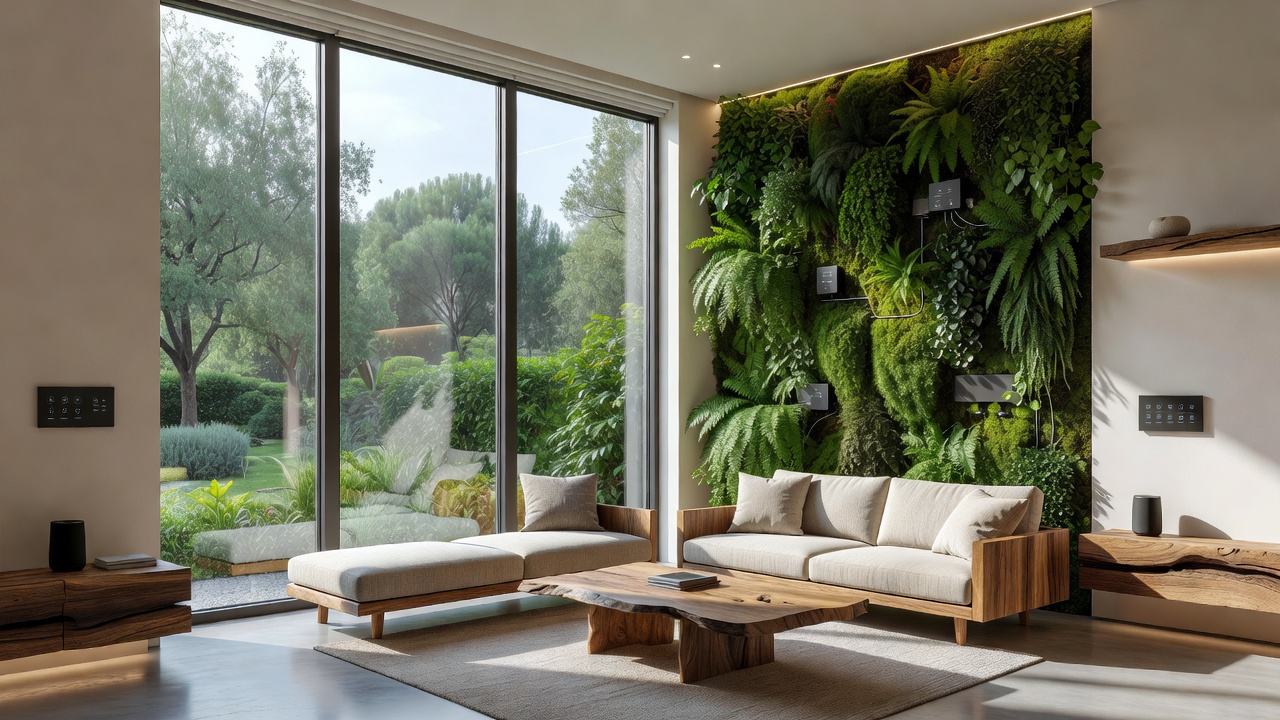
Integration expands usefulness dramatically when mirrors connect with established platforms including Amazon Alexa, Google Home, and Apple HomeKit. Confirm support for protocols such as Zigbee, Z-Wave, or standard Wi-Fi during the selection process. Once linked, the mirror can orchestrate lighting scenes, modify thermostat settings, or stream live security feeds through voice commands or app controls. Many units also interface with popular hubs, enabling centralized management from one dashboard. Verifying compatibility early avoids ecosystem fragmentation and creates a unified smart home environment that grows with additional devices over time.
Energy-Saving Advantages
Smart mirrors promote household efficiency via intelligent lighting systems and power management features. LED backlighting uses significantly less electricity compared with older technologies. Automatic dimming triggered by ambient light sensors cuts consumption during bright daytime periods. For further guidance on residential energy strategies, consult resources at energy.gov and energystar.gov. Certain models analyze usage data and recommend adjustments, allowing homeowners to reduce overall utility loads while retaining full functionality and convenience.
Comparing Costs Versus Traditional Options
Smart mirrors require a larger initial outlay than conventional mirrors yet deliver extended value through robust construction, multifunction capabilities, and decreased reliance on separate accessories. Standard mirrors often need more frequent replacement in humid zones and provide zero interactive or data-driven benefits. Over the lifespan of a renovation project, the added features in smart models justify the difference by improving daily routines and supporting ongoing efficiency gains.
Practical Benefits Like Health Tracking and Lighting Control
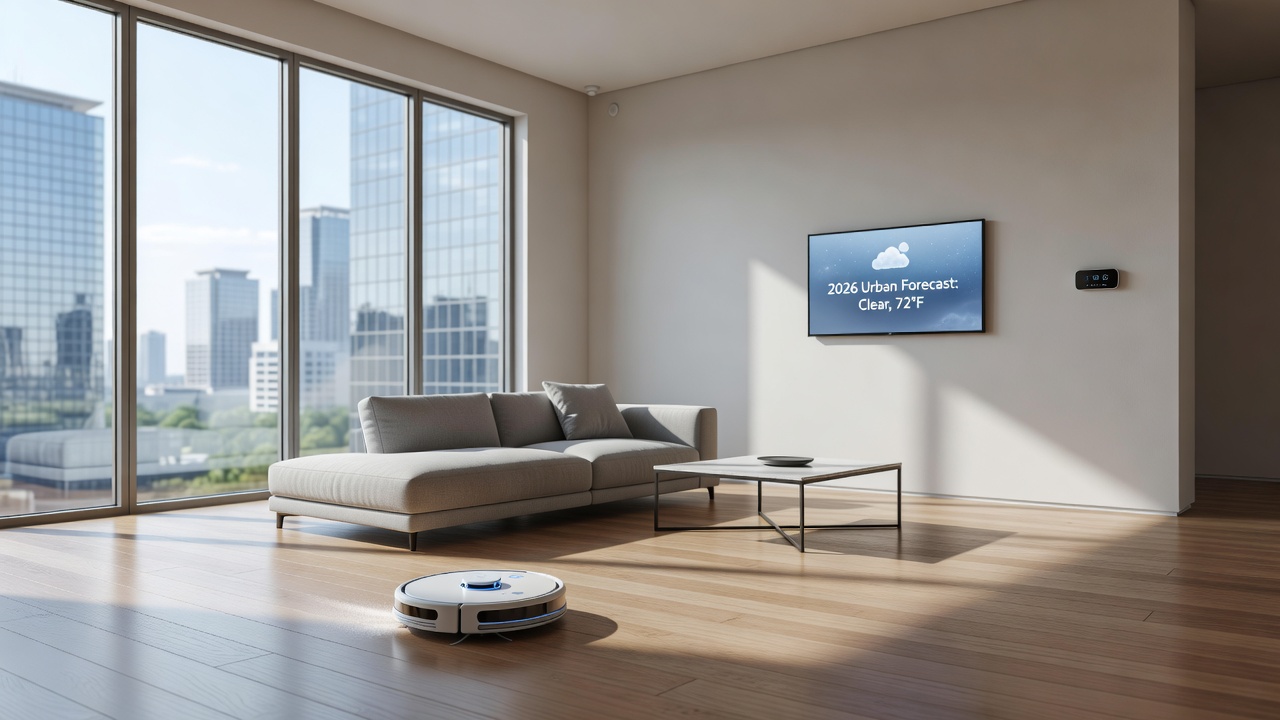
These mirrors extend well beyond surface-level design enhancements. Health tracking utilizes cameras and sensors to record metrics such as body composition trends or sleep consistency when synced with wearable technology. Lighting controls enable precise color temperature tuning for grooming tasks or evening relaxation. Real-world examples from renovated homes include frameless smart mirrors installed above floating vanities in spa-style bathrooms that function as complete wellness stations, or entryway units displaying weather forecasts and schedules to optimize morning departures.
Visual Examples from Contemporary Spaces
Contemporary apartments frequently feature slim smart mirrors mounted on floating vanities, visually expanding compact rooms. Larger residences position statement mirrors with customizable frames as central elements in dressing rooms or powder baths. These thoughtful placements illustrate how embedded technology can complement rather than compete with architectural details and material choices.
Conclusion
Smart mirrors represent a forward-thinking addition to home upgrades, balancing innovation with style while addressing practical renovation goals and long-term usability needs.
FAQ
- How do smart mirrors handle privacy? Most models provide physical camera shutters or simple software toggles to deactivate microphones and cameras when idle, combined with encrypted connections for any stored data. Additional controls allow users to review and delete activity logs at any time.
- What maintenance is required? Routine care involves gentle cleaning with microfiber cloths and approved solutions, regular firmware updates through the companion app, and periodic inspection of mounting hardware and cable connections to sustain reliable operation.
- Can they be retrofitted into older homes? Wireless connectivity options and surface-mount designs make adaptation straightforward across diverse styles, including historic properties where minimal wall penetration is preferred.
- Are smart mirrors suitable for all room types? While bathrooms remain the most common application, entryways, bedrooms, and home gyms also benefit from tailored models designed for lower humidity or different mounting orientations.
No comments yet. Be the first!