 Fixated on Home
Introduction to Biophilic Smart Home Design in 2026
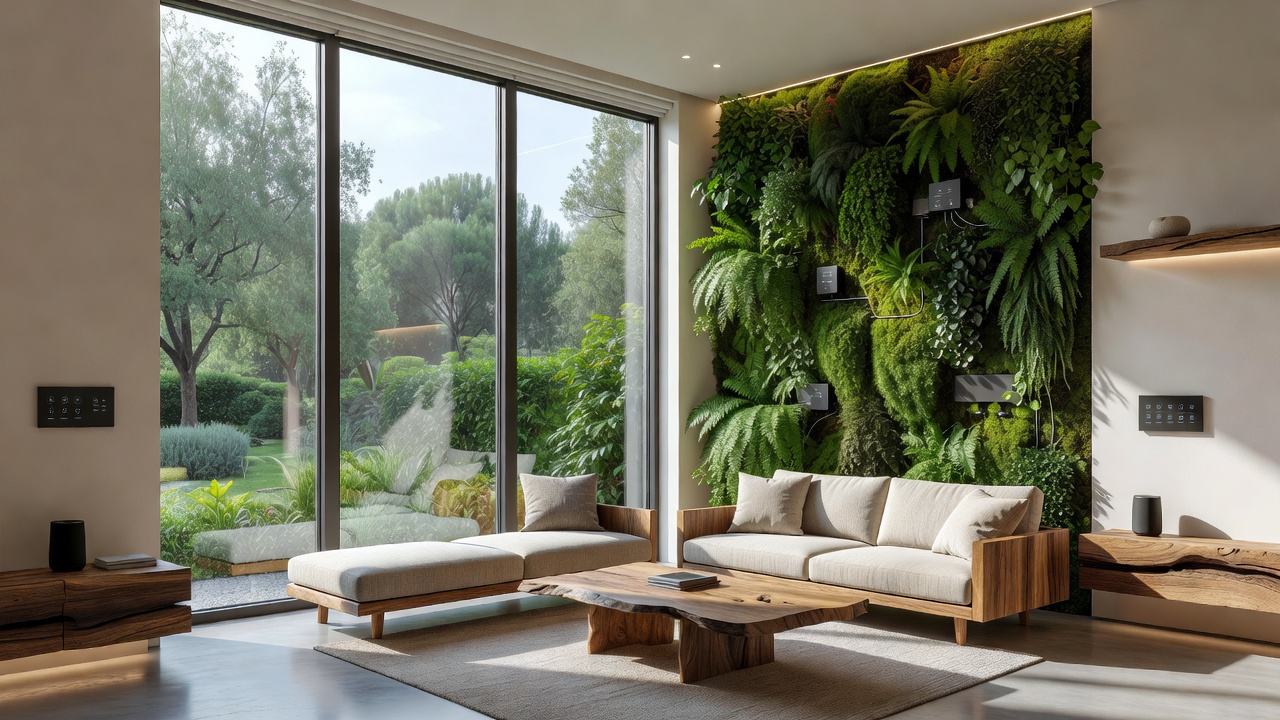
Biophilic smart home upgrades combine the restorative power of nature with cutting-edge technology to create living spaces that enhance wellbeing and sustainability. Homeowners undertaking modern renovations increasingly seek ways to integrate organic elements like plants and natural light with automated systems for improved air quality, mood, and energy efficiency. This approach aligns with growing awareness of how indoor environments affect health, supported by resources from organizations like the World Health Organization. In 2026, the trend emphasizes holistic renovations where technology serves nature rather than overshadowing it, resulting in homes that feel alive and responsive.
As renovations evolve, the focus shifts toward seamless integration rather than standalone features. These upgrades not only boost aesthetics but also support mental health by fostering connections to the natural world while leveraging smart controls for convenience. Homeowners report reduced stress levels and better sleep patterns after implementing such designs, making them a worthwhile investment for long-term livability.
Understanding the Core Principles
Biophilic design emphasizes direct and indirect experiences of nature, such as visual connections to plants and dynamic lighting that mimics daylight cycles. When paired with smart home technology, these principles become dynamic and responsive. Sensors monitor humidity and plant health, while apps allow remote adjustments to lighting and irrigation. This synergy creates environments that adapt to occupants' needs throughout the day, promoting circadian alignment and reducing the disconnect from outdoor environments common in urban living.
Key principles include prospect and refuge, where spaces offer both open views and sheltered nooks enhanced by greenery, and the incorporation of natural patterns through textured materials paired with digital interfaces. Understanding these foundations helps homeowners avoid superficial additions and instead build meaningful, integrated systems.
Automated Plant Care Systems
Automated plant care represents one of the most accessible entry points for biophilic upgrades. Smart pots and irrigation systems use soil moisture sensors, LED grow lights, and AI algorithms to maintain optimal conditions for indoor greenery. In a typical 2026 renovation, homeowners install networked systems that send alerts via smartphone apps when plants require attention, reducing maintenance time while ensuring thriving vegetation. These systems often include pH monitoring and nutrient dosing features that adjust automatically based on plant species profiles stored in the cloud.
Practical steps include assessing existing plant placements for sunlight exposure, selecting compatible smart devices that integrate with voice assistants, and calibrating initial settings during the first week of use. Real-world examples from recent projects show living rooms transformed with self-watering vertical gardens that respond to seasonal light changes, turning once-neglected corners into vibrant focal points. Additional examples include kitchen herb walls that harvest automatically and bedroom air-purifying setups linked to sleep tracking devices.
Dynamic Natural Lighting Controls
Dynamic lighting systems simulate natural sunlight patterns using tunable LED fixtures controlled by smart hubs. These setups adjust color temperature and intensity automatically based on time of day or occupancy sensors, promoting circadian rhythms and reducing reliance on artificial lighting. Integration with window shades that open and close via apps further enhances the biophilic effect by allowing controlled daylight penetration without glare or heat buildup.
Implementation begins with evaluating room orientations and installing compatible bulbs or fixtures that support full-spectrum output. Comparisons reveal that tech-enhanced versions outperform standard upgrades by offering energy savings, personalized schedules tailored to family routines, and data logs that help refine settings over time. Homeowners can layer these controls with outdoor sensors for even more accurate mimicry of local weather patterns.
Living Walls with Embedded Sensors
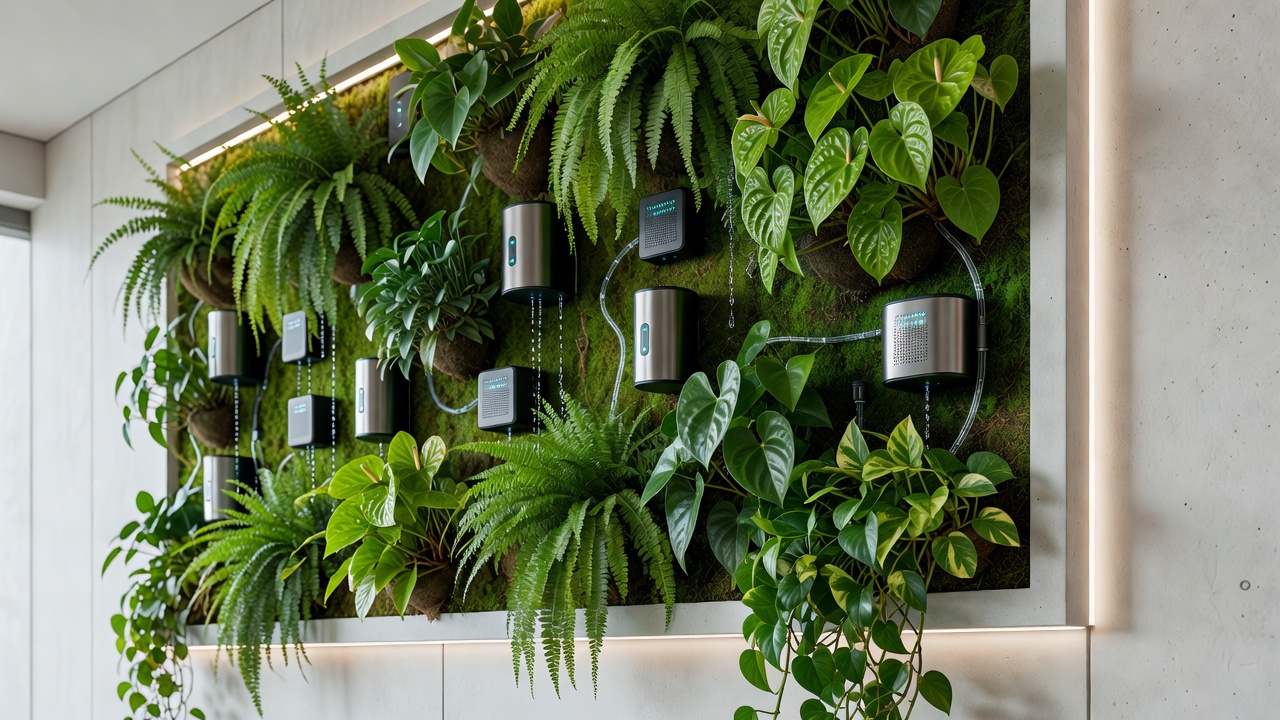
Living walls equipped with embedded sensors take biophilia to new heights by monitoring plant vitality, air quality, and structural moisture in real time. These vertical gardens use hydroponic systems paired with IoT devices to detect issues early, such as nutrient deficiencies or pest infestations. In 2026 projects, architects have incorporated these into kitchen and bedroom renovations for dramatic visual impact and functional air purification benefits, often linking them directly to home ventilation systems for optimized airflow.
Advanced models include modular panels that can be reconfigured seasonally and UV sterilization features to prevent mold. Homeowners appreciate the reduced allergens and the calming visual presence that changes subtly with sensor-driven adjustments.
Comparing Tech-Enhanced Biophilic Features vs. Standard Upgrades
- Standard Upgrades: Basic plant installations or fixed skylights provide passive benefits but require manual upkeep and lack adaptability to changing conditions like seasonal shifts or occupancy changes.
- Tech-Enhanced Features: Automated systems offer proactive management, data insights, and integration with other smart home elements like thermostats for holistic environmental control, leading to measurable improvements in air quality and user satisfaction.
- Longevity and Maintenance: While standard options may degrade faster without intervention, smart versions include predictive alerts that extend plant life and system performance over years.
- Aesthetic and Functional Balance: Tech upgrades can be concealed within natural materials, preserving organic appeal while adding layers of functionality absent in traditional designs.
Key differences include longevity, user engagement, and measurable improvements in indoor environmental quality, as noted in guidelines from the Environmental Protection Agency.
Practical Steps for Implementation
- Conduct a site assessment with a designer experienced in both biophilia and smart tech to identify priority zones and potential integration points.
- Prioritize high-impact areas like living rooms and home offices where daily exposure to nature elements yields the greatest wellbeing returns.
- Choose interoperable devices that work with existing platforms such as Apple HomeKit or Google Home to avoid future compatibility issues.
- Test systems thoroughly before full renovation completion, running simulations for different seasons and usage patterns.
- Plan for maintenance schedules and software updates by budgeting time for quarterly reviews and firmware checks.
- Document all installations with photos and manuals for future reference or resale value.
Real-World Examples from 2026 Projects
Recent renovations in urban homes have featured integrated systems where living walls communicate with HVAC units to optimize ventilation based on real-time CO2 readings. One suburban project used automated lighting to extend daylight hours in a basement conversion, resulting in a more inviting family space that doubled as a productive home office. Another coastal renovation incorporated outdoor-indoor plant bridges with sensor monitoring to blur boundaries between living areas and gardens, enhancing the sense of connection to the surrounding landscape.
Benefits for Wellbeing and Sustainability
Beyond aesthetics, these upgrades contribute to lower stress hormones, better focus, and improved respiratory health through enhanced air filtration. Sustainability gains come from reduced water usage via precision irrigation and lower electricity consumption from optimized lighting. Studies referenced by the Centers for Disease Control and Prevention highlight how nature-integrated indoor spaces support mental health outcomes, making these renovations particularly valuable for families and remote workers.
Addressing Common Integration Challenges in the FAQ
How do I ensure smart systems don't clash with natural aesthetics?
Opt for minimalist device designs and conceal wiring within custom millwork to maintain organic appeal while preserving full functionality.
What maintenance is required for sensor-embedded living walls?
Regular sensor calibration and seasonal plant rotations keep systems functioning optimally with minimal intervention, typically requiring only monthly checks.
Can these upgrades work in rental properties?
Modular, wireless options allow temporary installations that can be removed without damage, making them suitable for renters seeking temporary enhancements.
What happens if sensors fail or connectivity drops?
Most systems include backup manual modes and offline functionality, ensuring plants and lighting continue operating at baseline levels until issues are resolved.
How do I choose plants compatible with smart systems?
Focus on hardy species like pothos, snake plants, and ferns that thrive under variable sensor-controlled conditions and require less frequent adjustments.
Conclusion
Biophilic smart home upgrades offer a forward-thinking path for 2026 renovations, merging technology and nature for spaces that nurture both body and mind. By following structured implementation steps and learning from current examples, homeowners can achieve lasting benefits in comfort, health, and sustainability that evolve with their lifestyles.
No comments yet. Be the first!