 Fixated on Home
Introduction to Edge Computing in Modern Smart Homes
Smart home technology continues to evolve rapidly, with homeowners increasingly concerned about data privacy and response times. Edge computing addresses these issues by processing data locally on devices rather than relying solely on distant cloud servers. This approach reduces latency and keeps sensitive information within the home network, making it ideal for private upgrades during renovations in 2026. As more families renovate living spaces, kitchens, and bedrooms, the demand for systems that respect personal boundaries while delivering instant responses grows stronger.
Many traditional smart systems depend on constant internet connections, raising security risks and causing delays during peak usage hours. Edge solutions mitigate these problems by enabling real-time decisions at the source. Homeowners renovating spaces can integrate these technologies for seamless automation without compromising personal data. The shift toward local processing also aligns with broader trends in data protection regulations worldwide, encouraging manufacturers to prioritize on-device capabilities.
Comparing Edge and Cloud Architectures
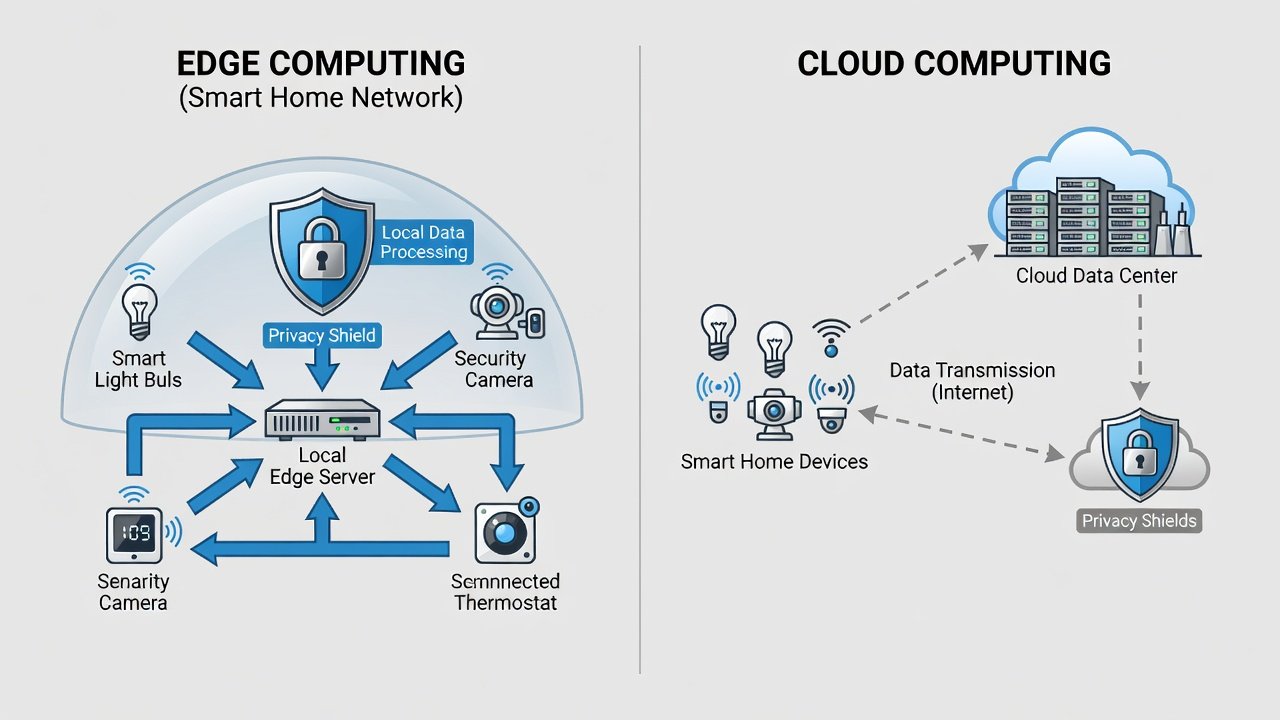
Edge computing processes information directly on or near the device, while cloud systems send data to remote servers for analysis. This fundamental difference impacts speed and security significantly. In edge setups, sensors and hubs handle tasks like motion detection instantly, avoiding network bottlenecks that plague cloud-only solutions. Homeowners often experience frustration with cloud delays during critical moments, such as security alerts or lighting adjustments.
Cloud architectures offer vast storage but introduce vulnerabilities through data transmission over public networks. For privacy-focused upgrades, edge reduces exposure by minimizing uploads of video feeds or sensor logs. A hybrid model often works best, using edge for critical functions and cloud for long-term analytics when needed. Official resources from NIST highlight best practices for securing both approaches in IoT environments, emphasizing encryption and access controls at every layer.
Key advantages of edge include lower bandwidth consumption and independence from internet outages. Cloud excels in scalability for large data sets but can feel intrusive for everyday home use. During 2026 renovations, evaluating these trade-offs helps determine whether full edge adoption or a blended setup suits the property layout and family needs.
Selecting Compatible Edge-Enabled Devices
Choosing devices requires checking for local processing capabilities and compatibility with protocols like Zigbee, Z-Wave, or Thread. Look for hubs that support on-device AI, such as those offering firmware updates for edge features. During renovations, prioritize modular systems that integrate with existing wiring and electrical panels without major rewiring.
Ensure devices handle tasks like voice recognition or environmental controls without internet access. Verify ecosystem support for popular platforms including Matter to avoid future lock-ins. Research models with strong encryption standards and regular security patches to maintain privacy throughout the upgrade process. Consider factors like power consumption, physical size for discreet placement, and warranty coverage for long-term reliability.
Practical selection steps involve auditing current devices for upgrade paths and testing sample units in a small area before full rollout. Brands that publish detailed local processing specs make this easier for homeowners tackling DIY elements of renovations.
Real-World Examples of Latency-Free Automation
Consider a smart lighting system that adjusts based on occupancy using local sensors. In edge mode, lights respond in milliseconds to movement, creating fluid experiences in renovated living rooms without any perceptible lag. This proves especially useful in multi-story homes where central cloud routing might otherwise cause noticeable delays.
Security cameras analyzing footage on-device can trigger alerts without delays, enhancing home protection while keeping recordings stored locally. Another example involves HVAC systems that optimize temperatures via edge analytics, learning household patterns locally to reduce energy waste. These setups prove valuable in 2026 renovations where aesthetics meet functionality.
Kitchen upgrades benefit from edge-enabled appliances that detect usage patterns and adjust automatically, such as smart ovens preheating based on family routines. IEEE publications discuss similar implementations showing improved reliability in residential settings, with case studies demonstrating consistent performance across varied home sizes.
Cost-Benefit Analysis for 2026 Projects
Investing in edge computing yields benefits through reduced cloud fees and enhanced performance. While initial hardware costs may be higher, long-term savings arise from lower data usage and fewer subscriptions. Privacy gains also prevent potential breaches that could lead to expensive recoveries or identity protection needs.
Qualitative advantages include faster automation and greater control over personal information. Homeowners should evaluate energy efficiency improvements from optimized local processing that adapts in real time. Overall, the balance favors edge for privacy-centric upgrades in contemporary homes, particularly when factoring in reduced dependency on external services.
Beginner-Friendly Checklist for Retrofitting Existing Setups
- Assess current devices for local processing support and update firmware where possible to unlock edge features.
- Install a dedicated edge hub compatible with your main ecosystem and test connectivity across rooms.
- Map out high-privacy areas like bedrooms and bathrooms for priority edge integration to protect sensitive routines.
- Test automation routines offline to confirm latency-free operation under various conditions.
- Review network segmentation to isolate smart devices from other household traffic for added security layers.
- Consult professional installers familiar with 2026 edge standards during renovations to ensure proper integration with new construction elements.
- Document all device settings and create backup configurations for easy restoration if issues arise.
FAQs on Compatibility with Popular Ecosystems
How does edge computing work with Apple HomeKit? Many HomeKit devices support local control, allowing edge processing for routines without iCloud dependency, though some advanced analytics may still use optional cloud features.
Is it compatible with Google Home or Amazon Alexa? Select models from these ecosystems now include edge capabilities; check for Matter protocol support to ensure interoperability across brands and reduce reliance on proprietary clouds.
What about legacy devices? Use bridges that add edge functionality to older hardware, extending their usefulness in upgraded homes while maintaining privacy controls.
Can edge systems integrate with multiple ecosystems simultaneously? Yes, through open standards like Thread and Zigbee, allowing a single hub to serve devices from different manufacturers without conflicts.
Blending with Contemporary Home Design Aesthetics
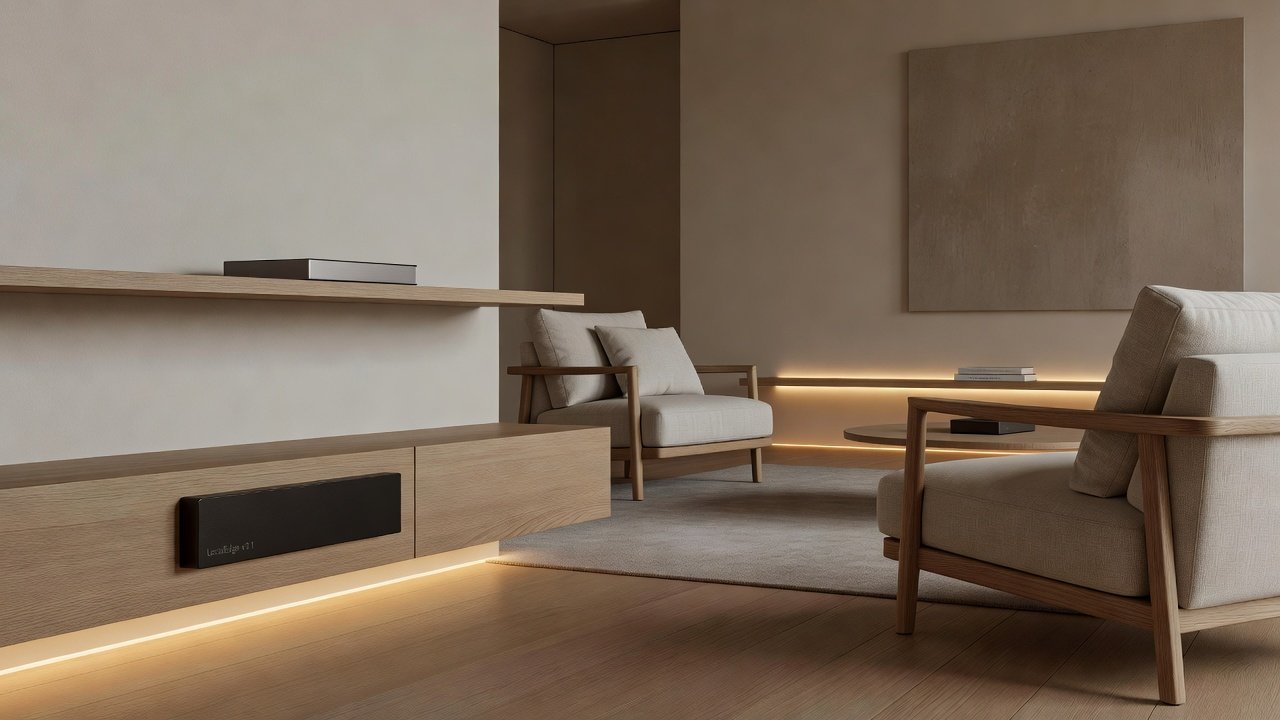
Modern renovations emphasize clean lines and minimalism. Edge devices can be concealed in walls, ceilings, or furniture while maintaining functionality. Choose neutral-colored hubs that complement interiors without visual clutter, and plan placements early in the design phase.
Integrate sensors into lighting fixtures, outlets, or even decorative elements for a seamless look. This approach preserves design integrity while delivering advanced privacy features. Additional tips include using wireless options where possible to avoid exposed cabling and selecting devices with customizable finishes that match paint or wood tones.
Security Best Practices for Edge Deployments
Beyond basic setup, implement regular firmware audits and strong local authentication methods. Segment networks to limit potential breach impacts and enable two-factor options on all hubs. Monitoring tools that run locally can alert owners to unusual activity without sending data externally.
These practices become essential during renovations when new devices are added incrementally. Staying informed through resources like those from NIST ensures ongoing protection as threats evolve.
Conclusion
Edge computing transforms smart home upgrades by prioritizing privacy and performance. By following the outlined steps, comparisons, checklists, and security guidance, homeowners can achieve reliable, secure automation tailored to 2026 standards. This technology ensures renovations result in homes that are both intelligent and protective of personal data, delivering lasting value for modern living.
No comments yet. Be the first!