 Fixated on Home
Introduction to Smart Waste Management in Eco Renovations
As homeowners pursue sustainable living through 2026 eco renovations, smart waste management systems are becoming essential components of modern home upgrades. These technologies go beyond traditional bins by incorporating sensors, artificial intelligence, and connectivity to reduce waste, improve recycling rates, and minimize environmental impact. Integrating them during renovations allows for hidden infrastructure, optimized layouts, and seamless connectivity with other smart devices. This comprehensive guide explores practical ways to blend these systems with your renovation plans, focusing on seamless integration with smart home ecosystems while supporting broader environmental goals like reduced landfill contributions and resource recovery.
The search intent behind topics like smart home upgrades often centers on achieving measurable sustainability without compromising convenience or style. Homeowners want systems that fit into daily routines, provide data-driven insights, and ultimately contribute to lower utility expenses over time through better waste diversion.
Understanding Key Technologies in Depth
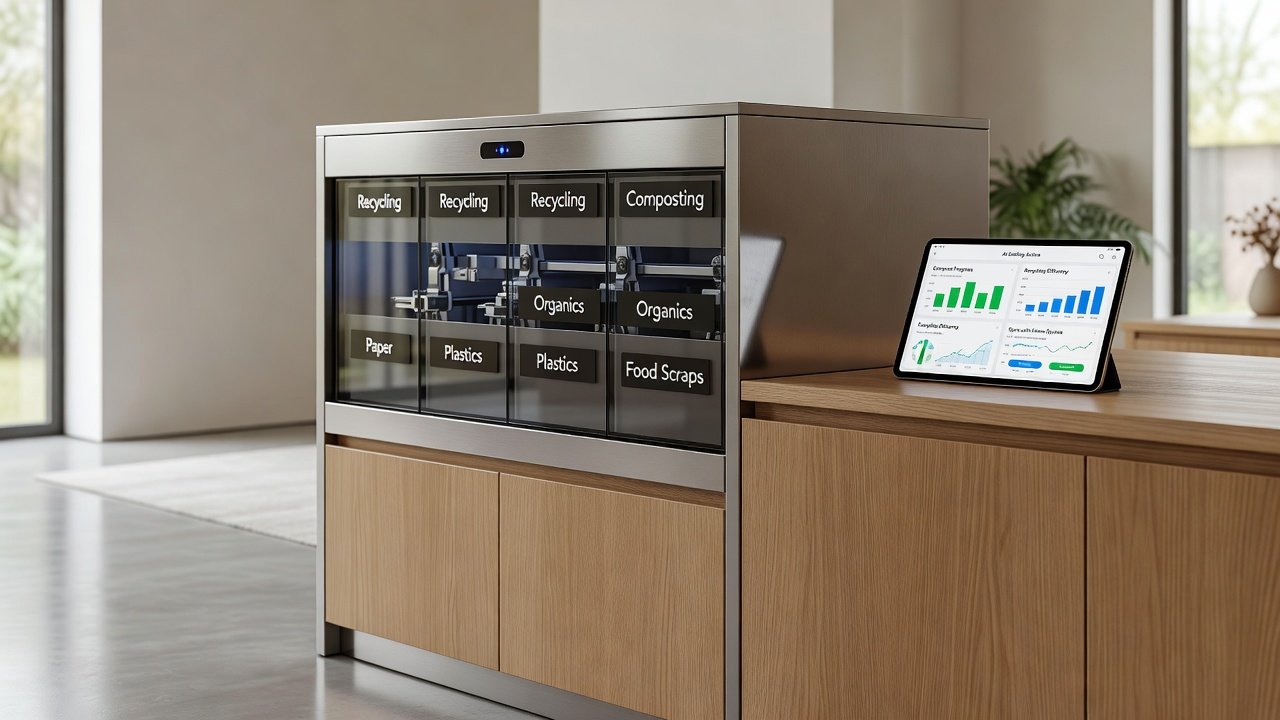
Sensor-equipped bins use ultrasonic or weight sensors to monitor fill levels in real time and notify users via apps when emptying is needed, preventing overflows and optimizing collection schedules. AI sorting tech employs cameras and machine learning algorithms to automatically categorize waste into recyclables, compostables, and landfill items with high accuracy, reducing contamination that often plagues manual sorting. App-controlled composting units maintain optimal conditions through automated aeration, temperature regulation, and moisture control, turning organic waste into usable fertilizer for gardens or houseplants.
These innovations support sustainable living goals by cutting down on contamination in recycling streams and diverting organics from landfills. Advanced models also track waste composition over time, offering users personalized reports that highlight opportunities for further reduction at the source, such as adjusting purchasing habits to minimize packaging waste.
Step-by-Step Installation Examples for Different Home Areas
Begin by assessing your kitchen and utility areas during the renovation planning phase. For kitchen setups, install sensor bins under countertops with wireless connectivity to your home network, ensuring they align with cabinet dimensions and include easy-access doors. For AI sorting stations, position them near high-traffic zones like the garage entry or pantry and calibrate the system using manufacturer apps over a two-week period to train the recognition models on your specific waste types.
Composting units require careful ventilation planning—integrate them into outdoor-adjacent spaces with smart exhaust fans linked to humidity sensors. In multi-story homes, consider distributed sensor bins on each level connected through a mesh network. Always test connectivity during installation and involve electricians early if hardwiring is required for power-hungry units. Document each step with photos for future maintenance reference.
Blending Systems with Home Design Aesthetics
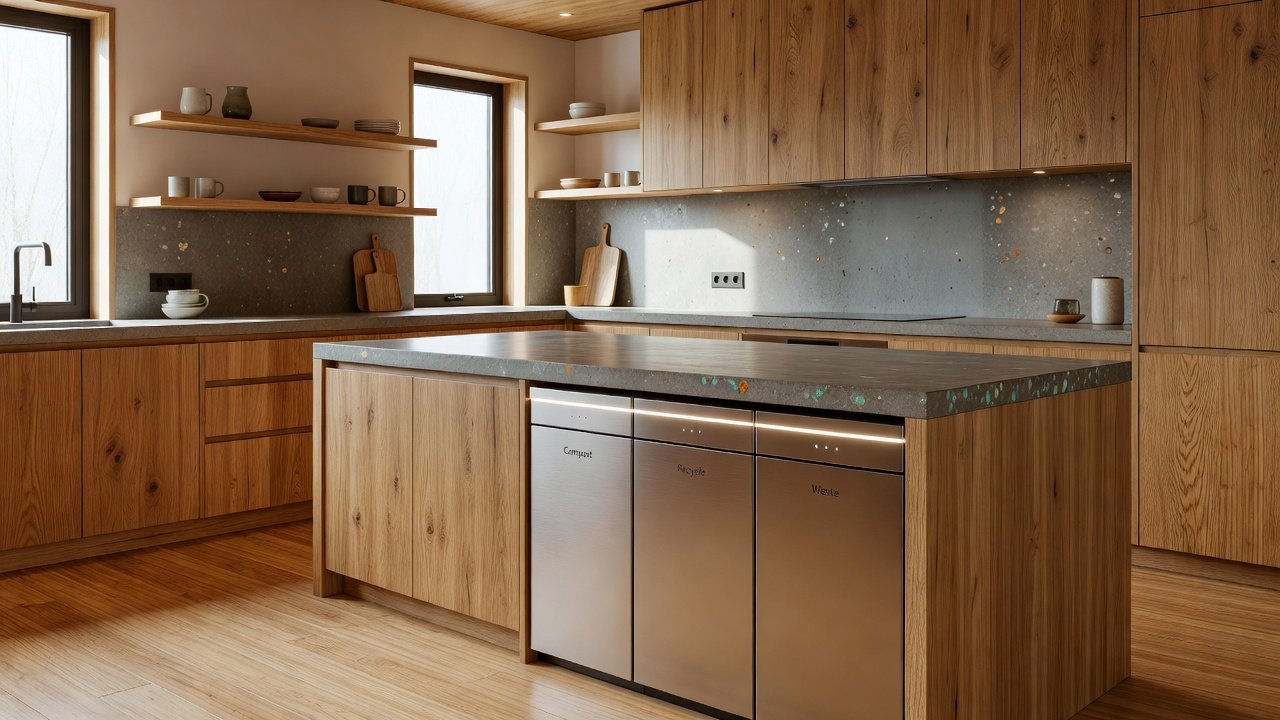
Modern units feature sleek, minimalist designs in neutral tones that complement contemporary interiors, from matte black finishes to wood-veneer panels that match cabinetry. Choose modular systems that fit within existing cabinetry or hidden compartments to maintain clean lines and avoid visual clutter. During renovations, coordinate with interior designers to ensure waste stations enhance rather than disrupt visual flow, perhaps incorporating them into islands or behind decorative screens.
Lighting integration is another consideration—subtle LED indicators can signal status without overpowering the room's ambiance. This approach turns functional waste management into an invisible yet impactful element of the overall design scheme.
Maintenance Tips for Long-Term Performance
- Schedule monthly sensor calibrations using the companion app to ensure accurate fill-level readings and prevent false alerts.
- Clean AI camera lenses weekly with microfiber cloths to prevent misclassifications caused by dust or residue buildup.
- Monitor composting moisture levels via app alerts and adjust seasonally, adding dry materials in humid months or water in dry periods.
- Update firmware regularly for improved sorting algorithms and security patches that protect against network vulnerabilities.
- Inspect seals and moving parts quarterly to avoid mechanical failures, especially in high-use households.
- Review waste composition reports monthly to refine household habits and maximize system efficiency.
Integration with Existing Smart Ecosystems
Link waste systems to platforms like Google Home or Amazon Alexa for voice commands and automated routines. For example, trigger notifications when bins reach capacity or sync composting data with energy management apps to correlate waste patterns with overall household consumption. This creates a cohesive smart home upgrades experience that tracks sustainability metrics across devices, such as combining waste data with smart thermostat readings for holistic eco-insights.
Many systems also support IFTTT protocols, allowing custom automations like turning on exhaust fans when composting activity increases. Ensure compatibility checks during the renovation phase to avoid later integration challenges with legacy smart hubs.
Practical Comparisons of 2026 Models and Budget Approaches
Entry-level systems emphasize basic sensors with reliable app control, suitable for small apartments focusing on fill-level monitoring. Mid-range options add AI sorting for households focused on high recycling volumes and accuracy improvements. Premium models include full composting integration and predictive analytics based on household patterns, ideal for larger properties committed to zero-waste targets. Evaluate based on space constraints, connectivity needs, and long-term durability rather than features alone. Consider modular upgrades that allow starting small and expanding as renovation budgets permit.
FAQs on ROI for Utility Savings and Practical Concerns
How quickly do these systems pay for themselves? Savings arise from reduced waste collection fees and lower grocery costs via home composting, though timelines vary by usage intensity and local service rates.
Are they compatible with older homes? Yes, with minor wiring updates during renovations, most systems retrofit easily into existing setups without major structural changes.
What about data privacy? Reputable brands use encrypted connections and local processing to protect user information from external access.
Can they handle large families? Scalable designs accommodate higher volumes through multiple connected units and faster processing cycles.
Real-World Case Examples from Recent Renovations
In a suburban kitchen overhaul completed earlier this year, homeowners incorporated AI sorting stations that increased recycling accuracy significantly while blending into custom cabinetry. The family reported streamlined routines and better engagement from children in sustainable practices. Another urban loft project used app-controlled composting to produce garden-ready soil within months, aligning perfectly with the property's green roof addition and reducing external fertilizer needs. A third example involved a whole-home retrofit where distributed sensor bins connected to a central dashboard helped track progress toward municipal sustainability certifications. These examples highlight how smart waste solutions elevate both functionality and eco-credentials in 2026 renovations.
Common Mistakes to Avoid During Implementation
One frequent error is overlooking ventilation requirements for composting units, leading to odor issues that require costly retrofits. Another is failing to test AI calibration thoroughly, resulting in persistent sorting errors. Homeowners sometimes neglect aesthetic planning, causing systems to clash with design themes. Always involve professionals early and prioritize user training to ensure family-wide adoption.
For more on sustainable practices, visit EPA resources and explore energy-efficient home insights at Energy Star guidelines.
Conclusion
Smart waste management represents a forward-thinking addition to any 2026 eco renovation, combining technology with practical sustainability. By planning installations carefully, maintaining systems diligently, and integrating them thoughtfully into smart ecosystems, homeowners can achieve meaningful environmental benefits alongside enhanced daily convenience. Start with an assessment of your space and priorities to select the right combination of technologies for lasting impact.


No comments yet. Be the first!