 Fixated on Home
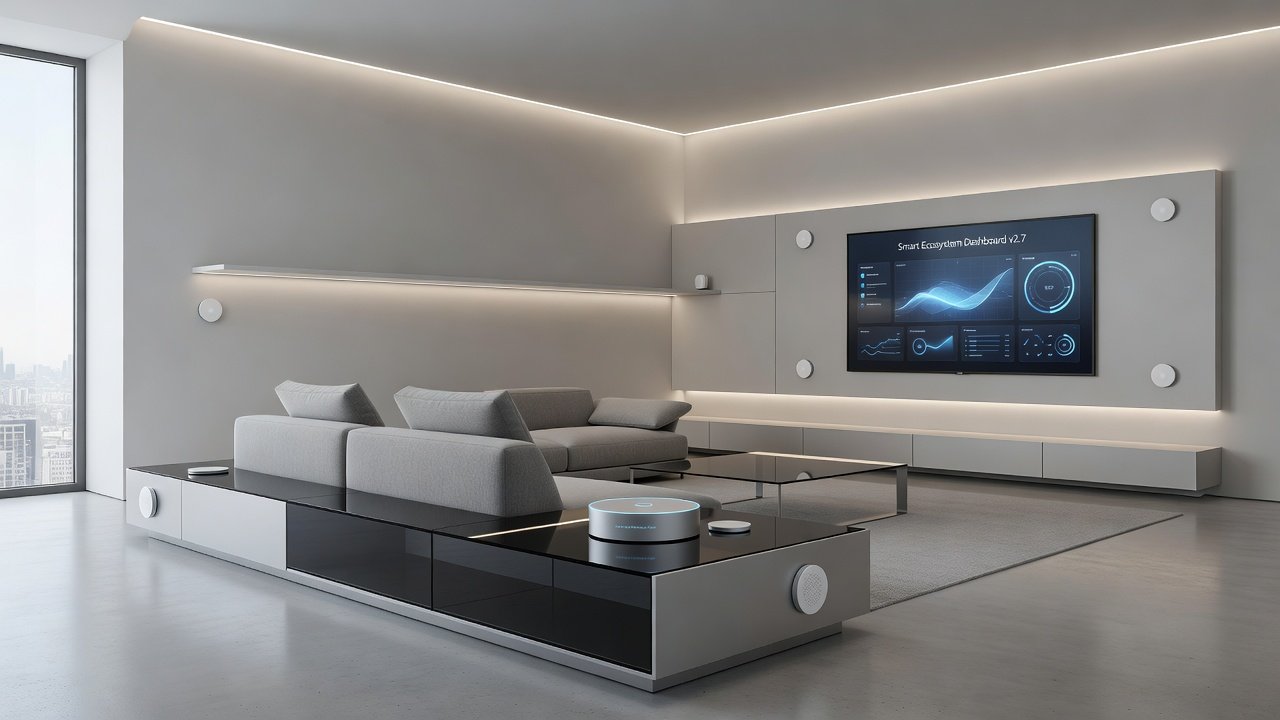
Introduction to Future-Proof Smart Home Planning
Homeowners renovating in 2026 face a rapidly evolving technology landscape. Future-proofing smart home upgrades means selecting systems that remain relevant through 2027 and beyond. This guide focuses on modular approaches that support scalability, compatibility with new standards, and seamless integration during modern renovations. By prioritizing infrastructure assessment and ecosystem choices, you can avoid costly replacements later. The emphasis is on long-term value rather than short-term trends, helping families adapt to changing needs like remote work, aging in place, or energy efficiency demands.
Smart home technology is advancing quickly with new protocols and device types emerging yearly. A well-planned upgrade protects your investment by allowing incremental additions without disrupting the entire system. This article provides detailed strategies, real examples, and decision frameworks to guide your 2026 renovation project toward lasting success.
Assessing Your Current Infrastructure
Before any upgrades, evaluate existing wiring, network capacity, and power distribution. Start with a professional audit of your electrical panel and Ethernet backbone. Homes built before 2015 often need updated cabling to handle increased device loads from sensors and hubs. Inspect for outdated coaxial or telephone wiring that may interfere with modern wireless signals.
Check Wi-Fi coverage across all floors and consider adding mesh nodes early. This step prevents bottlenecks when adding expandable devices in future years. Measure signal strength in every room using free apps and identify dead zones where additional access points or wired backhaul would help. Consider powerline adapters as a bridge solution in older homes where running new Ethernet is impractical. Document everything in a simple spreadsheet for reference during phased installations.
Comparing Open vs Proprietary Ecosystems
Open ecosystems like those based on Matter and Zigbee standards offer greater flexibility. They allow devices from multiple manufacturers to communicate without vendor lock-in. Proprietary systems from single brands may provide polished apps but limit future expansion. Open standards promote interoperability, meaning your 2026-installed sensors can work with 2028-introduced devices.
Research shows open protocols reduce long-term costs by enabling easier upgrades. For details on interoperability standards, refer to resources from NIST. Homeowners should weigh convenience against adaptability when deciding. Proprietary ecosystems often excel in seamless user interfaces and customer support but can become expensive if the company discontinues support. Open systems require more initial research yet deliver superior longevity when standards evolve.
Examples of Expandable Systems
Modular sensors for lighting, security, and climate control exemplify future-ready design. These units connect to central hubs that support firmware updates and new protocol additions. Popular choices include systems with interchangeable modules for motion detection and environmental monitoring. Hubs with multi-protocol support act as the brain, allowing incremental additions without full system overhauls. 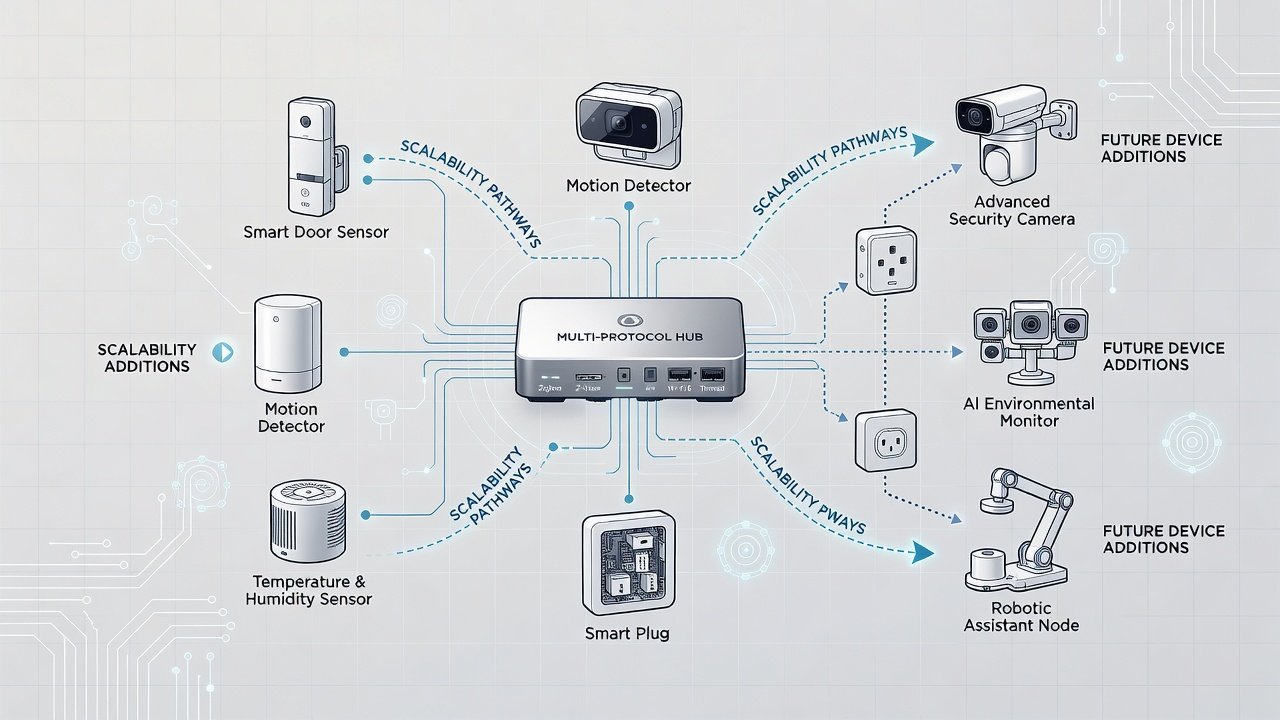
Consider sensor platforms that let you swap modules for new functions, such as converting a basic motion detector into an air quality monitor. This approach supports lifestyle changes like adding pet monitoring or expanding to outdoor zones later. Real installations demonstrate how starting with a core hub and five sensors can grow to twenty devices over three years without replacing the original hardware.
Step-by-Step Planning Process
Follow this structured approach for comprehensive results. First, document current device inventory and network map. Second, identify high-priority areas for upgrades, such as entry points and living spaces. Third, select core hubs with open standards support first. Fourth, test modular sensors in one room before full rollout. Fifth, schedule phased installations aligned with renovation timelines. Sixth, review compatibility quarterly as new standards emerge. Each phase includes testing intervals to verify performance before expanding.
Cost-Benefit Comparisons and Practical Ideas
Investing in modular components yields better returns over five years compared to fixed proprietary setups. Focus on scalable hubs and sensors that grow with household needs, such as adding eldercare monitoring later. Practical renovation ideas include pre-wiring for future modules during wall openings and placing hubs in central, ventilated locations. Integrate with existing decor for modern designs that feel timeless. During kitchen or living room renovations, run conduit in walls to accommodate future cabling without demolition.
Compare options by evaluating upgrade paths rather than upfront features alone. Modular systems often require less professional labor for expansions because homeowners can add devices themselves after initial setup. This reduces ongoing expenses while maintaining system integrity.
Real-World Case Examples
One suburban home in the Midwest completed a 2026 renovation using a Matter-compatible hub and modular sensors. The owners started with security and lighting controls, then added energy monitoring modules two years later without rewiring. Another urban apartment project integrated expandable climate sensors that adapted when the family grew, incorporating air quality tracking for infant rooms. These cases highlight how flexible planning supports multi-year flexibility and avoids obsolescence.
Mistakes to Avoid
- Choosing closed ecosystems that restrict third-party devices.
- Skipping infrastructure upgrades like network cabling during renovations.
- Ignoring firmware update policies when selecting hubs.
- Overloading a single hub beyond its recommended device capacity.
- Failing to create a documented expansion roadmap at the start.
FAQs on Avoiding Obsolescence
How do I prevent my smart home from becoming outdated? Choose devices supporting open standards like Matter and plan for regular firmware updates. This ensures compatibility with future protocols.
What if new protocols emerge after installation? Select hubs designed for over-the-air protocol additions to maintain compatibility without hardware swaps. Many current models already support this capability.
Are there real-world examples? Many updated homes now use modular sensor arrays that expanded from basic security to full energy management over three years, demonstrating multi-year flexibility.
Long-Term Maintenance Strategies
Schedule annual reviews of your system to assess performance and plan additions. Keep firmware current and maintain a spare module inventory for quick replacements. Partner with installers who understand modular design for complex expansions. These practices extend the useful life of your 2026 upgrades well into the next decade.
Conclusion
Future-proofing smart home upgrades requires deliberate choices around modularity and standards. By following structured planning, homeowners achieve renovations that deliver lasting value through 2027 and beyond. Begin your assessment today to build a resilient system tailored to tomorrow's possibilities.

No comments yet. Be the first!