 Fixated on Home
Introduction
Homeowners in 2026 increasingly seek ways to merge cutting-edge smart home technology with enduring design principles. The goal is seamless functionality without compromising the visual harmony of timeless interiors. This guide explores proven approaches for discreet integration, drawing from recent renovation projects and expert practices across multiple property types. Balancing innovation and tradition requires careful selection of devices, thoughtful material choices, and strategic spatial planning. Whether updating a historic residence or refining a modern space, the focus remains on invisible tech that enhances daily living while respecting architectural heritage and contemporary minimalism alike.
Many homeowners worry that adding automation will introduce unsightly hubs, exposed wires, or mismatched finishes. However, with deliberate planning, smart features can support rather than dominate the design narrative. This article provides in-depth guidance on achieving that balance through real-world examples, decision frameworks, and implementation sequences.
Understanding the Balance Between Technology and Timeless Design
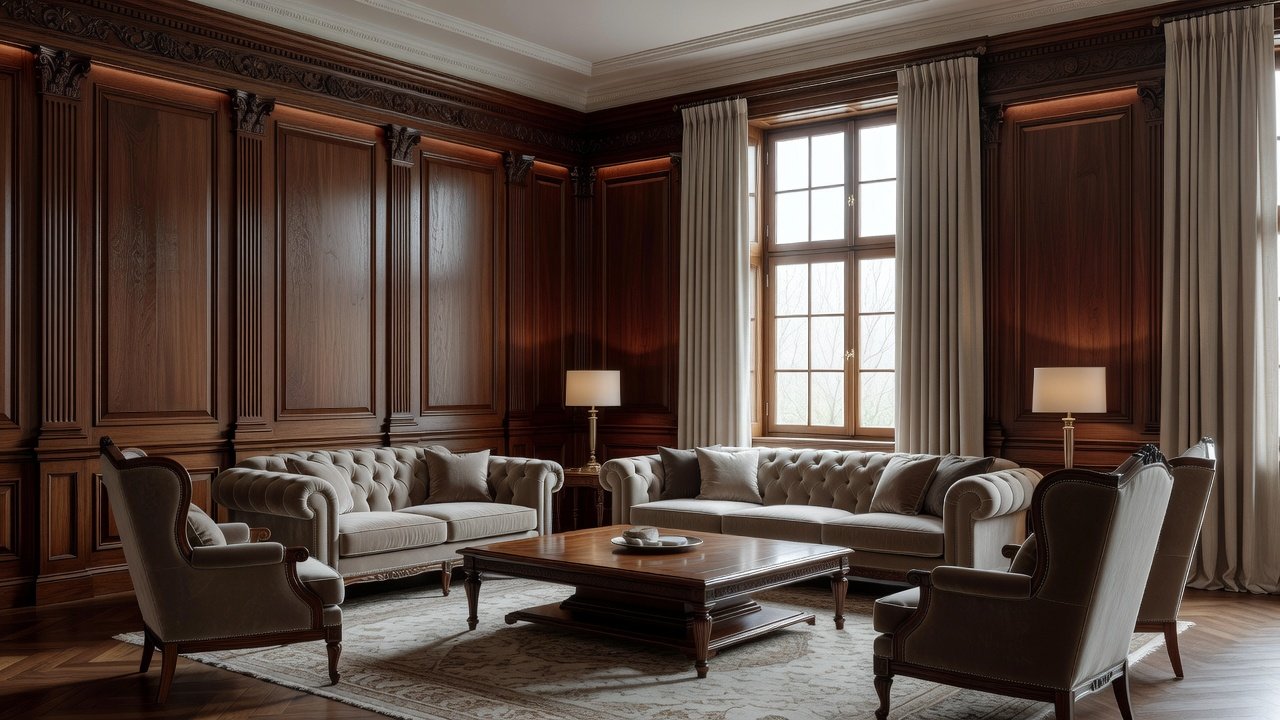
Timeless home design emphasizes clean lines, quality materials, and neutral palettes that endure trends. Smart upgrades, when poorly executed, introduce clutter through visible hubs, wires, and mismatched finishes. Successful projects prioritize devices that recede into the background while delivering reliable performance. Key principles include hiding components behind custom millwork, matching device colors to surrounding surfaces, and selecting minimalist interfaces. These tactics maintain the home's character while adding convenience like automated lighting and climate control. In practice, this means evaluating every element for its visual weight and long-term compatibility with the room's core aesthetic.
Selecting Discreet Smart Devices
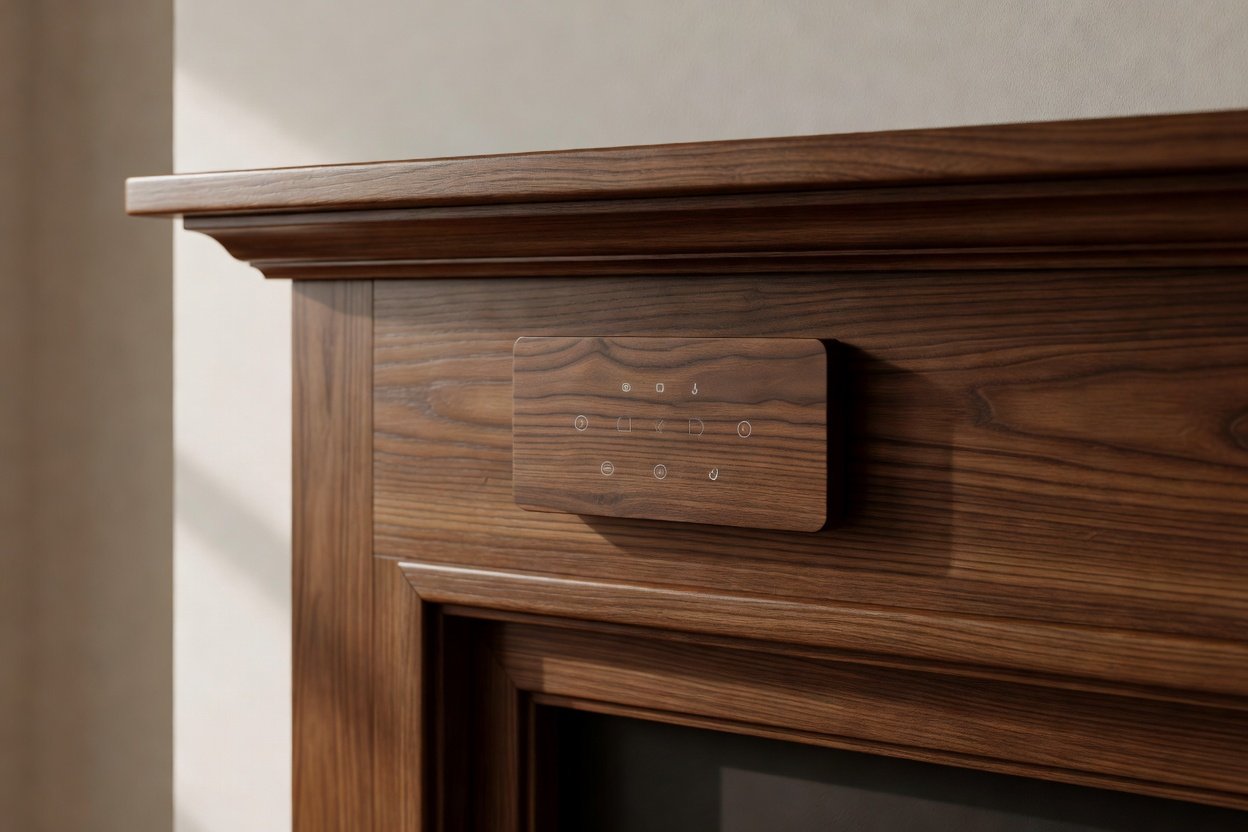
Begin by evaluating devices for their visual footprint. Opt for in-wall sensors, voice assistants embedded in furniture, and wireless switches that mimic traditional toggles. Popular choices include recessed lighting systems and hidden cameras within mirrors or artwork. Choose battery-powered or hardwired options to eliminate external cords. Prioritize products with interchangeable faceplates in classic finishes like brass or matte black. Verify compatibility with major ecosystems such as Apple HomeKit or Google Home for unified control. Practical examples from 2025 renovations show homeowners replacing standard outlets with smart versions that blend into vintage paneling, achieving full automation without altering room aesthetics. Additional considerations include reviewing device dimensions against existing architectural details and testing color samples under different lighting conditions before purchase.
Material and Color Coordination Strategies
Coordination ensures tech elements complement existing finishes. Match smart thermostat frames to wall paint or wood tones. Use fabric-covered speakers that align with upholstery and drapery selections. For contemporary spaces, integrate metallic accents from devices into hardware like door pulls. In classic settings, conceal controls behind removable panels finished in the same plaster or wallpaper as the walls. Consider texture matching as well, such as pairing matte device surfaces with honed stone countertops or distressed wood beams. This level of attention prevents visual interruptions that could detract from the room's overall cohesion.
Spatial Planning Techniques
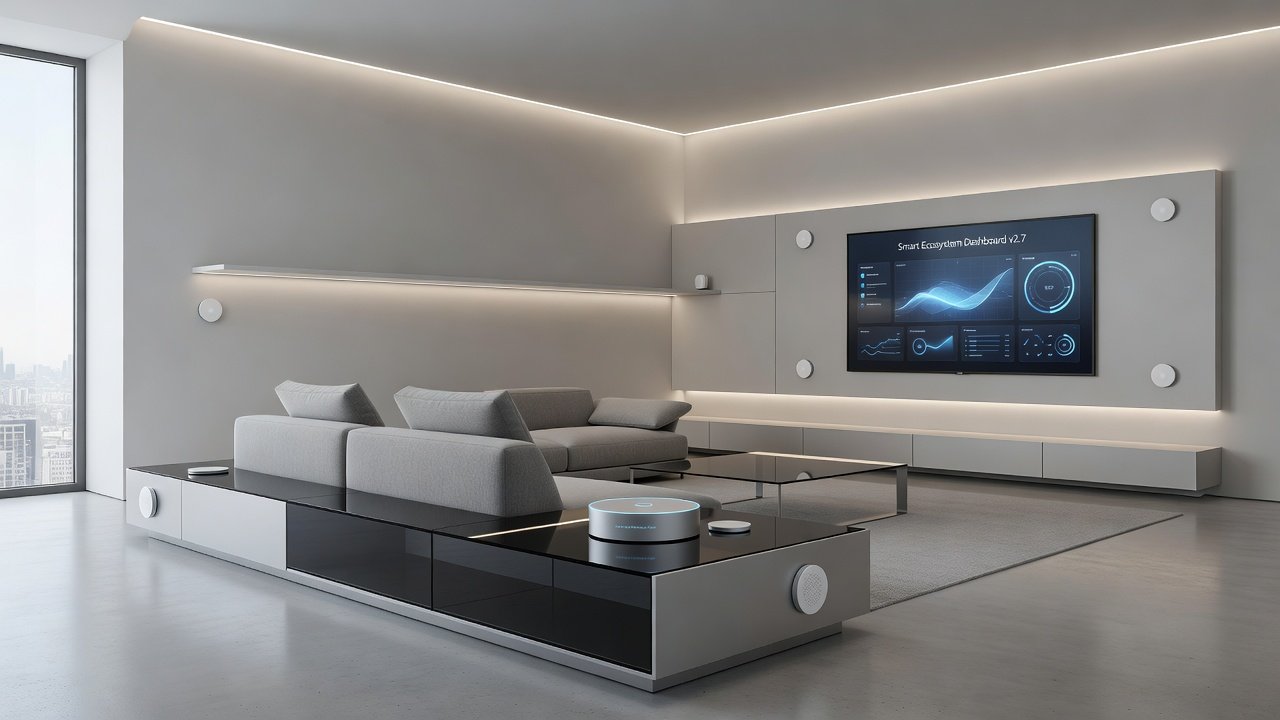
Effective placement prevents disruption of flow and sightlines. Position hubs in utility closets or behind furniture. Route wiring through existing chases during renovations to avoid surface-mounted conduits. Consider traffic patterns and furniture layouts early. Place motion sensors at ceiling level or within baseboards for unobtrusive coverage. This approach supports both open-plan contemporary homes and compartmentalized traditional layouts. Advanced techniques involve creating dedicated technology zones that remain accessible for maintenance yet invisible during daily use, such as integrating charging stations inside built-in cabinetry or routing low-voltage lines through crown molding channels.
Lighting Integration for Subtle Ambiance
Smart lighting forms the foundation of most upgrades. Layered systems using recessed fixtures, cove lighting, and dimmable wall controls allow precise scene setting without visible hardware. In timeless interiors, select bulbs and drivers that fit within existing sconces and chandeliers. Recent projects demonstrate success with tunable white lighting that shifts from warm evening tones to crisp daylight, all controlled via hidden panels or voice commands.
Security and Monitoring Without Visual Intrusion
Modern security integrates through discreet window sensors, doorbell cameras disguised as traditional hardware, and indoor cameras hidden in artwork or smoke detector housings. These maintain the home's classic appearance while providing robust protection. Homeowners should map camera fields of view during planning to avoid redundant coverage and ensure privacy in living areas.
Climate Control and Energy Management
Smart thermostats and zoned HVAC controls can be selected with interchangeable faceplates that match trim colors. Placement behind decorative grilles or within millwork keeps them out of sight. This supports energy efficiency goals without introducing modern elements into period rooms.
Step-by-Step Implementation Guide
- Assess current electrical and network infrastructure with a qualified electrician, documenting all existing circuits and potential upgrade paths.
- Map device locations on floor plans, prioritizing hidden mounting spots and ensuring future expandability for additional sensors or controls.
- Install core systems like lighting and security first, then layer comfort features such as automated shades and audio distribution.
- Test all integrations for reliability before final finishes are applied, including stress-testing network stability and backup power scenarios.
- Train household members on intuitive controls to maximize adoption, creating simple quick-reference guides for common routines.
- Schedule periodic reviews every six months to update firmware and evaluate new discreet devices entering the market.
Brand Comparisons for Discreet Integration
Comparing options helps match devices to design goals. Philips Hue offers extensive color-matching bulbs that disappear into traditional fixtures. Nest products provide sleek, minimal interfaces suited to contemporary rooms. Amazon's newer embedded solutions allow voice control from within cabinetry. Each ecosystem differs in installation flexibility and aesthetic customization. Review official documentation from U.S. Department of Energy for energy-efficient selections that support long-term sustainability. Additional insights on interoperability standards can be found through resources at National Institute of Standards and Technology.
Real Project Examples
A 2025 Victorian home renovation hid a full smart lighting array behind crown molding, preserving ornate details while enabling scene-based control throughout the ground floor. Another contemporary loft project used color-matched smart switches throughout, resulting in a clutter-free environment praised by the owners for its seamless transition between work and relaxation modes. A third example involved a 1920s bungalow where hidden motorized shades were installed within existing window casings, paired with voice-activated climate zones that respected the home's original woodwork.
Common Mistakes to Avoid
Overlooking future expandability leads to costly rework. Ignoring color temperature consistency creates visual discord across rooms. Failing to plan for maintenance access complicates updates later. Additional pitfalls include selecting devices without verifying long-term software support and underestimating the importance of professional network design for reliable whole-home coverage.
Future-Proofing Your Integration
Choose open-protocol devices that allow migration between ecosystems as technology evolves. Document all installations thoroughly, including wiring diagrams and device locations, for future owners or contractors. This ensures the timeless design remains adaptable rather than locked into outdated systems.
FAQ
How can I hide smart speakers in a traditional living room?
Embed them in custom cabinetry or use fabric-wrapped models that match existing textiles and furniture upholstery.
What is the best way to coordinate smart thermostat colors?
Select models with interchangeable plates or paint the housing to match adjacent trim using high-quality, low-VOC paints tested for adhesion.
Are there spatial planning tools recommended for this process?
Professional designers often use 3D modeling software to simulate device placement before installation begins, allowing virtual walkthroughs of sightlines and access points.
How do I handle smart device updates without disturbing finishes?
Design access panels into millwork during the initial renovation phase, sized for easy component swaps while remaining invisible when closed.
Can smart features be added to rental properties with timeless interiors?
Focus on non-permanent solutions such as plug-in sensors, portable voice assistants, and removable adhesive-backed switches that leave no trace upon removal.
Conclusion
Blending smart home upgrades with timeless design in 2026 is achievable through deliberate choices in devices, materials, and planning. Homeowners who follow these strategies enjoy enhanced functionality alongside enduring style. Consult resources from U.S. Department of Energy and National Institute of Standards and Technology for further guidance on secure, interoperable systems that respect both aesthetics and performance.
No comments yet. Be the first!