 Fixated on Home
Introduction to Climate-Adaptive Smart Home Upgrades
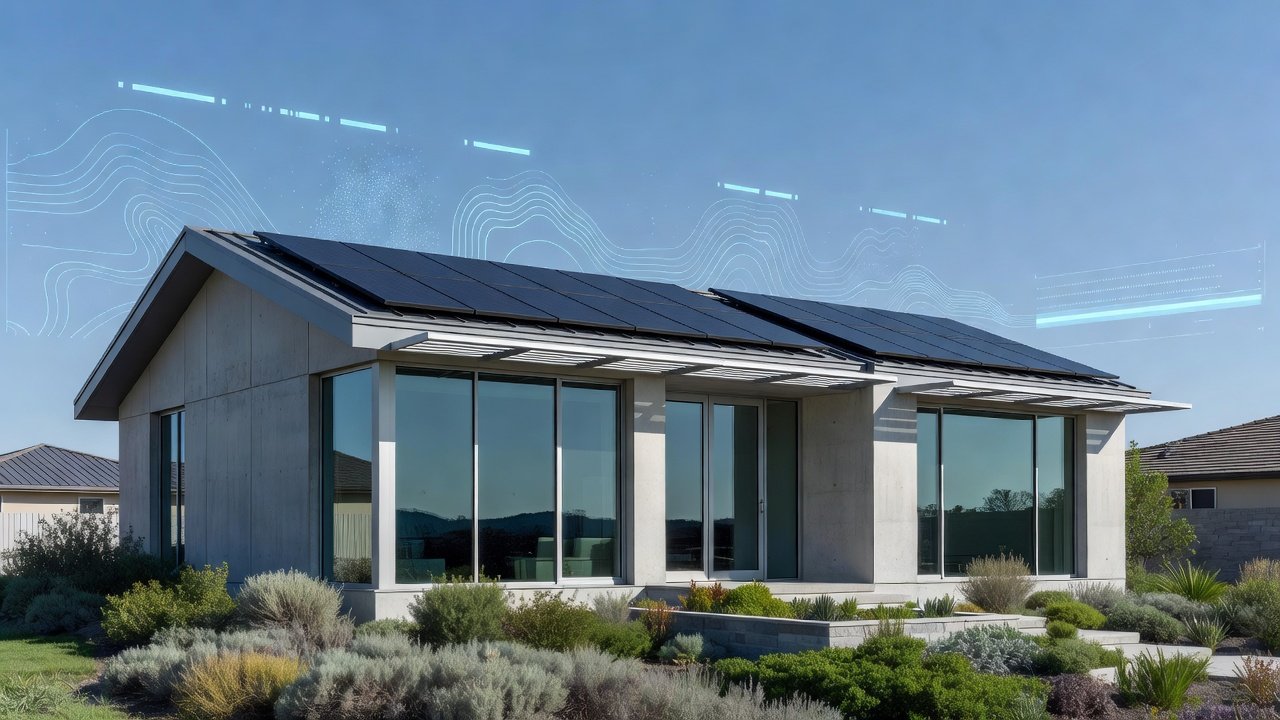
Modern renovations increasingly incorporate smart home upgrades to address climate variability, enhancing energy efficiency and resilience across diverse regions. Homeowners planning 2026 projects can integrate technology that responds dynamically to local weather patterns, reducing environmental impact while improving comfort. This approach combines data-driven systems with sustainable design principles, making homes more adaptable to extreme heat, cold, or humidity. By leveraging real-time weather data and automation, these upgrades support long-term savings through optimized resource use. Whether renovating in arid deserts or coastal areas prone to storms, tailored solutions ensure durability and performance. The focus remains on creating spaces that not only withstand changing conditions but also promote healthier indoor environments through intelligent controls.
Climate adaptation in renovations goes beyond basic efficiency measures. It involves selecting technologies that anticipate weather shifts and adjust automatically. This proactive strategy helps mitigate risks associated with increasing global temperatures and erratic precipitation patterns. Homeowners benefit from systems that integrate seamlessly with existing architecture while adding modern functionality.
Understanding Climate Zones and Their Impact on Renovations
Climate zones dictate the priorities for smart upgrades. Hot and arid regions benefit from cooling-focused technologies, while cold climates emphasize heating efficiency and insulation. Humid areas require robust moisture management to prevent mold and structural damage. Integrating local weather station data during planning helps customize installations effectively. Step-by-step selection begins with analyzing historical climate records from sources like the National Oceanic and Atmospheric Administration. Next, assess home orientation and existing infrastructure. Finally, prioritize systems that scale with projected climate shifts. Understanding microclimates within a property, such as shaded versus sun-exposed areas, further refines the upgrade plan.
Different zones present unique challenges. In hot climates, the emphasis lies on heat rejection and ventilation. Cold zones demand airtight sealing and efficient heat distribution. Humid regions focus on airflow and dehumidification to maintain structural integrity. Comprehensive site evaluations ensure that chosen technologies align with these specific demands.
Adaptive HVAC Integrations for Energy Efficiency
Smart HVAC systems form the backbone of climate-adaptive renovations. In hot zones, variable refrigerant flow units paired with AI thermostats adjust cooling based on occupancy and forecasts. Cold regions utilize heat pumps with geothermal integration for consistent warmth without excessive energy draw. Humid environments feature dehumidification modes that sync with ventilation to maintain optimal indoor air quality. Practical examples include a California desert home where smart HVAC reduced peak loads during summer spikes, and a Minnesota renovation using predictive algorithms to preheat spaces ahead of cold fronts. These setups promote resilience by incorporating backup power options tied to renewable sources.
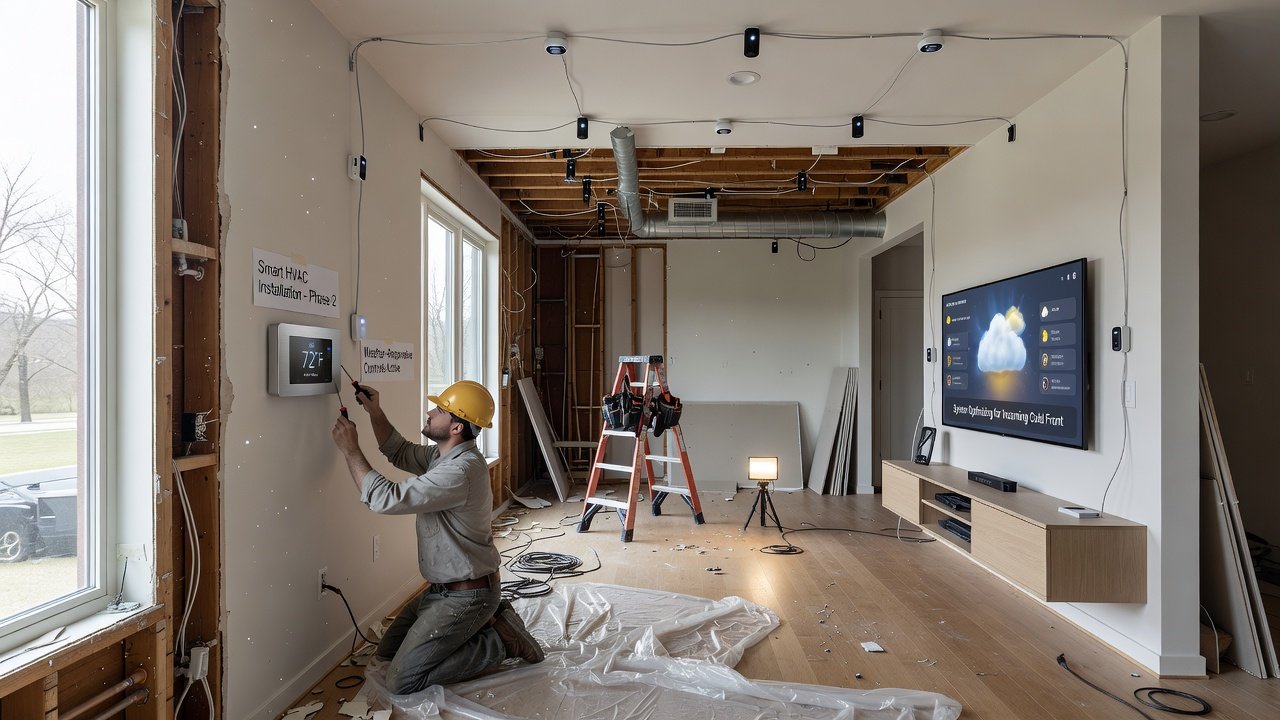
Selection involves evaluating system compatibility with current ductwork and electrical panels. Homeowners should consider zoning capabilities that allow different rooms to operate independently based on usage. Advanced models include air quality sensors that trigger filtration during high pollen or pollution events. Installation typically starts with a professional audit of the home's thermal envelope followed by phased implementation to minimize disruption.
Weather-Responsive Shading Systems
Automated shading enhances both efficiency and comfort. Motorized blinds and pergolas equipped with sensors respond to sunlight intensity, wind speed, and temperature changes. In sunny climates, they block excessive heat gain; in variable weather, they provide wind protection. Installation involves mounting sensors on south-facing facades and connecting them to central hubs. Homeowners in Texas reported improved indoor temperatures after adding these systems during whole-home updates. Selection guides recommend evaluating solar exposure maps first, then choosing materials rated for local UV levels.
Additional benefits include reduced glare on screens and protection of furnishings from fading. Integration with voice assistants allows manual overrides when needed. For optimal results, pair shading systems with smart glass options that tint automatically in response to light levels.
Moisture-Control Technologies for Humid Regions
High-humidity areas demand smart dehumidifiers, vapor barriers with embedded sensors, and ventilation systems that expel excess moisture automatically. These technologies prevent condensation issues common in coastal or tropical renovations. Comparisons show that integrated moisture monitors outperform traditional methods by alerting users via apps before problems escalate. Examples from Florida renovations highlight how pairing these with smart windows improved air quality and reduced maintenance needs over time. In practice, whole-house systems coordinate with HVAC to balance humidity without over-drying the air, preserving wood floors and preventing warping.
Monitoring extends to crawl spaces and attics where hidden moisture can accumulate. Wireless sensors provide continuous data streams, enabling predictive maintenance alerts. This layered approach ensures comprehensive protection against humidity-related degradation.
Integration with Overall Home Design and Resilience Planning
Successful climate adaptation requires blending smart upgrades with broader home design elements. Lighting systems that adjust based on daylight availability complement shading technologies. Smart irrigation tied to weather forecasts conserves water in dry zones. Security features can incorporate environmental sensors for flood or fire detection. The result is a cohesive ecosystem that enhances both livability and property value.
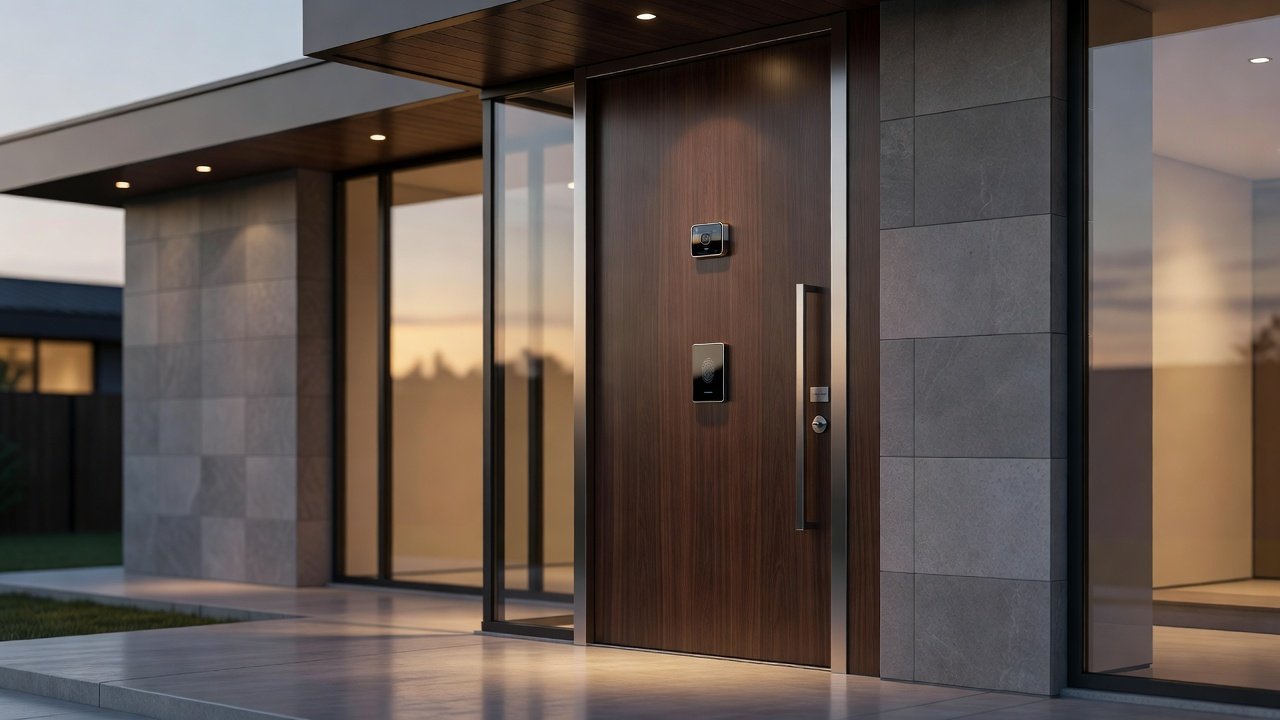
Resilience planning includes backup energy storage solutions that activate during outages. These integrate with climate controls to maintain critical functions like refrigeration and climate regulation. Homeowners in hurricane-prone areas often add reinforced smart entry points that seal automatically upon storm warnings.
Practical Examples from Diverse Home Renovations
- Arizona adobe-style update: Integrated shading and HVAC for desert heat adaptation, resulting in stable indoor climates year-round.
- Alaska cabin modernization: Geothermal HVAC and insulated smart windows for extreme cold, with automated ventilation to manage indoor humidity.
- Louisiana coastal residence: Moisture sensors combined with automated ventilation for hurricane resilience, including real-time alerts for rising water levels.
- Pacific Northwest retrofit: Weather-responsive shading paired with heat recovery ventilation to handle frequent rain and mild temperatures efficiently.
Step-by-Step Selection Guide Based on Local Weather Data
Begin by gathering at least one year of local weather data through public databases. Analyze temperature extremes, precipitation trends, and wind patterns. Match this information to specific upgrade categories. Consult certified professionals for compatibility assessments. Test small-scale pilots before full rollout. Review performance metrics quarterly to fine-tune settings. This methodical process minimizes errors and maximizes adaptation benefits.
Common Mistakes to Avoid During Renovations
Overlooking device interoperability often leads to fragmented systems that fail to communicate. Ignoring local building codes can result in costly rework. Underestimating the importance of professional calibration reduces overall efficiency. Failing to plan for future climate projections limits long-term effectiveness. Addressing these issues early prevents frustration and ensures smoother project completion.
FAQs on Smart Home Upgrades and Renovation Challenges
How do I choose upgrades based on local weather data?
Start with free online climate tools, then consult certified installers familiar with regional standards from the U.S. Department of Energy. Cross-reference multiple data sources for accuracy.
What are common pitfalls in climate-adaptive renovations?
Skipping site-specific assessments or selecting incompatible smart ecosystems can lead to inefficiencies. Always verify interoperability before purchase and schedule regular system updates.
Are these upgrades suitable for older homes?
Yes, with proper retrofitting. Many systems work with existing wiring, though professional evaluation is advised for historic structures to preserve architectural integrity.
How long does installation typically take?
Most phased projects complete within two to six weeks depending on scope, allowing homeowners to maintain daily routines with minimal interruption.
Conclusion
Smart home upgrades for climate adaptation represent a forward-thinking strategy for 2026 renovations. By addressing specific zone challenges through HVAC, shading, and moisture technologies, homeowners achieve greater efficiency and durability. Explore authoritative resources like the Environmental Protection Agency and Federal Emergency Management Agency for further guidance on sustainable practices and resilience measures.
No comments yet. Be the first!