 Fixated on Home
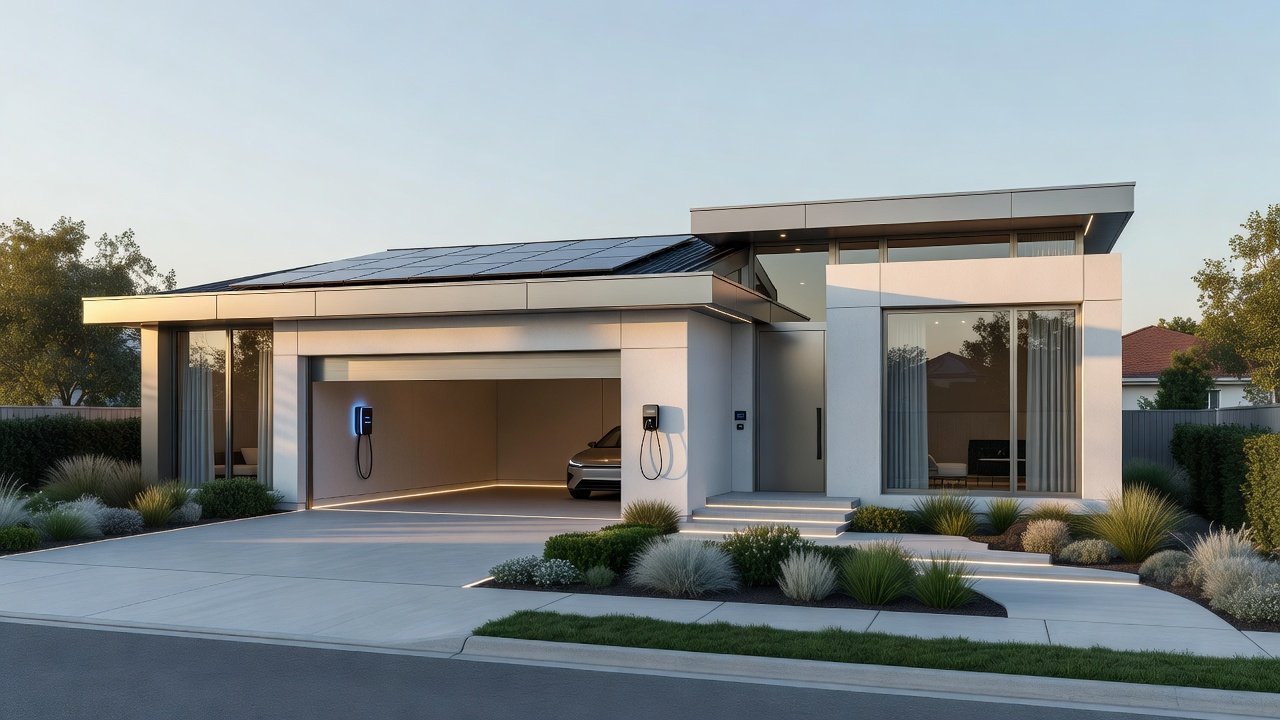
Introduction: Why EV Charging Belongs in 2026 Smart Home Plans
Homeowners upgrading properties in 2026 increasingly seek seamless ways to combine electric vehicle charging with broader smart home systems. This integration supports daily convenience, optimizes energy use, and can enhance long-term property appeal. As more households adopt EVs, pairing charging infrastructure with intelligent controls creates a unified ecosystem that manages power flow, schedules sessions around peak rates, and connects with existing devices like lighting, thermostats, and security platforms. The focus here is on actionable steps for both new builds and renovations. Whether you live in a compact urban condo or a spacious suburban house, the principles remain the same: prioritize compatibility, safety, and scalability for future technologies. Planning ahead ensures your investment aligns with emerging standards in energy efficiency and connected living, helping reduce reliance on grid power during high-demand periods while providing reliable vehicle readiness each morning.
Understanding Wired Versus Wireless EV Charging Systems
Choosing between wired and wireless options depends on your home layout and renovation scope. Wired systems typically involve Level 2 chargers connected directly to your electrical panel, offering reliable high-speed charging suitable for most daily commutes. Wireless inductive charging pads, still emerging for residential use, eliminate cables but require precise alignment and may involve slightly lower efficiency rates. Wired setups excel in established homes where running conduit is feasible during a remodel, while wireless solutions suit new construction or driveway overhauls where aesthetics matter most. Both benefit from smart controls that allow app-based scheduling and integration with home energy monitors, creating a responsive system that adapts to household routines.
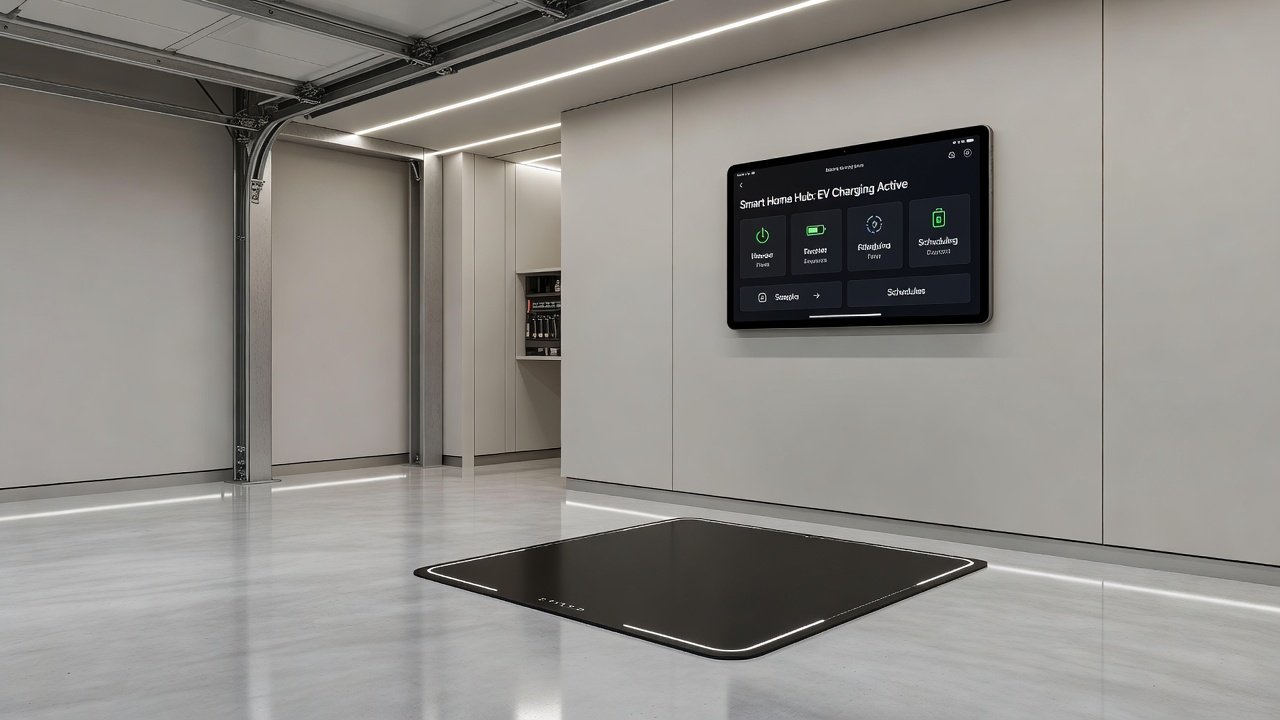
Key Installation Steps for Each Approach
- Assess current electrical capacity and consult a licensed electrician familiar with EV loads to identify any necessary panel upgrades early in the process.
- Plan cable routing or pad placement to minimize disruption during renovations, coordinating with other trades like plumbers or insulation installers.
- Install smart-enabled chargers that support protocols like OCPP for future interoperability with evolving home automation standards.
- Configure integration with your home automation hub for unified control, enabling features such as automatic load balancing across multiple devices.
- Test safety features including ground fault protection and automatic shutoff before finalizing the setup.
Cost-Benefit Considerations Compared to Traditional Setups
Traditional standalone chargers provide basic functionality but lack the energy optimization available through smart integration. A blended approach can reduce overall household energy waste by coordinating charging with solar production or off-peak periods. Homeowners report smoother daily routines when charging status appears alongside other smart home data on a single dashboard. Benefits extend to resale value, as buyers in 2026 increasingly expect EV-ready homes. Integrated systems also support vehicle-to-home capabilities where available, allowing your EV battery to power select circuits during outages when paired with compatible inverters. Over time, these features contribute to lower utility bills through intelligent scheduling and better alignment with renewable energy sources already present in many modern homes.
Real-World Examples from Urban and Suburban Homes
In a compact city townhouse, one family mounted a wired Level 2 charger in a shared parking spot and linked it to their existing smart meter via a dedicated app. The system automatically pauses charging during high-demand hours, helping manage building-wide electricity use and preventing overloads during evening peaks. In a suburban setting, another homeowner embedded a wireless pad in the driveway concrete during a patio renovation, then connected it to their whole-home automation platform that also controls HVAC and outdoor lighting. A third example involves a multi-generational household that added two integrated chargers—one wired and one wireless—to accommodate different vehicle models, demonstrating how modular design supports varied family needs without major additional construction.
Compatibility with Existing Smart Ecosystems
Most modern chargers work with major platforms including Google Home, Amazon Alexa, and Apple HomeKit through APIs or dedicated hubs. Check that your chosen unit supports open standards so it can communicate with energy management software. Integration allows voice commands for starting sessions or receiving alerts when charging completes. For broader compatibility, review documentation from manufacturers and test connections during the planning phase of your renovation. This step prevents future frustrations and ensures the charging station becomes a natural extension of your existing smart home rather than an isolated device.
Smart Energy Management Strategies
Beyond basic installation, effective integration involves strategies like time-of-use optimization and solar pairing. Use your smart home hub to align charging windows with lower electricity rates or excess solar generation. Many systems now offer predictive algorithms that learn your driving patterns and pre-condition the vehicle battery accordingly. These features not only improve efficiency but also contribute to grid stability when aggregated across neighborhoods, a growing consideration for 2026 sustainability goals. Learn more about federal energy initiatives that support such home upgrades.
Beginner Checklist for EV Smart Charging Integration
- Confirm your EV model supports the charger type and any smart features you want, including app connectivity and scheduling options.
- Review local permitting requirements before starting electrical work to avoid delays during the renovation timeline.
- Map out placement to ensure easy vehicle access and minimal cable clutter, considering both aesthetics and functionality.
- Verify compatibility with your current smart home hub and energy monitoring tools through manufacturer specifications.
- Schedule installation with certified professionals experienced in both EV and smart systems to ensure code compliance.
- Set up schedules and notifications through your preferred automation app, testing them over the first week of use.
- Plan for future expansions such as additional chargers or vehicle-to-grid readiness by installing extra conduit where possible.
Common Pitfalls to Avoid
Many homeowners overlook panel capacity early, leading to costly mid-project upgrades. Others choose proprietary chargers that limit ecosystem flexibility. Poor placement can create tripping hazards or require awkward vehicle positioning. Always prioritize safety certifications and future-proofing by selecting modular components that accommodate 2027 advancements in wireless efficiency or bidirectional charging. Consulting multiple professionals during the design phase can reveal overlooked issues like ventilation needs or moisture protection in garage environments.
FAQ: Rebates, Safety Standards, and Future-Proofing
What safety standards should I look for in an EV charger?
Seek units certified to UL 2202 or equivalent regional standards, along with features like automatic fault detection. Professional installation ensures compliance with local electrical codes and provides documentation for insurance purposes. Regular firmware updates further enhance protection against emerging cybersecurity risks associated with connected devices.
Are there rebates available for smart EV charging installations?
Check federal and state programs through official energy department resources for incentives tied to energy-efficient home improvements. Requirements often include ENERGY STAR-rated equipment and documented professional installation. Visit the U.S. Department of Energy site for current program details and eligibility guidelines that may apply to your project.
How can I prepare for 2027 technology advancements?
Choose systems with firmware update capabilities and open communication protocols. Design wiring pathways with extra conduit space for future sensors or additional pads. Staying informed about industry developments through reputable sources helps maintain long-term compatibility as bidirectional charging and vehicle-to-grid features become more widespread.
Conclusion
Integrating EV charging into 2026 smart home upgrades delivers convenience, efficiency, and lasting value when planned thoughtfully. By comparing wired and wireless options, following structured installation steps, and avoiding common mistakes, homeowners can create a cohesive system that grows with emerging technologies. Start with a professional assessment of your electrical and smart home infrastructure to ensure a smooth, future-ready result that enhances both daily life and property appeal for years ahead.

No comments yet. Be the first!