 Fixated on Home
Introduction to Smart Blinds in Modern Renovations
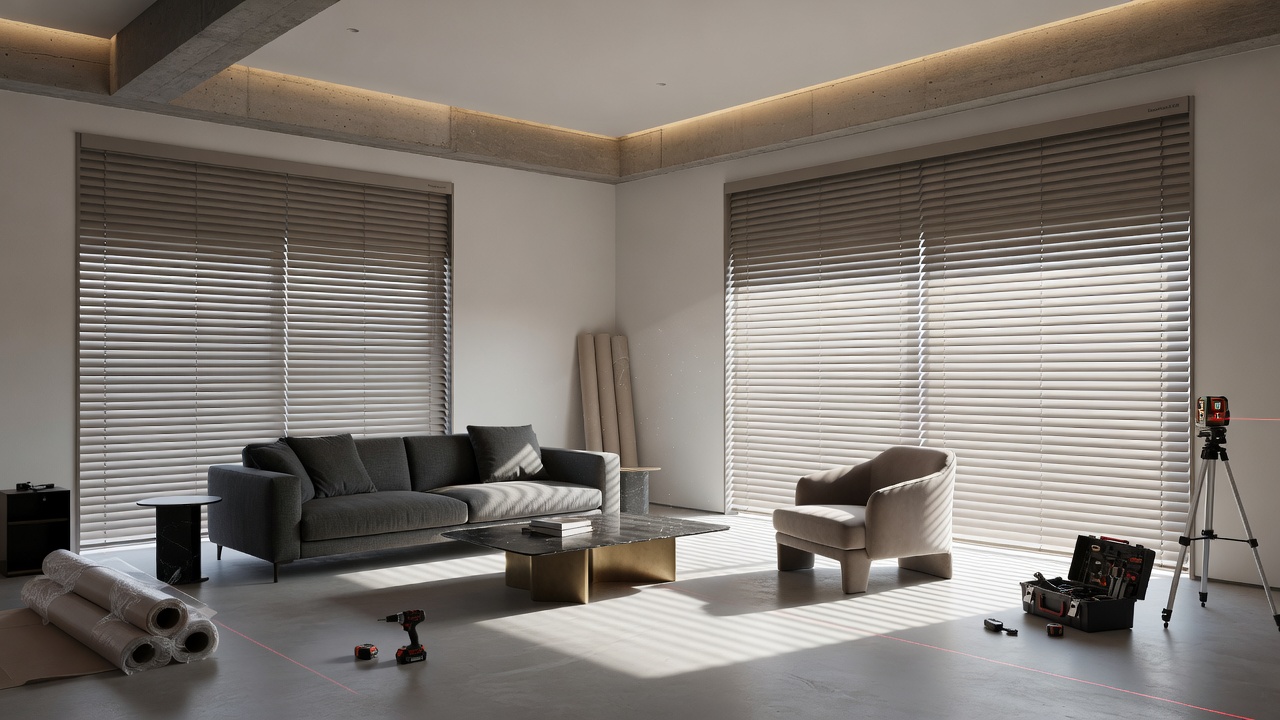
Homeowners renovating contemporary spaces increasingly seek automated window treatments that merge aesthetics with smart functionality. Smart blinds offer precise light control, energy savings, and seamless integration with home ecosystems. This guide explores practical strategies for incorporating them into modern upgrades, addressing functionality, design harmony, and long-term value. As renovations emphasize open floor plans and large windows, smart blinds become essential for balancing natural light with privacy needs while supporting overall smart home ecosystems.
Key Benefits of Smart Blinds for Contemporary Homes
Automated blinds enhance modern interiors by providing motorized operation, scheduling, and app-based adjustments. They contribute to energy efficiency by reducing heat gain in summer and retaining warmth in winter, aligning with sustainable renovation goals. Convenience features like voice commands minimize daily effort while supporting sleek, clutter-free designs. Beyond basic automation, these systems can sync with sensors to adjust based on sunlight intensity or room occupancy, creating dynamic environments that adapt throughout the day. Homeowners report improved comfort levels and reduced reliance on artificial lighting or HVAC systems after installation.
Learn more about energy-efficient building practices from the U.S. Department of Energy.
Types of Smart Blinds Available
Several varieties suit different window styles and budgets. Roller blinds deliver minimalist looks ideal for large glass expanses common in modern architecture. Venetian options allow angled slat adjustments for precise light diffusion without fully closing the window. Cellular shades trap air for superior insulation, making them excellent for energy-conscious renovations in varying climates. Motorized Roman shades add soft folds suited to transitional modern aesthetics, while zebra or dual-layer shades offer alternating sheer and opaque bands for versatile light control. Each type supports battery or hardwired power sources depending on installation constraints, and material choices range from eco-friendly fabrics to light-blocking options for bedrooms.
Compatibility with Voice Assistants and Smart Hubs
Most systems integrate with popular platforms including Amazon Alexa, Google Assistant, and Apple HomeKit. Users can issue voice commands to raise or lower blinds or create routines tied to sunrise schedules. Hub compatibility extends to Zigbee, Z-Wave, and Wi-Fi protocols, enabling centralized control through devices like Samsung SmartThings. Always verify firmware updates for ongoing interoperability. Advanced setups allow integration with motion sensors or weather data feeds, automatically closing blinds during storms or opening them on clear mornings. This level of connectivity transforms window treatments into active participants in the home's overall automation strategy.
Explore related efficiency standards at ENERGY STAR.
Step-by-Step Installation Process
Begin with precise window measurements and selection of compatible mounting hardware. For battery-powered units, attach brackets securely and insert motors following manufacturer diagrams. Connect to your chosen app via Bluetooth or Wi-Fi pairing. Hardwired installations require professional electrical work to integrate with existing circuits. Test functionality thoroughly before finalizing trim and finishing touches. Consider room-specific factors such as ceiling height for cord management and alignment with existing smart devices. Professional installers often recommend starting in high-use areas like living rooms before expanding to bedrooms or home offices. 
Comparing Popular Smart Blind Models
Leading options differ in motor quality, shade material durability, and ecosystem support. Some excel in quiet operation for bedrooms while others prioritize extensive customization of fabric patterns. Review factors such as battery life, remote range, and warranty coverage when evaluating choices for your renovation scope. Side-by-side evaluations reveal differences in UV protection ratings and ease of fabric replacement, helping match products to specific design visions like Scandinavian minimalism or industrial modern styles.
Real-World Before-and-After Transformations
A mid-century modern living room previously featured manual curtains that clashed with clean lines. After installing integrated roller smart blinds, the space gained automated light filtering that complements minimalist furniture and creates a cohesive visual flow. Another example involves a kitchen renovation where cellular shades replaced outdated blinds, improving insulation and enabling voice-controlled privacy during evening gatherings with family. A third case saw a master bedroom transformed by Venetian smart blinds that maintained views while providing scheduled morning light, enhancing both sleep quality and daily routines for residents.
Understanding Cost Breakdowns and Budget Planning
Expenses vary based on window count, power source, and professional assistance needs. DIY battery models generally reduce labor costs compared to custom hardwired solutions. Factor in potential savings from improved energy performance over time when planning renovation budgets. Prioritize high-impact windows first, such as south-facing exposures, to maximize returns on investment through reduced cooling demands.
Maintenance Tips for Long-Term Performance
- Schedule regular dusting with microfiber cloths to prevent motor strain.
- Monitor battery levels through connected apps and replace on manufacturer timelines.
- Inspect brackets and tracks annually for alignment issues.
- Update firmware periodically to maintain security and feature compatibility.
- Clean fabrics according to care labels to preserve appearance and functionality.
Common Mistakes to Avoid During Integration
Overlooking window measurements leads to ill-fitting blinds that compromise both aesthetics and performance. Ignoring hub compatibility can result in fragmented control across devices. Skipping professional electrical consultation for hardwired options risks safety issues. Failing to test routines in advance may cause inconvenient malfunctions after the renovation is complete.
Frequently Asked Questions
Do smart blinds require extensive wiring?
Many models operate on rechargeable batteries, eliminating wiring needs entirely. Hardwired versions integrate during electrical phases of renovation but remain optional for most users seeking simpler upgrades.
How does app integration work with existing smart home systems?
Download the manufacturer's app, connect via Wi-Fi, and link accounts to Alexa or HomeKit. Routines can then trigger based on time, sensors, or voice input for hands-free operation.
Can smart blinds improve home energy efficiency?
Yes, automated scheduling aligns with daylight patterns to reduce HVAC loads, as supported by guidance from authoritative sources on building performance.
What design considerations matter most in modern spaces?
Focus on neutral color palettes, slim profiles that disappear into window frames, and fabric textures that complement surrounding materials like concrete or wood accents.
Conclusion
Smart blinds represent a forward-thinking addition to modern home renovations, delivering style, efficiency, and effortless control. By evaluating types, ensuring compatibility, and following structured installation, homeowners achieve transformative results that elevate daily living and support sustainable design principles for years to come.
No comments yet. Be the first!