 Fixated on Home
Introduction to Smart Controls in Creative Studios
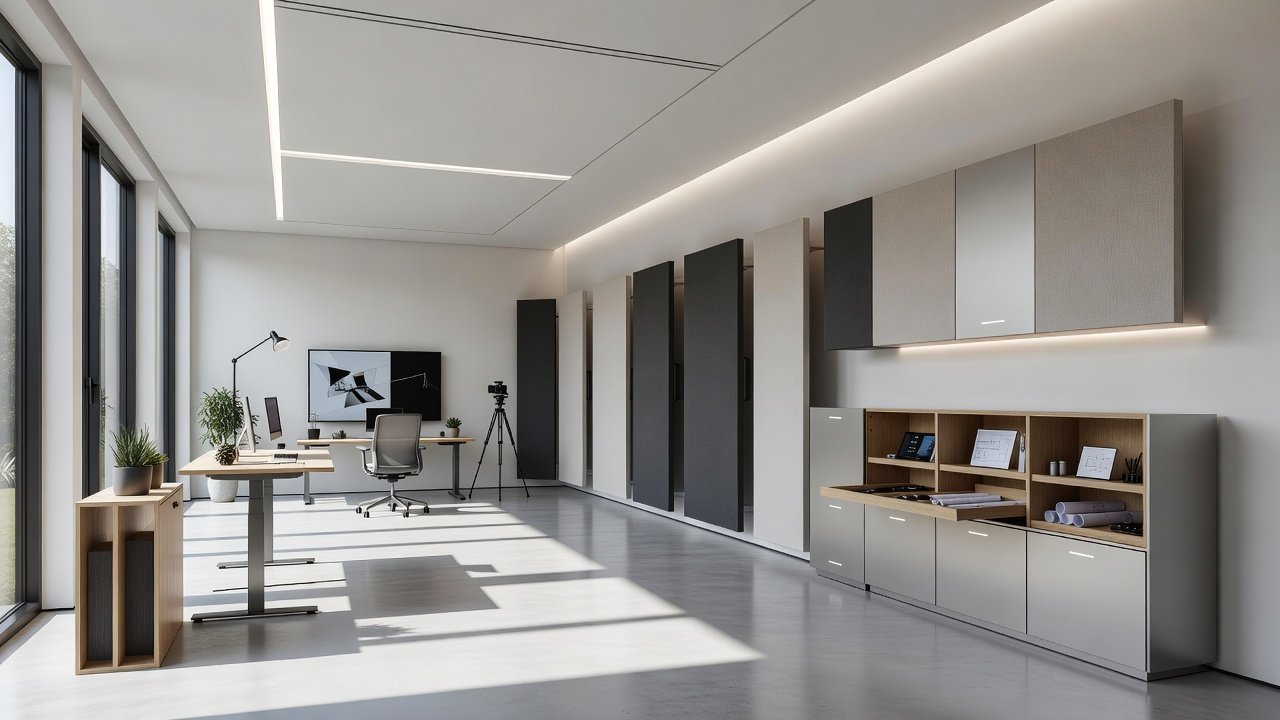
Renovating a multi-use creative studio in 2026 demands a thoughtful fusion of advanced technology and thoughtful design principles. Homeowners increasingly seek spaces that adapt fluidly to painting, music production, digital design, writing, or collaborative workshops. Smart controls provide the backbone for these adaptive environments by enabling precise customization of light, acoustics, and organization. This comprehensive guide explores how to incorporate these technologies during renovations, ensuring the final result remains both functional and inspiring. We examine core components including customizable lighting ecosystems, automated sound management systems, and intelligent storage solutions that streamline workflows. Along the way, readers will find detailed planning processes, budget-conscious device comparisons, real-world renovation case studies, and practical integration strategies that respect existing architectural elements.
Step-by-Step Planning Process for Smart Studio Renovations
Successful integration begins with a structured assessment phase. First, document your daily workflow by noting how you move between creative tasks and which environmental factors most influence productivity. Measure room dimensions and identify natural light patterns throughout the day. Next, audit current electrical panels, network infrastructure, and HVAC systems to determine upgrade requirements. Engage licensed electricians and smart-home integrators early to map low-voltage wiring routes that support future expansions without visible conduits. Prioritize features according to frequency of use—daily lighting adjustments may rank higher than occasional sound zoning. Create a phased timeline that aligns device installation with major construction milestones such as drywall completion and flooring installation. Finally, establish a testing protocol that verifies all automations before final finishes are applied.
- Conduct a full workflow audit and zone mapping
- Assess electrical capacity and network coverage
- Select a primary smart ecosystem with open standards
- Design for scalability with modular hardware
- Coordinate installation with contractors to minimize disruption
- Develop a maintenance schedule and backup power plan
Customizable Lighting Ecosystems for Creative Workflows
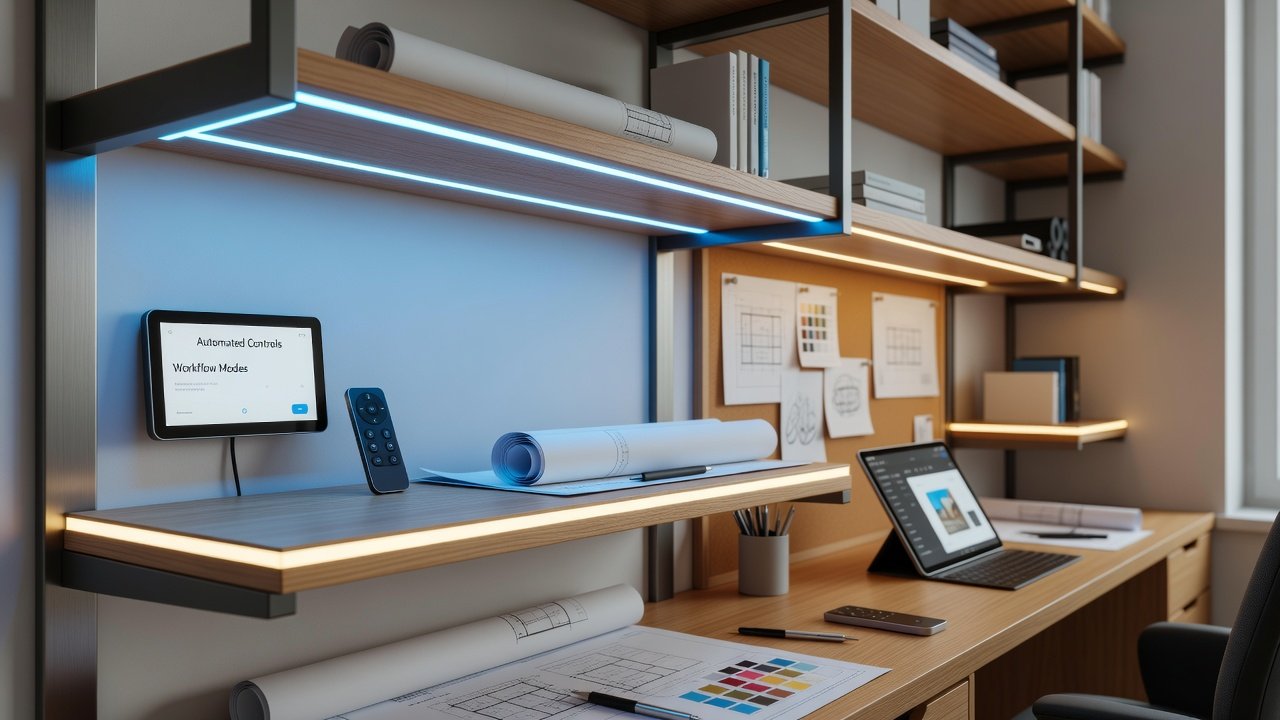
Lighting forms the foundation of any adaptive studio. Modern tunable LED systems allow users to shift color temperature from warm 2700K tones ideal for brainstorming sessions to crisp 5000K daylight suited for detail-oriented tasks. Incorporate occupancy sensors, daylight harvesting, and circadian rhythm programming so lights automatically respond to time of day and occupancy. Wireless mesh networks eliminate the need for extensive rewiring while supporting individual fixture addressing. Homeowners can create preset scenes triggered by voice commands, wall panels, or smartphone apps, ensuring seamless transitions between focused work and collaborative review periods.
Advanced setups integrate with building management platforms for energy reporting and remote diagnostics. Energy-efficient smart lighting reduces overall consumption while supporting visual comfort. Consider layering ambient, task, and accent lighting zones so each creative station receives tailored illumination without glare or shadows.
Device Comparisons Across Budget Levels
Entry-level solutions pair affordable color-changing bulbs with a single hub, offering basic scheduling and voice control. Mid-tier options introduce multi-zone controllers, tunable white fixtures, and mobile apps with scene libraries. Premium ecosystems deliver full-room zoning, machine-learning adjustments based on usage patterns, and integration with security or HVAC systems. Evaluate each option against criteria such as color rendering index, beam angle flexibility, and long-term firmware support to ensure lasting performance.
Automated Sound Management for Focused and Collaborative Spaces
Acoustic control prevents distractions and protects creative flow. Smart speakers equipped with beam-forming microphones and adaptive noise cancellation can isolate voice commands while minimizing echo in larger rooms. Motorized acoustic panels and curtains adjust automatically when sensors detect recording sessions or group discussions. Zoned audio allows different tracks or white-noise profiles to play simultaneously in separate areas. Integration with existing sound systems occurs through standard protocols, preserving high-fidelity equipment while adding automation layers.
Intelligent Storage Solutions That Enhance Organization
Storage in creative studios must balance accessibility with visual calm. Motorized lift cabinets and rotating shelving units respond to voice or app commands, bringing tools within reach without manual effort. RFID or computer-vision tags track inventory levels and suggest reordering when supplies run low. Climate-controlled compartments protect sensitive materials such as paints, films, or electronics. These systems integrate with broader home automation platforms, allowing lighting to brighten automatically when a storage unit opens.
Real Renovation Examples and Integration Tips
One suburban homeowner converted a detached garage into a multi-use studio by embedding wireless lighting controls into existing rafters and pairing them with reclaimed wood finishes. Another city apartment renovation concealed sound-management panels behind custom fabric walls that matched the living-room palette. When integrating with existing design elements, match device colors and finishes to cabinetry or trim, and route cables through walls or under floors during the rough-in phase. Always verify Wi-Fi signal strength in every corner and consider adding mesh nodes if coverage gaps appear.
Checklists for Successful Implementation
Use these checklists during planning and execution to maintain momentum and avoid oversights. Pre-renovation checklist items include confirming internet bandwidth, listing all creative activities, and obtaining necessary permits. During-construction items cover verifying sensor placement, labeling every cable run, and testing each scene before walls close. Post-installation items focus on user training, creating backup configurations, and scheduling quarterly system reviews.
Conclusion
Smart controls transform ordinary studios into responsive creative environments that evolve alongside their owners. By following methodical planning, comparing devices thoughtfully, and integrating technology respectfully with existing architecture, homeowners achieve spaces that remain inspiring and productive for years. The result is a renovation that supports both current workflows and future creative explorations.
FAQ
How do I ensure device compatibility across brands?
Select platforms built on open standards such as Zigbee, Z-Wave, or Matter. Review published compatibility lists and perform small-scale pilots before full rollout. Regular firmware updates further maintain interoperability as new products enter the market.
What routine maintenance keeps systems reliable?
Schedule quarterly sensor cleaning, battery checks on wireless devices, and network security audits. Most platforms provide diagnostic dashboards that flag issues before they affect daily use.
Can these systems scale for future technology advances?
Modular architectures allow incremental additions such as new sensors or AI-driven features without replacing core infrastructure. Planning for extra conduit capacity and choosing expandable hubs ensures long-term adaptability through 2026 and beyond.
No comments yet. Be the first!