 Fixated on Home
Introduction
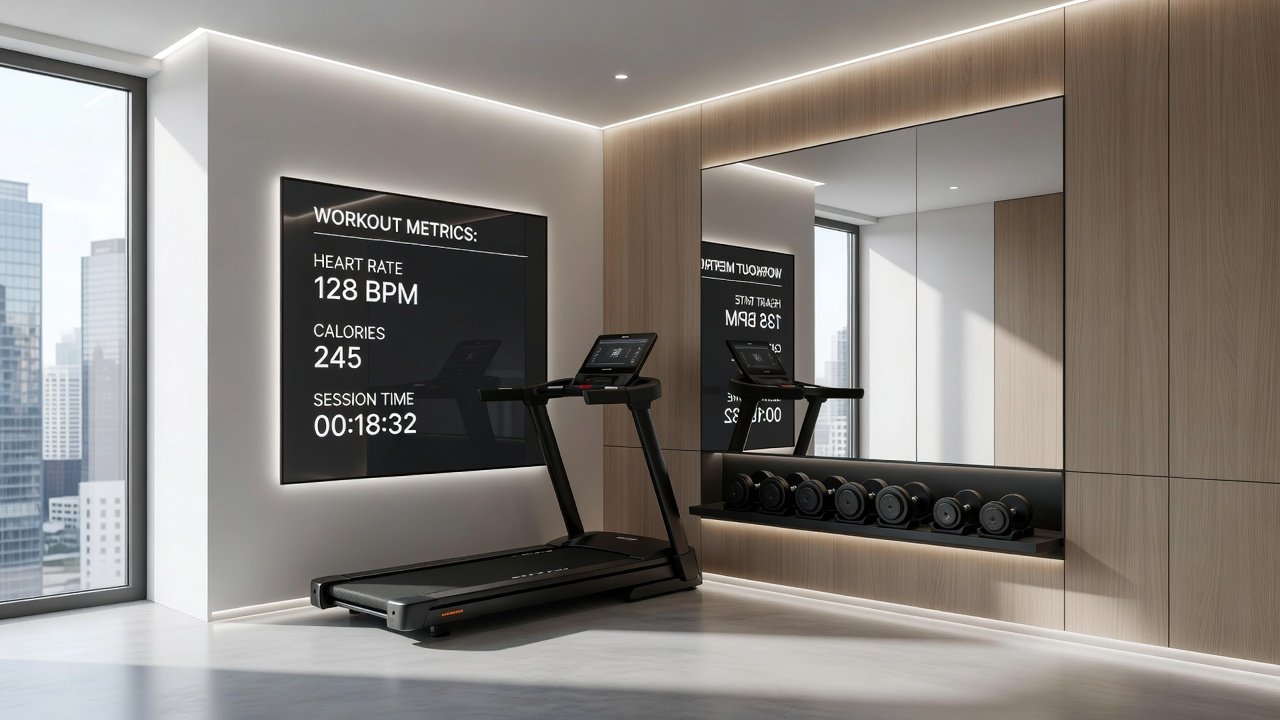
Creating a modern home gym in 2026 means blending fitness equipment with intelligent technology that enhances motivation, safety, and efficiency. Smart home upgrades allow homeowners to transform compact spaces into personalized wellness hubs using voice controls, app-based tracking, and automated lighting. This approach supports both physical health and seamless integration with overall home design, especially in urban apartments where space is limited. Homeowners are increasingly seeking renovation ideas that merge wellness trends with practical technology, turning ordinary rooms into dynamic environments that encourage daily movement and recovery.
By focusing on compatible devices and careful planning, you can build a gym that adapts to your routine while reducing energy use. Whether renovating a spare room or carving out a corner in a studio, these upgrades deliver long-term value through convenience and data-driven insights. The 2026 wellness movement emphasizes holistic spaces that feel inviting rather than clinical, incorporating elements like adaptive lighting that responds to heart rate zones and mirrors that provide real-time coaching feedback.
Why Integrate Smart Tech into Home Gyms in 2026
Wellness-focused living continues to drive renovation trends, with homeowners prioritizing spaces that support consistent exercise. Smart features like real-time performance tracking and automated environmental controls help maintain engagement. Voice-activated systems reduce distractions during workouts, while energy-efficient components align with sustainable design goals. Research from leading health organizations shows that personalized environments increase adherence to fitness routines by making sessions more enjoyable and measurable.
Integrating these technologies also improves safety through features such as automatic shutoffs and monitoring sensors. For those in smaller urban apartments, smart solutions maximize limited square footage by enabling multi-use areas that switch between workout and relaxation modes effortlessly. Trends in 2026 highlight the rise of connected wellness ecosystems where equipment communicates with home hubs to optimize air quality, temperature, and even playlist selections based on workout intensity.
Selecting Compatible Smart Mirrors and Lighting
Smart mirrors serve as interactive training tools, displaying guided workouts, form corrections, and metrics from connected apps. Look for models compatible with major ecosystems like Google Home or Amazon Alexa for unified control. When choosing lighting, opt for LED systems with app or voice integration that adjust color temperature to match workout intensity—cooler tones for high-energy sessions and warmer hues for recovery. Consider mirrors with built-in cameras and AI that analyze posture, providing instant corrections similar to a personal trainer.
Ensure devices share protocols such as Zigbee or Wi-Fi to avoid compatibility issues. Test integration in advance to confirm seamless operation across your existing smart home network. Popular options include mirrors that sync with fitness apps for live classes and lighting strips that change based on time of day or user preferences, creating an immersive atmosphere that mimics professional studio environments.
Wiring Considerations for Safety
Proper wiring is essential when adding smart devices to a home gym. Consult a licensed electrician to assess load capacity, especially if installing multiple high-draw items like treadmills alongside smart mirrors. Use dedicated circuits for heavy equipment and incorporate surge protection to safeguard sensitive electronics. In older buildings common to urban apartments, upgrading the electrical panel may be necessary to handle the increased demand from always-connected devices.
Conceal wiring in walls or under flooring where possible, and install GFCI outlets in moisture-prone areas. Always follow local building codes to prevent hazards during renovation. Common mistakes include overloading existing outlets or ignoring cable management, which can lead to tripping hazards or device malfunctions. Planning cable routes early in the renovation process ensures a clean, professional finish that maintains the modern aesthetic of the space.
Step-by-Step Installation Guides
Follow these practical steps for a successful smart gym setup:
- Assess your space and map device locations, noting power sources and Wi-Fi coverage. Measure ceiling heights for mirror placement and identify potential interference from furniture or doors.
- Install smart lighting fixtures first, connecting them to your hub for centralized control. Start with ceiling or wall-mounted LEDs before adding accent strips around equipment zones.
- Mount the smart mirror at eye level and pair it with fitness apps via Bluetooth or Wi-Fi. Calibrate the display settings for optimal visibility during different times of day.
- Configure voice assistants to handle commands for lights, music, and equipment tracking. Create custom routines such as “morning workout mode” that activates all systems simultaneously.
- Test all systems together and adjust automation routines based on typical workout times. Run through multiple scenarios to ensure reliability, including peak usage periods when multiple devices operate at once.
Document each phase for future troubleshooting or expansions. Adding a smart thermostat or air purifier tied to the same network can further enhance the environment by maintaining ideal humidity and air quality levels during intense sessions.
Energy-Efficient Systems and App-Based Tracking
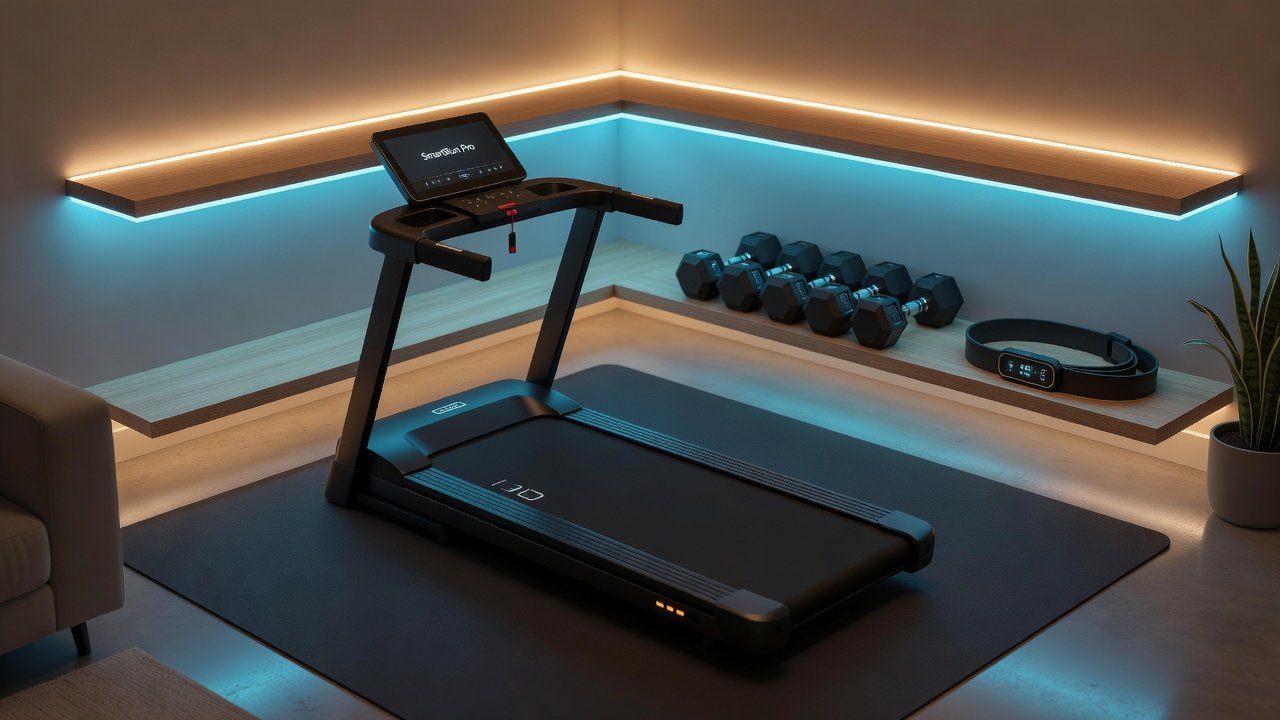
Energy-efficient systems form the backbone of sustainable home gyms. Smart plugs and sensors monitor power consumption in real time, allowing users to identify and eliminate standby waste from equipment. App-based tracking integrates seamlessly with wearables to log progress, set goals, and even adjust lighting or music automatically. This level of connectivity transforms a basic workout area into a data-rich environment that supports long-term fitness journeys.
Compared to traditional setups that rely on manual switches and paper logs, smart integrations provide actionable insights that keep users motivated. Homeowners report higher consistency when metrics are visualized on mirrors or mobile dashboards, turning abstract goals into tangible achievements.
Real-World Examples from Compact Urban Apartments
In a 400-square-foot New York studio, one homeowner integrated a wall-mounted smart mirror with app connectivity and motion-sensor lighting. This setup allowed workouts in a multi-purpose living area without permanent fixtures. Another example from a Chicago apartment featured voice-controlled resistance bands and energy-efficient fans synced to a central app, creating an immersive experience despite limited square footage. A third case in a Seattle loft combined smart flooring sensors with automated window shades that adjust to prevent glare during morning yoga sessions.
These cases demonstrate how targeted smart upgrades enhance functionality while preserving design aesthetics. Each example highlights the importance of starting small—adding one or two connected devices before expanding the ecosystem.
Mistakes to Avoid and Maintenance Tips
Common pitfalls include choosing non-compatible devices that require multiple apps and overlooking Wi-Fi dead zones in the gym area. Always verify ecosystem compatibility upfront. For maintenance, schedule regular firmware updates and clean sensors to ensure accurate tracking. Dust buildup on smart mirrors can interfere with camera performance, so establish a simple cleaning routine as part of your gym upkeep.
FAQ
How do I ensure smart devices work together in my gym?
Choose products from the same ecosystem or verify cross-compatibility through manufacturer specifications before purchase.
What are common challenges with app-based tracking?
Connectivity drops and data syncing issues often arise; maintain strong Wi-Fi and update firmware regularly to minimize problems.
Can smart upgrades improve energy efficiency?
Yes, automated lighting and equipment scheduling reduce unnecessary power consumption compared to traditional always-on setups. Learn more from energy efficiency resources.
Is professional installation necessary?
For wiring and structural elements, yes—especially in rentals or older buildings to ensure compliance and safety.
How do voice controls enhance the workout experience?
Voice commands allow hands-free adjustments to music, lighting, and timers, keeping focus on form and intensity without interruptions.
Conclusion
Smart home upgrades elevate modern home gym designs by combining motivation, safety, and efficiency. Through careful selection of mirrors, lighting, and controls, plus attention to wiring and installation, homeowners can create inspiring spaces tailored to 2026 wellness trends. Explore additional guidance on physical activity benefits from CDC resources and wellness insights at Mayo Clinic to maximize your renovated gym's impact. With thoughtful planning, your smart gym becomes a cornerstone of daily wellness that grows with your needs over time.
No comments yet. Be the first!