 Fixated on Home
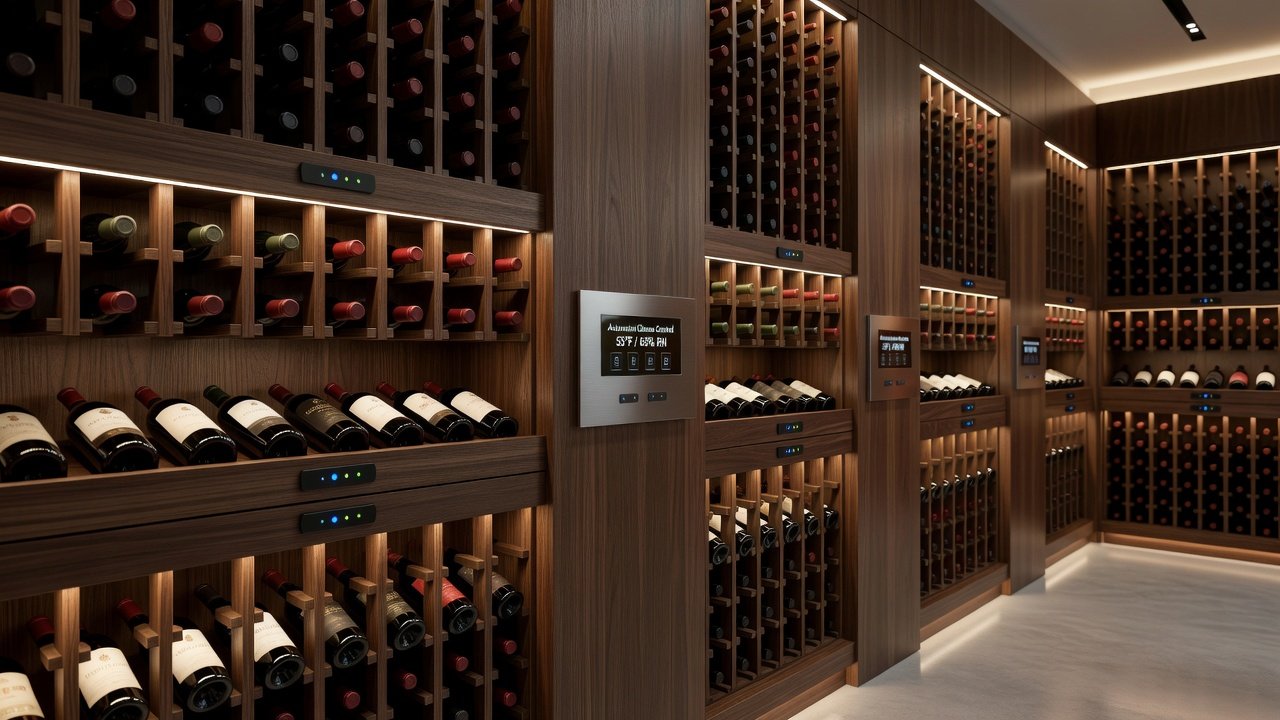
Smart wine cellars represent a sophisticated fusion of preservation science and cutting-edge home automation, making them a standout feature in 2026 luxury renovations. Homeowners increasingly seek specialized storage solutions that protect valuable collections from environmental threats while integrating effortlessly with broader smart home ecosystems. This comprehensive guide delves into practical strategies for selecting automated climate systems, linking sensors to central controls, reviewing leading products, executing installations across build types, evaluating energy efficiency, and addressing ongoing maintenance needs to deliver a space that combines elegance with reliable performance.
Selecting Automated Climate Controls
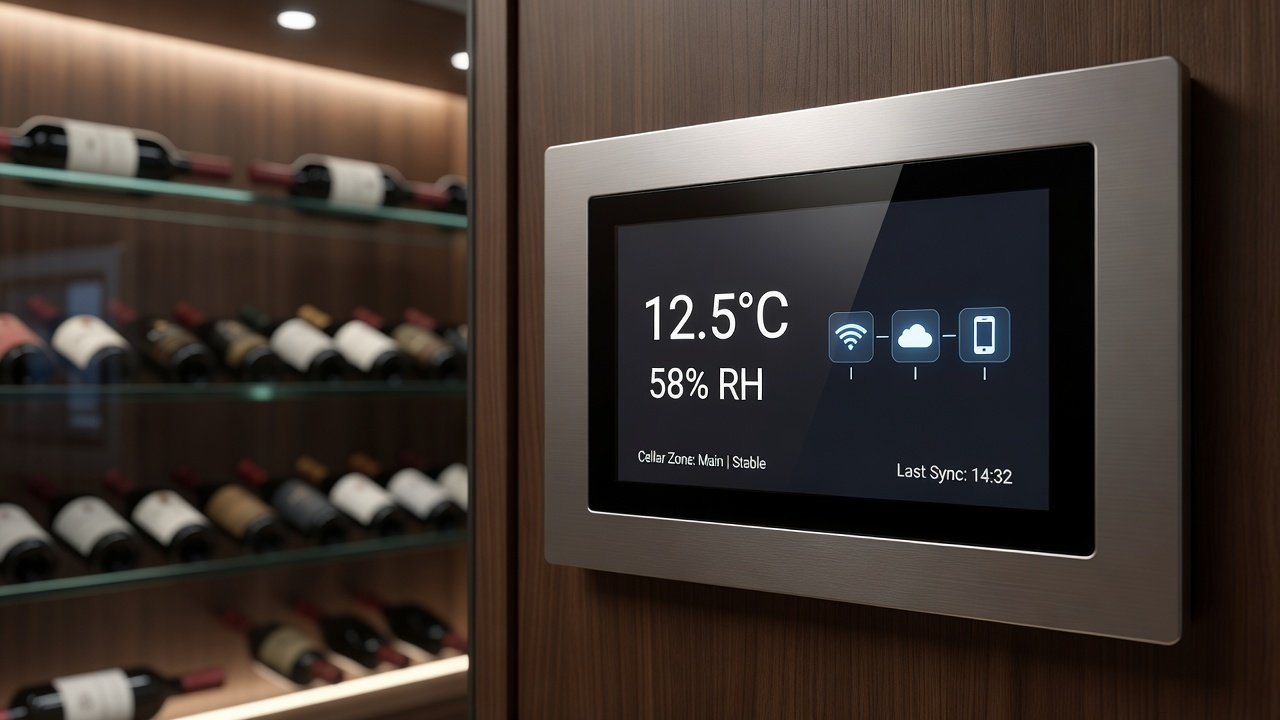
Precise regulation of temperature and humidity forms the foundation of any effective wine cellar. Automated controls leverage advanced sensors and AI algorithms to hold steady conditions around 55 degrees Fahrenheit and 60 to 70 percent relative humidity, adjusting dynamically to external weather shifts or internal load changes. Homeowners should evaluate systems featuring multi-zone capabilities that allow separate settings for red wines, whites, and sparkling varieties, along with built-in vibration reduction to prevent disturbing sediment layers in aged bottles. Additional considerations include compatibility with mobile apps for remote monitoring and alerts that notify users of any deviations before they impact collection quality. Choosing units with modular expansion options ensures the system can grow alongside your inventory, while prioritizing models certified for low noise output maintains the serene atmosphere expected in luxury spaces.
Integrating Sensors with Central Smart Systems
Seamless connectivity between cellar sensors and platforms such as Google Home or Amazon Alexa transforms isolated storage into an interactive component of the entire residence. Real-time data feeds enable immediate responses to temperature spikes or humidity drops, while historical logging supports long-term analysis of environmental trends. Voice-activated commands can adjust lighting, secure doors, or trigger backup cooling modes during power fluctuations. To achieve robust integration, select sensors supporting open communication protocols like Zigbee or Z-Wave for broad device compatibility. Professional technicians can configure automated routines, such as dimming lights when humidity thresholds are approached or syncing with whole-home security systems. This connectivity not only safeguards investments but also adds convenience through unified dashboards accessible from anywhere.
Real-World Product Examples from Leading Brands
Industry leaders like EuroCave and Liebherr produce smart-ready cabinets equipped with Wi-Fi connectivity and intuitive app interfaces that allow precise control from smartphones or tablets. For expansive custom installations, CellarPro modular units pair effectively with third-party monitoring devices to create tailored environments. These products often incorporate sustainable materials and energy-conscious components that align with modern design preferences. Complementing these cooling solutions, custom racking specialists offer options in reclaimed woods or metal finishes that enhance visual appeal while optimizing bottle access and airflow. Homeowners frequently combine multiple brands to achieve a balanced system that showcases collections elegantly and maintains ideal conditions without constant oversight.
Installation Steps for New Builds and Retrofits
Successful implementation begins with careful planning tailored to the project type. In new construction, incorporate dedicated electrical circuits, vapor barriers, and insulated walls during the architectural phase to create an airtight envelope. Install ducted cooling units early, followed by sensor wiring before finishes are applied. For retrofits, conduct a thorough assessment of existing moisture levels and structural integrity, then add insulation panels and upgrade to smart-enabled thermostats. Wireless bridges can facilitate network integration where hardwiring proves impractical. Both scenarios benefit from checklists covering permits, load calculations, and post-installation testing. Following a structured approach minimizes disruptions and ensures the finished cellar meets performance expectations.
- Assess space dimensions and insulation requirements first
- Verify electrical capacity and plan dedicated circuits
- Install cooling units and seal all penetrations
- Connect sensors and test connectivity with the central hub
- Calibrate systems and document baseline readings
Comparing Energy-Efficient Options
Energy performance plays a vital role in long-term satisfaction and environmental responsibility. Compressor-based systems with variable-speed technology generally outperform basic thermoelectric models in larger cellars by maintaining consistent conditions with lower overall consumption. Look for features including LED illumination, automatic defrost cycles, and smart scheduling that reduce unnecessary operation. Resources from the U.S. Department of Energy provide guidance on efficiency ratings and incentives for high-performing equipment. Additionally, consulting materials from the U.S. Environmental Protection Agency helps homeowners select options that support sustainable building practices. Comparing these factors side by side reveals clear advantages for variable-speed units in both operational savings and reduced environmental impact over the lifespan of the installation.
Maintenance Best Practices and Common Pitfalls
Routine care preserves system reliability and wine quality. Schedule professional inspections twice annually to clean components, recalibrate sensors, and verify firmware updates. Homeowners should also monitor backup power solutions and test alert functions monthly. Common mistakes include overlooking door seal integrity, which leads to energy waste, or neglecting to account for future collection growth during initial sizing. Avoiding these issues through proactive planning results in a cellar that operates smoothly for decades.
FAQ
- How often should I service smart wine cellar systems? Professional maintenance twice per year ensures optimal sensor accuracy and cooling efficiency.
- What maintenance is required for integrated smart features? Regular firmware updates and periodic battery checks for backup systems maintain uninterrupted connectivity.
- Are there cost considerations for these upgrades? Investments vary by scale and features, with energy-efficient models often delivering noticeable utility reductions over time.
Conclusion
Implementing smart upgrades in a wine cellar elevates both the functional protection of your collection and the overall luxury of your home. By focusing on advanced climate automation, thoughtful integrations, detailed installation processes, and efficient equipment choices, you create a durable, high-performing space that enhances daily living and property value for years to come.
No comments yet. Be the first!