 Fixated on Home
Introduction to Smart Glass Windows in 2026
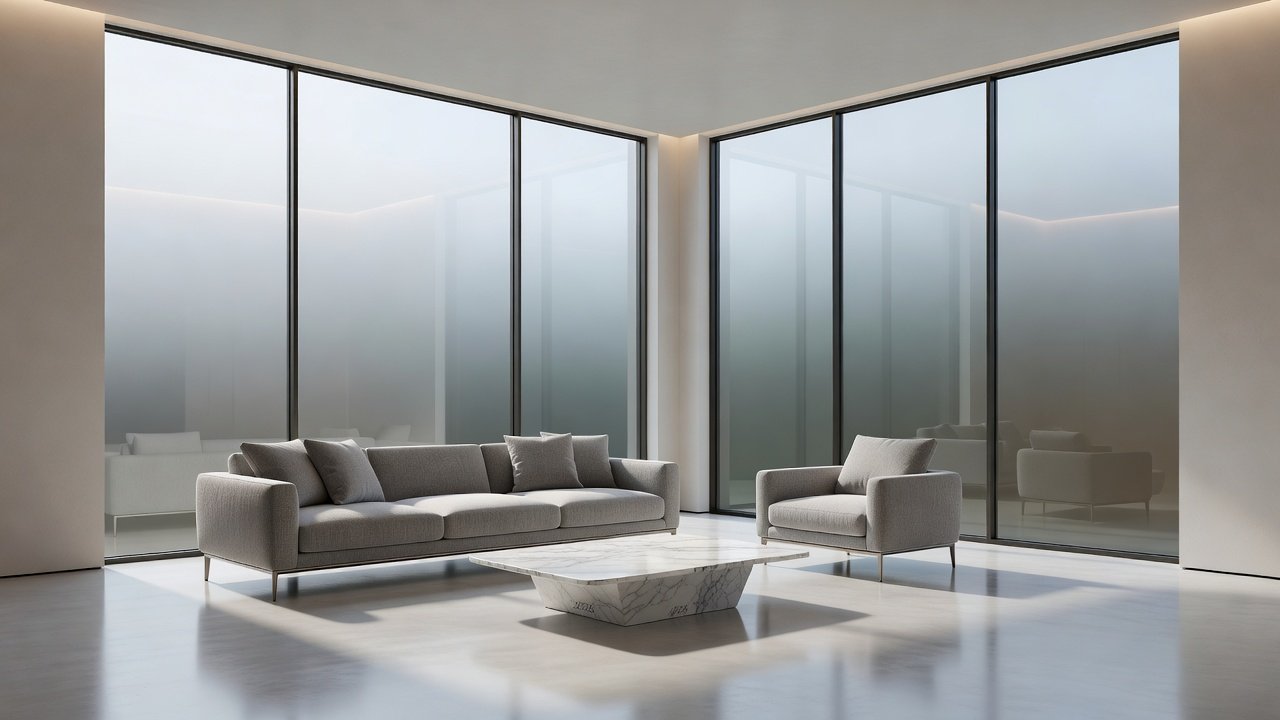
Homeowners seeking modern upgrades are increasingly turning to smart glass windows for their blend of privacy, energy efficiency, and seamless technology integration. In 2026, these advanced materials offer dynamic control over light and visibility, making them ideal for phased renovations focused on long-term value and design harmony. As residential architecture evolves toward sustainability and connectivity, smart glass stands out as a versatile solution that adapts to daily needs without compromising aesthetics.
Smart glass technology responds to electrical signals or user inputs to switch between transparent and opaque states. This capability supports both residential aesthetics and practical benefits like reduced utility consumption. Whether installed in living areas, bedrooms, or bathrooms, the technology provides homeowners with unprecedented control, transforming how spaces function throughout the day and across seasons.
Understanding Electrochromic and PDLC Smart Glass Options
Two primary technologies dominate the market: electrochromic glass and polymer-dispersed liquid crystal (PDLC) glass. Electrochromic options gradually tint when voltage is applied, providing smooth transitions ideal for large windows and expansive facades where gradual light modulation enhances comfort. PDLC glass switches instantly between clear and frosted states, excelling in privacy-focused applications such as bathrooms, partition walls, or entryways where immediate opacity is preferred.
Both types enhance energy efficiency by blocking solar heat gain during peak hours. Homeowners planning upgrades can select based on response speed needs and architectural integration. Electrochromic variants often suit exterior applications due to their durability under varying weather conditions, while PDLC excels in interior uses where rapid state changes support flexible room configurations. Comparing the two reveals trade-offs in power consumption, tint levels, and compatibility with framing systems, helping buyers align choices with specific renovation goals.
Privacy Features and Energy Efficiency Benefits
Privacy is a standout advantage, allowing instant opacity without blinds or curtains. This maintains natural light while protecting interiors from external views. Energy performance improves through dynamic shading that reduces reliance on HVAC systems and artificial lighting. In practice, homeowners report cooler indoor temperatures during summer afternoons and warmer retention in winter, directly supporting lower monthly utility demands.
Studies from the U.S. Department of Energy highlight how advanced glazing contributes to lower overall building energy use. In residential settings, these windows support sustainable living by optimizing passive solar control year-round. Additional benefits include reduced glare on screens and furniture fading prevention, making smart glass a holistic upgrade for health-conscious and design-oriented households.
App Integration with Existing Smart Ecosystems
Modern smart glass connects via dedicated mobile apps or protocols like Zigbee and Z-Wave. Integration with platforms such as Amazon Alexa, Google Home, or Apple HomeKit enables voice commands, scheduling, and automation based on time of day or occupancy sensors. For example, windows can automatically tint at sunrise to reduce morning glare or clear at dusk for optimal views, all without manual intervention.
For phased upgrades, compatibility ensures new windows work alongside existing smart lighting and thermostats. Developers provide APIs for custom routines, enhancing user control without requiring full system overhauls. Practical setup involves pairing devices through a central hub, testing response times, and creating scenes that coordinate multiple elements like shades, lights, and climate controls for seamless daily operation.
Real-World Installation Steps for Homeowners
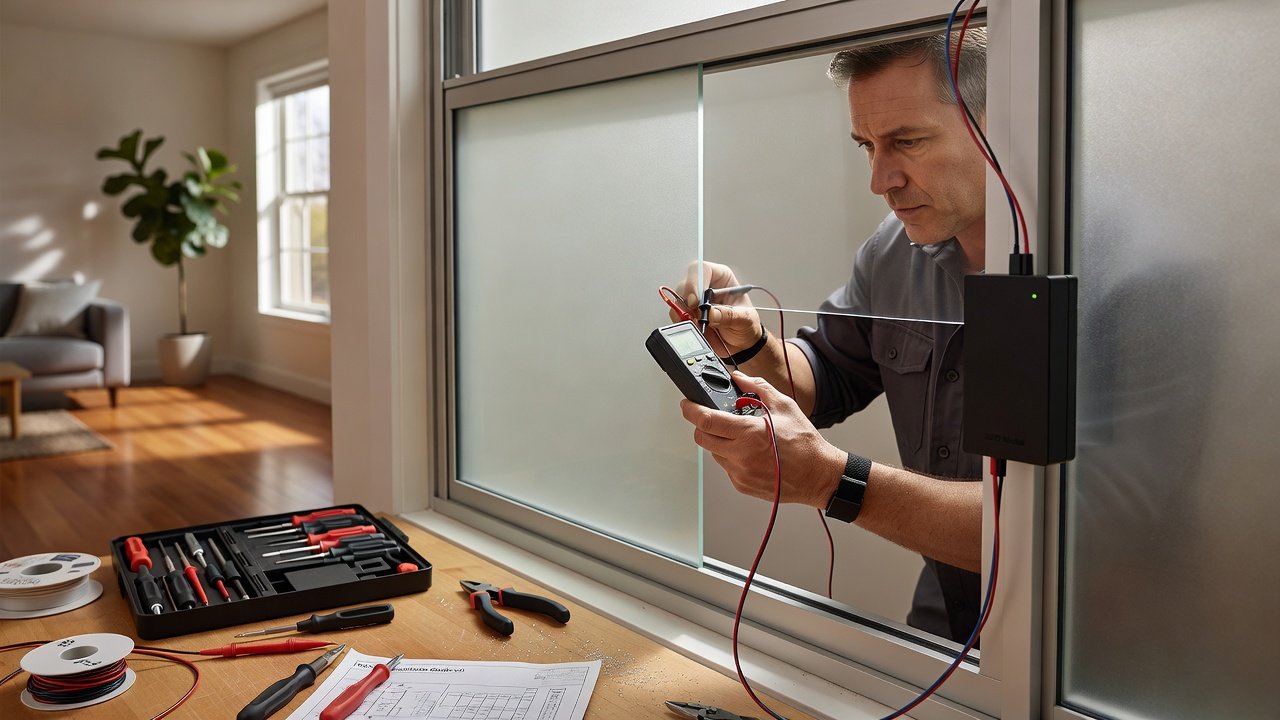
Professional installation begins with site assessment to measure openings and verify electrical access. Windows are then framed similarly to traditional units, followed by wiring for power and control modules. Calibration ensures proper tinting response across all panels. Homeowners should coordinate with certified installers familiar with local building codes to avoid common pitfalls such as improper sealing or electrical mismatches.
Typical timelines span several days per room, allowing minimal disruption during phased projects. Post-install testing confirms seamless app connectivity and manual overrides. Additional considerations include ensuring adequate power supply points near each window and planning for future expansions, such as adding sensors or integrating with emerging voice assistants. Detailed walkthroughs often cover safety protocols, weatherproofing techniques, and troubleshooting initial connectivity issues to guarantee reliable long-term performance.
Cost Comparisons Versus Traditional Windows
While upfront investments exceed standard double-pane windows, smart glass delivers added functionality that justifies the premium for many households. Factors include material type, window size, and integration complexity. Long-term savings arise from reduced energy bills and eliminated need for additional shading devices. Traditional windows often require frequent replacements of blinds, curtains, or films, adding ongoing expenses that smart glass avoids entirely.
Comparisons show traditional windows require ongoing maintenance for blinds or films, whereas smart options offer durability and adaptability. Qualitative evaluations favor smart glass in high-visibility or energy-conscious homes, where the combination of privacy control and efficiency gains creates superior overall value across multi-year ownership periods.
Case Studies from Recent Renovations
A suburban family home in 2025 incorporated electrochromic glass across south-facing facades, achieving noticeable comfort improvements during summer months through automated tinting schedules. Another urban loft project used PDLC panels in interior partitions, enhancing flexible room division while preserving open-plan aesthetics and allowing quick privacy adjustments for work-from-home setups.
These examples illustrate design harmony, with frames matching existing trim and controls integrated into wall switches. Renovators reported enhanced property appeal and easier compliance with efficiency standards. A third case involved a coastal residence where smart glass helped mitigate intense sunlight exposure, reducing cooling loads and protecting interior furnishings from UV damage over time. Each project demonstrates how thoughtful selection and professional execution lead to measurable improvements in livability and sustainability metrics.
ROI Calculations for Utility Savings
Return on investment stems primarily from energy reductions in heating, cooling, and lighting. Smart glass minimizes heat transfer, supporting lower HVAC loads across seasons. Over time, these efficiencies compound, particularly in regions with extreme climates. Homeowners can track progress by comparing pre- and post-installation utility statements, factoring in variables like local energy rates and seasonal weather patterns.
Phased implementation allows owners to prioritize high-impact areas first, tracking savings incrementally. Design harmony ensures aesthetic consistency, boosting resale value alongside operational benefits. Broader considerations include potential eligibility for efficiency incentives and the intangible value of improved occupant comfort and reduced maintenance demands over the product's lifespan.
Common FAQs on Maintenance
- How often should smart glass be cleaned? Use mild soap solutions and soft cloths; avoid abrasives that could damage coatings.
- What happens during power outages? Most systems default to a transparent state or retain the last setting depending on the model.
- Are there warranty considerations? Manufacturers typically cover electronics for 5–10 years; confirm details with suppliers.
- Can existing windows be retrofitted? Full replacement is standard, though some films offer partial upgrades for testing purposes.
- How does seasonal maintenance differ? Inspect seals and connections annually, especially after extreme weather events.
Conclusion
Smart glass windows represent a forward-thinking choice for 2026 home upgrades. By prioritizing privacy, efficiency, and smart integration, homeowners achieve lasting value while aligning with contemporary design principles. Exploring options through qualified professionals ensures optimal outcomes tailored to individual renovation timelines and long-term sustainability objectives.
No comments yet. Be the first!