 Fixated on Home
Introduction to Smart Luxury Wine Cellars
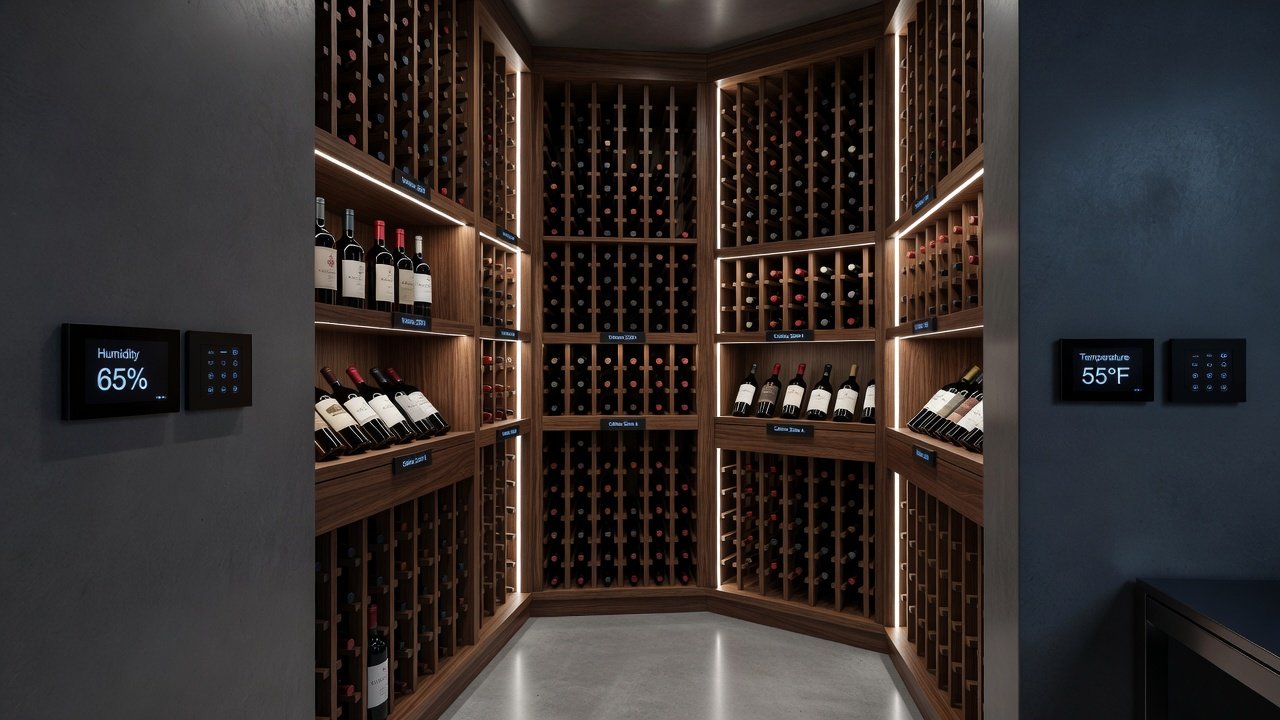
Integrating smart home technology into luxury wine cellar designs transforms traditional storage into sophisticated, efficient spaces that protect valuable collections while enhancing modern home aesthetics. In 2026, homeowners are increasingly blending advanced sensors, automation, and connectivity to maintain optimal conditions for wine preservation. This approach not only safeguards vintages but also adds significant appeal to high-end properties through seamless smart ecosystem integration. The growing demand stems from the desire to combine timeless elegance with cutting-edge functionality, allowing collectors to monitor and manage their cellars remotely while ensuring perfect environmental conditions year-round.
Whether renovating an existing cellar or building new, these upgrades address key challenges like precise climate control, inventory management, and security. The result is a functional yet elegant space that reflects contemporary living standards. Homeowners benefit from reduced risk of spoilage, easier collection management, and enhanced property value through thoughtful technology integration that feels invisible yet powerful.
Climate and Humidity Sensors for Optimal Preservation
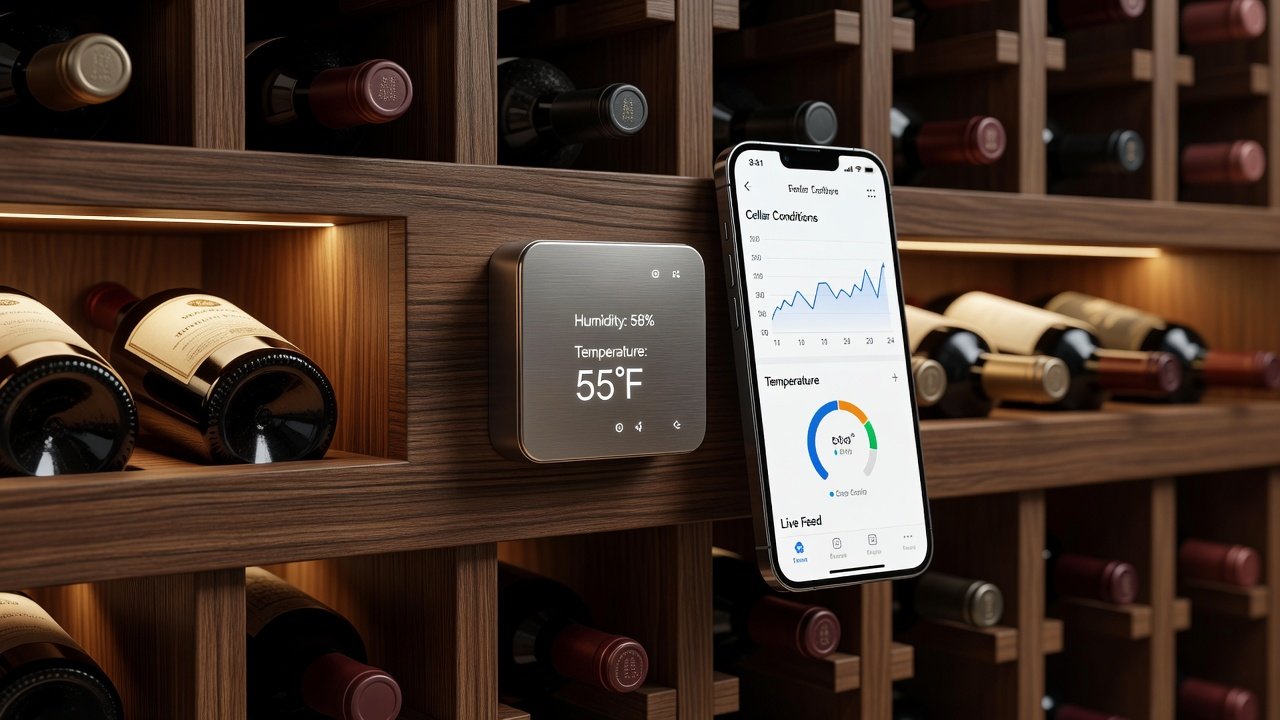
Precise temperature and humidity control form the foundation of any luxury wine cellar. Smart sensors now offer real-time monitoring and automated adjustments via mobile apps or voice commands. These devices connect to central home hubs, alerting owners to fluctuations that could damage wines. Advanced models include multi-zone monitoring to handle different sections of the cellar, such as red wine storage versus sparkling varieties, each requiring slightly varied conditions.
Installation typically begins with selecting sensors compatible with existing smart platforms. Place units at multiple points within the cellar to account for microclimates. Connect them to HVAC systems for automatic regulation, ensuring temperatures stay between 55-58°F and humidity around 60-70%. In 2026 projects, many installations incorporate predictive analytics that learn from historical data to preemptively adjust settings before issues arise.
Step-by-Step Installation Guidance
- Assess your current cellar layout and identify optimal sensor locations, considering airflow and rack positioning.
- Choose wireless sensors with long battery life and app integration that support your preferred smart home platform.
- Pair devices with your smart home system following manufacturer instructions, ensuring secure Wi-Fi or Zigbee connections.
- Calibrate sensors and set custom alerts for deviations, including thresholds for temperature spikes or humidity drops.
- Test the system over several days to confirm stability and integrate with backup power sources for reliability during outages.
Real-world examples from recent renovations show how these sensors integrate with whole-home automation, creating alerts that sync with lighting or security systems for a unified response.
Automated Inventory Tracking via Apps
Managing a large wine collection becomes effortless with automated inventory systems. RFID tags or barcode scanners integrated into cellar shelving allow apps to track bottles, locations, and aging profiles. Users receive recommendations for optimal drinking windows based on data analytics, helping avoid over-aging or missing peak consumption periods. These systems often include photo recognition features where users scan labels for instant database entry and detailed tasting notes.
This technology pairs well with smart lighting and climate controls, creating a unified management interface. Homeowners can access their collection remotely, plan tastings, or share details with guests through secure links. Examples from 2026 luxury homes demonstrate apps that generate reports on collection value trends and suggest pairings based on external data feeds.
Learn more about energy-efficient smart home integrations from the U.S. Department of Energy.
LED Lighting Automation
LED lighting upgrades provide both ambiance and functionality while minimizing heat output that could affect wine conditions. Automated systems use motion sensors and timers to illuminate racks only when needed, with customizable color temperatures to highlight labels or create mood lighting. Full-spectrum options enhance label visibility without UV exposure risks common in older incandescent setups.
Compare setups by evaluating dimming capabilities and integration ease. Basic systems focus on energy savings, while premium options include app-based scheduling and synchronization with other smart devices. In practice, many 2026 installations feature zoned lighting that activates different sections independently, allowing selective viewing of specific vintages.
Security Integrations for Peace of Mind
Protecting a valuable wine collection requires robust security. Smart locks, cameras, and motion detectors integrate with home security platforms to monitor access and send instant notifications. Biometric entry or app-controlled access adds layers of protection without compromising design elegance. Advanced setups include environmental sensors that detect tampering or unusual activity, triggering both local alarms and remote alerts.
Real-world 2026 projects often feature concealed sensors that blend into woodwork or stone, maintaining the cellar's luxurious aesthetic. These systems also support remote monitoring during travel, with video feeds accessible via encrypted apps. Integration with broader home security allows for coordinated responses, such as locking down the cellar during a general alert.
Explore IoT security best practices from the National Institute of Standards and Technology.
Compatibility with Existing Smart Ecosystems
Ensuring new upgrades work with platforms like Apple HomeKit, Google Home, or Amazon Alexa is essential for seamless operation. Most 2026 devices support multiple protocols including Zigbee, Z-Wave, and Wi-Fi, reducing the need for additional hubs. Testing compatibility during planning prevents integration headaches later.
Mistakes to Avoid During Installation
- Overlooking proper sensor placement, which can lead to inaccurate readings in corners or near vents.
- Choosing devices without sufficient encryption, exposing the system to potential breaches.
- Ignoring backup power solutions that keep monitoring active during outages.
- Failing to update firmware regularly, leaving vulnerabilities unaddressed.
FAQ
How do smart upgrades impact energy efficiency?
Automated systems optimize power use by activating features only as needed, often reducing overall consumption compared to always-on traditional setups through intelligent scheduling and sensor-driven controls.
Are these technologies compatible with existing smart ecosystems?
Most modern sensors and apps support popular platforms like Apple HomeKit, Google Home, and Amazon Alexa for broad compatibility, with many offering multi-protocol support for easy addition to current setups.
What maintenance is required for smart wine cellar components?
Regular firmware updates and occasional sensor calibration ensure ongoing accuracy and security, typically requiring only a few minutes monthly via app interfaces.
Can these systems handle large collections spanning multiple rooms?
Yes, scalable designs allow expansion with additional sensors and RFID readers, supporting collections across several zones with centralized app control.
Do smart upgrades require professional installation?
While DIY options exist for basic sensors, complex integrations involving HVAC or security often benefit from certified installers to ensure optimal performance and warranty compliance.
Conclusion
Smart home upgrades elevate luxury wine cellars into high-tech sanctuaries that preserve collections flawlessly while fitting seamlessly into contemporary lifestyles. By focusing on climate control, inventory, lighting, and security, homeowners achieve both sophistication and practicality in their 2026 renovations, creating spaces that delight both the senses and the mind.

No comments yet. Be the first!