 Fixated on Home
Introduction to Solar-Powered Smart Homes in 2026
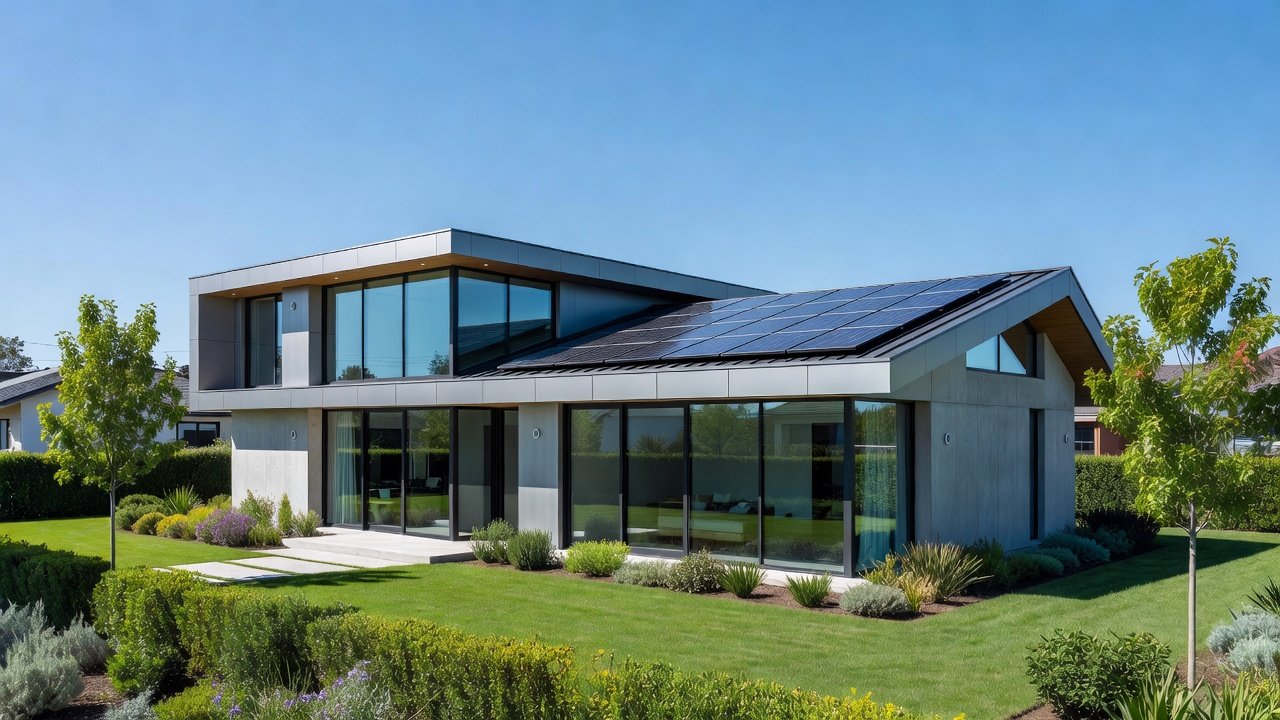
Homeowners are increasingly turning to solar-powered smart home upgrades to create sustainable living spaces that reduce energy bills and environmental impact. In 2026, combining photovoltaic systems with intelligent automation offers seamless control over lighting, heating, and appliances while harnessing renewable energy. This approach aligns perfectly with modern renovation trends focused on long-term savings and eco-friendly design. The synergy between solar panels and smart devices allows real-time monitoring and optimization, making homes more efficient than ever before. Whether upgrading an existing property or planning a full renovation, these technologies deliver measurable benefits in comfort and sustainability. As energy costs fluctuate and climate awareness grows, integrating solar with smart tech provides both immediate convenience and future-proofing for residential properties.
Beyond basic savings, these upgrades enhance property value and appeal to environmentally conscious buyers. Smart systems can learn household patterns, automatically adjusting energy use to maximize solar output during daylight hours. This creates a dynamic, responsive home environment that feels both modern and responsible.
Selecting Compatible Solar-Smart Systems
Choosing the right components starts with assessing your home's energy needs and roof orientation. Look for solar inverters that integrate directly with smart home hubs from major ecosystems like Google Home or Amazon Alexa. Compatibility ensures features such as automated energy routing during peak sunlight hours and voice-controlled appliance management. Key factors include battery storage capacity for nighttime use, weather-resistant smart sensors, and scalable software platforms. Homeowners should prioritize systems certified for interoperability to avoid future compatibility issues during expansions.
Evaluating Battery and Inverter Options
Battery storage plays a central role in solar-smart setups, allowing excess daytime power to power evening activities. Pair this with inverters that communicate seamlessly with smart thermostats and lighting controls. Consider modular designs that let you add capacity later without replacing the entire system.
Smart Hub Integration Tips
Ensure your chosen hub supports multiple protocols including Wi-Fi, Zigbee, and Z-Wave for broad device support. Test app interfaces during selection to confirm they provide clear energy dashboards and scheduling tools. Reading user reviews from recent installations helps identify reliable combinations.
Installation Steps for Beginners
Beginners can follow a structured process to integrate these upgrades safely. First, conduct a professional energy audit to map consumption patterns. Next, select and purchase compatible equipment through verified suppliers. Always hire certified electricians for wiring to ensure compliance with safety standards.
- Obtain necessary permits from local authorities and schedule inspections.
- Install solar panels on south-facing roofs with optimal tilt angles for maximum exposure.
- Connect inverters and batteries to the home's electrical panel using approved methods.
- Set up smart hubs and pair devices via Wi-Fi or Zigbee protocols for unified control.
- Configure automation rules through mobile apps for energy optimization and alerts.
- Test the full system during different weather conditions to verify performance.
Document every step with photos for warranty and future reference purposes. 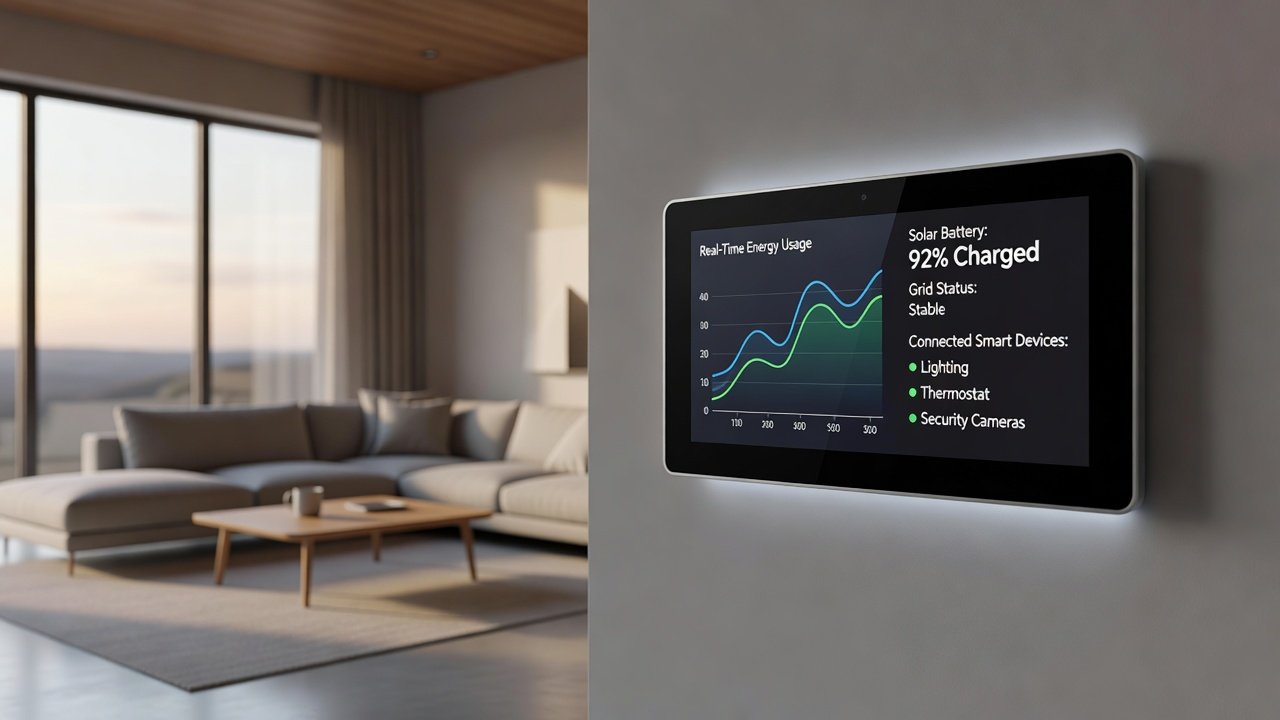
Real-World Case Examples
Consider a suburban family home in California that retrofitted solar panels with smart thermostats and lighting in early 2026. The system automatically adjusts shades and appliances based on solar production, cutting grid reliance significantly while maintaining comfortable indoor temperatures. Another example involves an urban apartment building where shared solar arrays power individual smart units, demonstrating scalability for multi-family properties. A third case from a rural property shows how off-grid smart solar setups with water pumps and security cameras provide reliable power during outages, highlighting resilience benefits.
Comparisons of Leading Products
Popular options include Tesla Powerwall paired with its app ecosystem versus Enphase microinverters integrated with smart plugs. Tesla offers robust battery backup with seamless app control, while Enphase excels in modular expansion and detailed analytics. Homeowners should evaluate warranty lengths, app usability, and third-party integrations when deciding. Additional contenders like Sonnen batteries emphasize European engineering precision and community energy sharing features. Comparing user interfaces reveals differences in data visualization and ease of scheduling routines.
Calculating ROI for Solar-Smart Upgrades
Return on investment depends on local sunlight hours, electricity rates, and available incentives. Track savings using built-in monitoring tools to refine usage patterns over time. Break down calculations by separating hardware costs from installation labor, then factor in reduced utility expenses and potential property value increases. Many homeowners see payback periods accelerated by combining federal and local programs. For deeper insights, review resources from U.S. Department of Energy on federal programs and EPA guidelines for sustainable building practices.
Maintenance, Incentives, and Common FAQs
Routine maintenance involves cleaning panels quarterly and updating firmware for smart devices. Most systems require minimal intervention beyond annual professional inspections. Incentives vary by region but often include tax credits and rebates that offset initial investments.
- How long do solar panels last? Modern panels maintain efficiency for 25+ years with proper care.
- What incentives exist in 2026? Check state-specific rebates and the federal Investment Tax Credit for qualifying installations.
- Is professional installation required? DIY is possible for simple components, but electrical work demands experts.
- How do smart features affect maintenance? Automated alerts notify owners of issues like reduced output before they escalate.
Additional guidance is available via National Renewable Energy Laboratory publications on emerging technologies and ENERGY STAR resources for efficient home products.
Common Mistakes to Avoid
Many first-time renovators overlook shading analysis, leading to suboptimal panel placement. Another frequent error is selecting incompatible smart protocols that limit future expansions. Always verify local building codes early and budget for ongoing software subscriptions if applicable. Avoiding these pitfalls ensures smoother projects and better long-term performance.
Conclusion
Solar-powered smart home upgrades represent a forward-thinking investment for 2026 renovations. By carefully selecting systems, following installation best practices, and understanding ROI, homeowners achieve sustainable, cost-effective living. Start planning today to enjoy the benefits of integrated renewable energy and intelligent automation.
No comments yet. Be the first!