 Fixated on Home
Introduction: Adapting Modern Homes for Work, Leisure, and Family Life
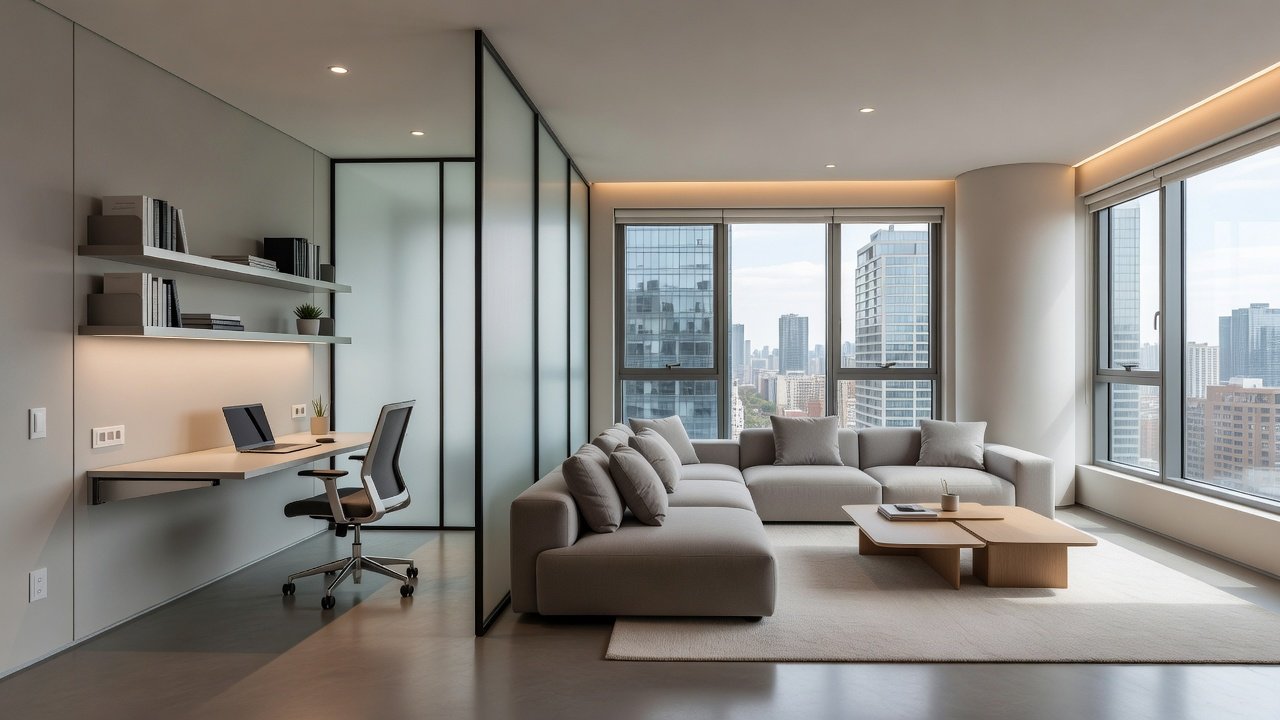
In 2026, homeowners are increasingly transforming single rooms into versatile spaces that shift seamlessly between work, relaxation, and family activities. Smart home upgrades make this possible through energy-efficient automation that enhances functionality without compromising sleek design. This guide explores practical solutions tailored for urban apartments and modern homes, focusing on modular sensors, voice-activated dividers, and adaptive lighting zones. Flexible renovation ideas blend technology with aesthetics, allowing rooms to adapt in real time. Whether converting a living area into a home office during the day or a play zone at night, these upgrades support dynamic lifestyles while prioritizing sustainability. The demand for multi-use spaces has grown as remote work and hybrid lifestyles become standard, making thoughtful integration of smart technology essential for comfort and efficiency.
Urban apartments often face space constraints, so the focus remains on non-invasive upgrades that deliver maximum flexibility. Homeowners can achieve professional-level results by combining hardware like sensors with software-driven automation routines. This approach not only saves time but also reduces energy waste, aligning with broader environmental goals promoted by organizations such as the U.S. Department of Energy.
Step-by-Step Planning Process for Multi-Use Smart Spaces
Begin by assessing your room's layout and daily usage patterns. Measure dimensions and identify high-traffic zones, noting natural light sources and electrical outlets. Next, define primary functions—such as workspace, entertainment area, or family hub—and map potential transitions throughout the day. Consult professionals if structural changes are needed, then select compatible smart devices that integrate across ecosystems. Document your findings in a simple diagram to visualize flow between uses.
Finally, test prototypes in small sections before full implementation. Consider factors like family size, pet presence, and future expansion needs. This methodical approach minimizes errors and ensures long-term adaptability in urban settings with limited square footage. Break the project into phases: initial sensor placement, divider installation, and lighting calibration to manage complexity effectively.
Selecting Modular Sensors for Versatile Environments
Modular sensors form the backbone of responsive spaces. These compact devices detect occupancy, light levels, and temperature, triggering automated adjustments. Opt for wireless models that clip onto furniture or walls for easy repositioning as room uses change. Real-world examples from city apartments show sensors enabling automatic climate control when a space shifts from office to lounge. Prioritize battery-powered units with long life cycles for minimal maintenance in multi-use setups.
Advanced options include multi-function sensors that combine motion detection with air quality monitoring, ideal for families concerned about indoor environments. Placement strategy matters: position them at varying heights to capture accurate data across different activities. Integration with central hubs allows custom rules, such as lowering blinds when occupancy drops during work hours.
Voice-Activated Dividers: Flexible Room Separation
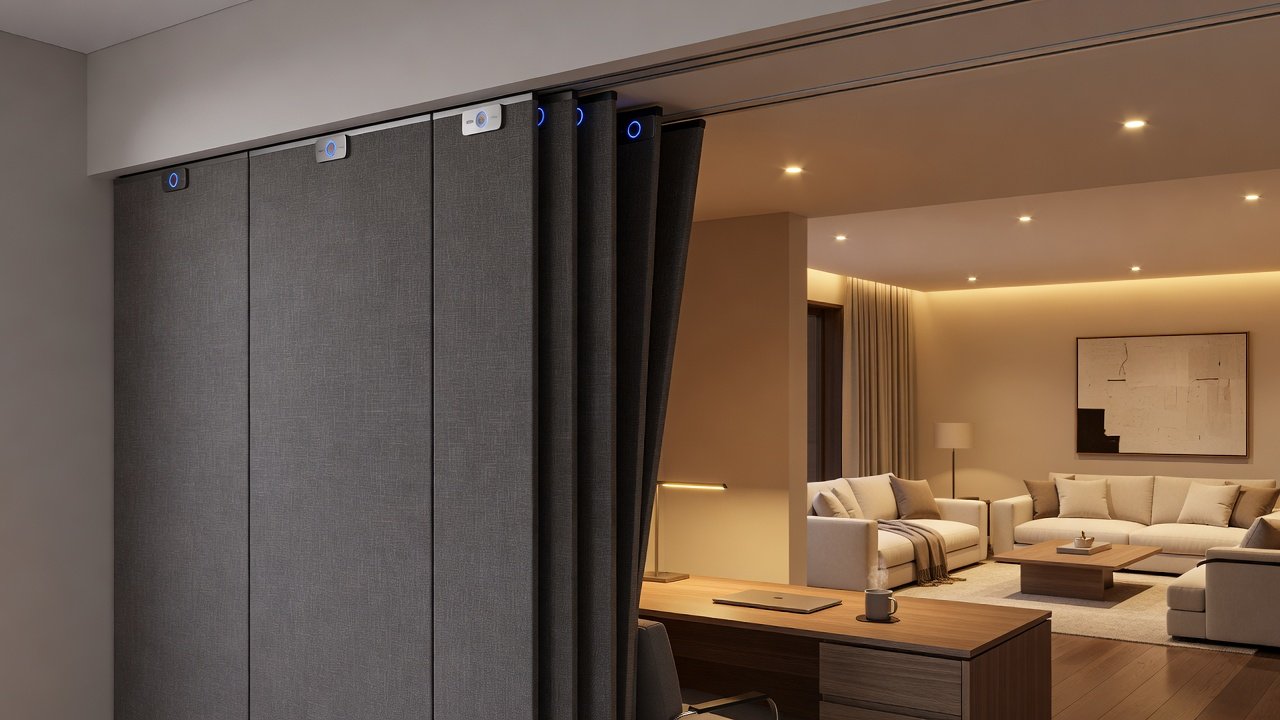
Voice-activated dividers offer instant privacy or openness with simple commands. Integrated with smart assistants, these motorized panels or curtains respond to phrases like "divide the room for work" while retracting for family gatherings. In practice, apartment dwellers use them to create temporary offices without permanent walls. Choose systems with quiet motors and fabric options that match interior decor for a polished look. Installation typically involves ceiling or wall mounts and can be completed in a few hours with basic tools.
Compare fabric-based systems versus rigid panel options based on your aesthetic preferences and soundproofing needs. These dividers enhance privacy during video calls while allowing quick reconfiguration for evening relaxation. Maintenance involves occasional fabric cleaning and firmware updates to keep voice recognition responsive.
Adaptive Lighting Zones for Mood and Productivity
Adaptive lighting zones use tunable LEDs and smart controls to alter ambiance based on activity. Set cool white tones for focused work sessions and warm hues for evening leisure. Zones can be programmed via apps or voice to transition automatically. Examples include living rooms where lighting dims for movie nights yet brightens for children's playtime. This approach supports energy-efficient automation, a key 2026 trend reducing overall household consumption.
Layer lighting with task, ambient, and accent options for greater control. Homeowners report improved productivity and mood regulation when zones align with circadian rhythms. Pair these systems with natural light sensors to further optimize energy use throughout the day.
Energy-Efficient Automation Trends in 2026
Current trends emphasize systems that learn user patterns to minimize waste. Features like predictive scheduling and integration with renewable energy sources are gaining traction. Homeowners benefit from reduced utility bills and lower carbon footprints. Explore platforms that offer detailed usage analytics to refine automation over time. These advancements reflect ongoing research into sustainable building practices supported by institutions like the National Institute of Standards and Technology.
Comparing Popular Smart Ecosystems
Apple HomeKit excels in privacy-focused integrations with seamless iOS support. Google Home offers broad device compatibility and strong voice recognition. Amazon Alexa provides extensive third-party skills for custom routines. Evaluate based on existing devices in your home. Cross-platform hubs can bridge gaps, ensuring all upgrades work harmoniously in dynamic environments.
- Apple HomeKit: Best for users invested in the Apple ecosystem; strong security features.
- Google Home: Ideal for multi-brand setups and advanced AI routines.
- Amazon Alexa: Offers the widest range of compatible hardware and skills marketplace.
Real-World Examples from Urban Apartments
Consider a 600-square-foot loft where modular sensors and adaptive lighting convert the main area from remote workspace to dining space. Voice dividers separate sleeping quarters at night. These setups demonstrate how technology maximizes limited space while maintaining modern aesthetics. Another example involves a studio apartment using zone-based controls to create distinct work and leisure areas within one open floor plan, reducing the need for costly renovations.
Addressing Common Integration Challenges
Compatibility issues can arise when mixing brands, but standardized protocols like Zigbee or Z-Wave help resolve them. Wi-Fi reliability improves with mesh networks for consistent connectivity across zones. Privacy concerns are addressed by selecting ecosystems with local processing options to keep data secure. Maintenance requires scheduling regular firmware updates to prevent glitches in automated systems. A dedicated FAQ helps clarify typical hurdles:
- How do I handle conflicting voice commands across assistants? Use a primary hub to route all requests.
- What if sensors fail to detect small movements? Adjust sensitivity settings or add secondary units.
- Can existing wiring support new lighting zones? Consult an electrician for load assessments.
Conclusion: Embracing Flexible, Efficient Living
Smart home upgrades for multi-use spaces empower homeowners to create adaptable environments that evolve with their needs. By focusing on modular components and energy-efficient features, these solutions deliver both practicality and style in 2026 and beyond. Start small, plan thoroughly, and enjoy the benefits of truly responsive living areas that grow with your lifestyle.
No comments yet. Be the first!