 Fixated on Home
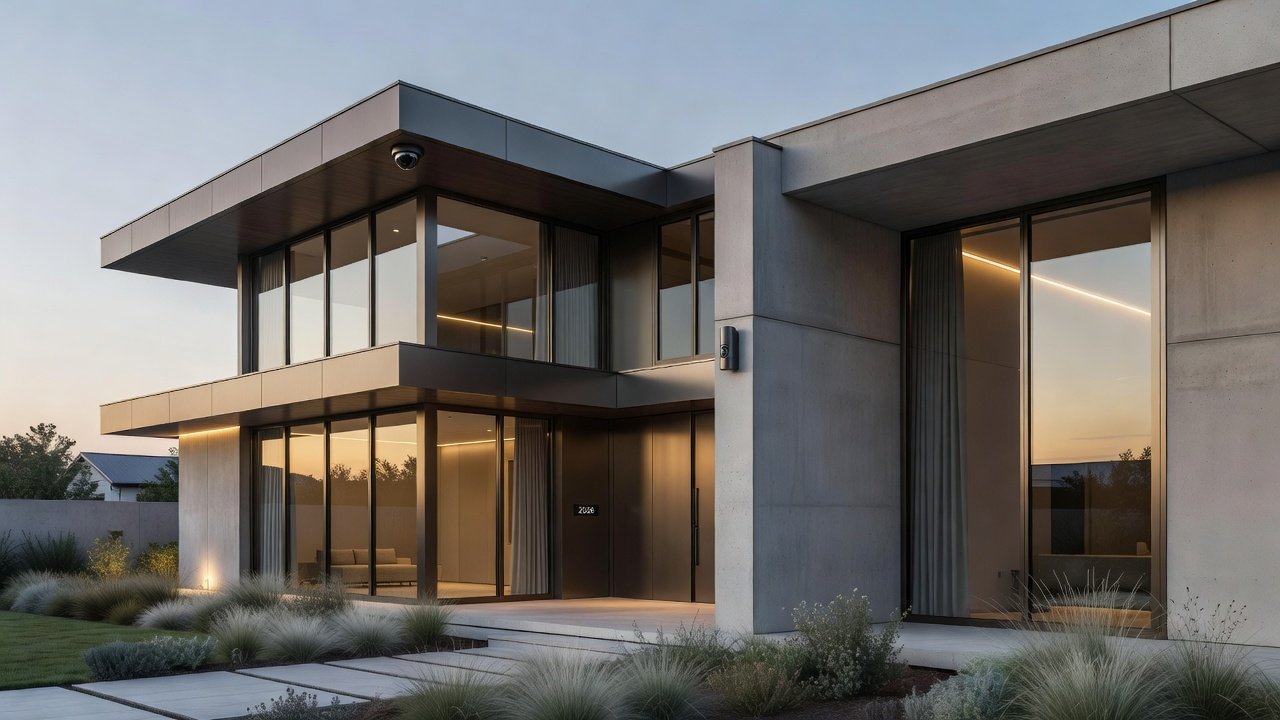
Introduction to Smart Security in Modern Homes
As homeowners plan renovations for 2026, integrating smart security systems has become essential for protecting contemporary properties while maintaining aesthetic harmony. These upgrades blend advanced technology with thoughtful design, ensuring safety without compromising style. This comprehensive guide explores practical steps for incorporating cameras, sensors, and controls into renovation projects, helping readers achieve both protection and visual appeal in their updated spaces. By addressing key elements such as placement strategies, network design, and control interfaces, homeowners can create systems that feel natural within modern layouts rather than added afterthoughts.
Planning Security Integration with Home Design
Successful smart security starts during the renovation planning phase. Work closely with architects and designers to map out device locations early, allowing for hidden wiring routes and structural accommodations that preserve clean lines. Consider factors like natural light patterns, traffic flow through rooms, and material choices that can conceal sensors without affecting performance. In contemporary homes, this means aligning security features with minimalist aesthetics, such as using flush-mounted devices that match wall finishes or incorporating them into built-in shelving. Energy efficiency remains a priority, favoring low-power components that support sustainable practices and reduce overall household consumption. Detailed blueprints at this stage prevent costly retrofits later and ensure the system enhances rather than disrupts the renovation vision.
Optimal Camera Placement Strategies
Strategic camera positioning maximizes coverage while respecting home aesthetics. Place entry-point cameras at doorways and windows using corner mounts that blend seamlessly with trim and architectural details. For outdoor areas, position devices under eaves or within landscaping elements to maintain curb appeal. Indoor cameras should cover high-traffic zones like hallways, living areas, and stairwells without dominating the visual space. Test multiple angles during installation to eliminate blind spots and account for furniture placement that might change over time. 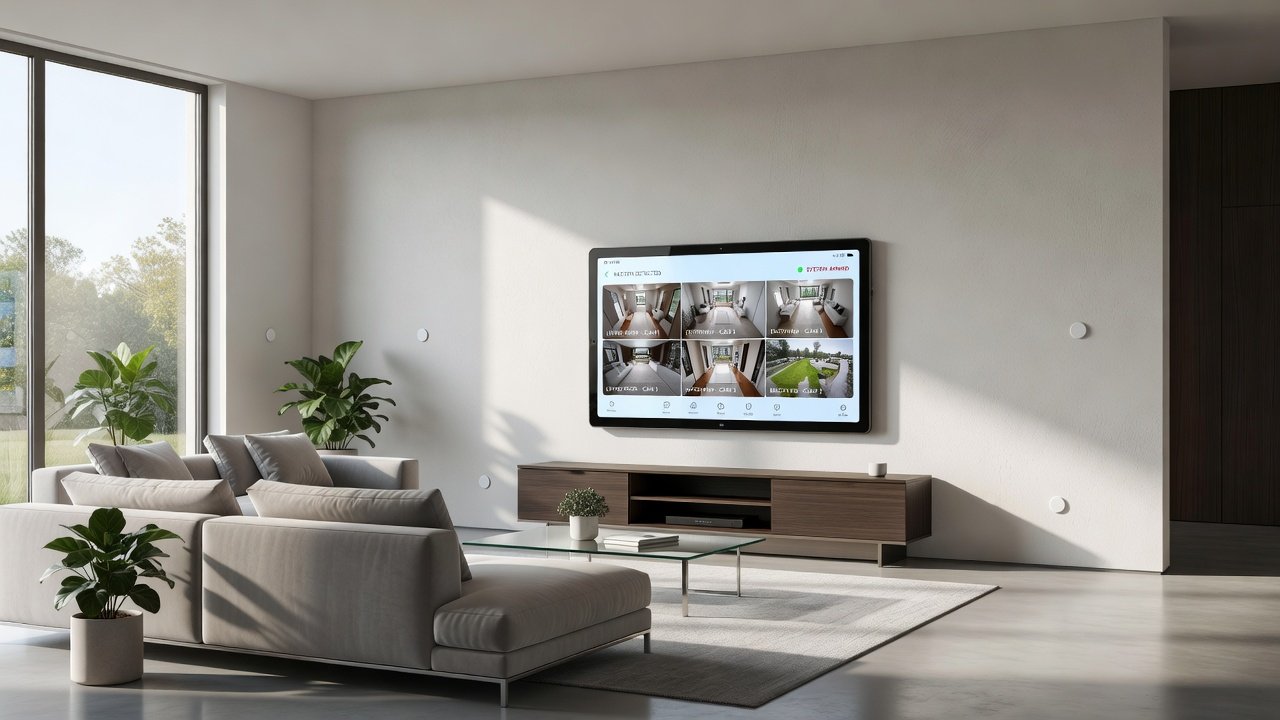
Indoor vs Outdoor Considerations
- Indoor placements focus on motion-activated zones near entry points and valuables, using compact designs that match decor.
- Outdoor models require weatherproofing and integration with siding or fencing for a cohesive look.
- Hybrid approaches combine both for layered protection across the property perimeter and interior.
Building Comprehensive Sensor Networks
Sensor networks form the backbone of any robust smart security setup. Combine door and window contacts, motion detectors, glass-break sensors, and environmental monitors into a unified system that communicates in real time. During 2026 renovations, embed these components while walls are open, routing connections through dedicated channels for invisible results. Central hubs manage data flow using secure wireless protocols, enabling quick responses to triggers. Expand networks gradually by adding zones for garages, basements, or outdoor sheds, tailoring coverage to specific property layouts. This modular approach allows customization based on family needs, such as pet-friendly motion settings or child safety alerts.
App-Based Controls and Automation Features
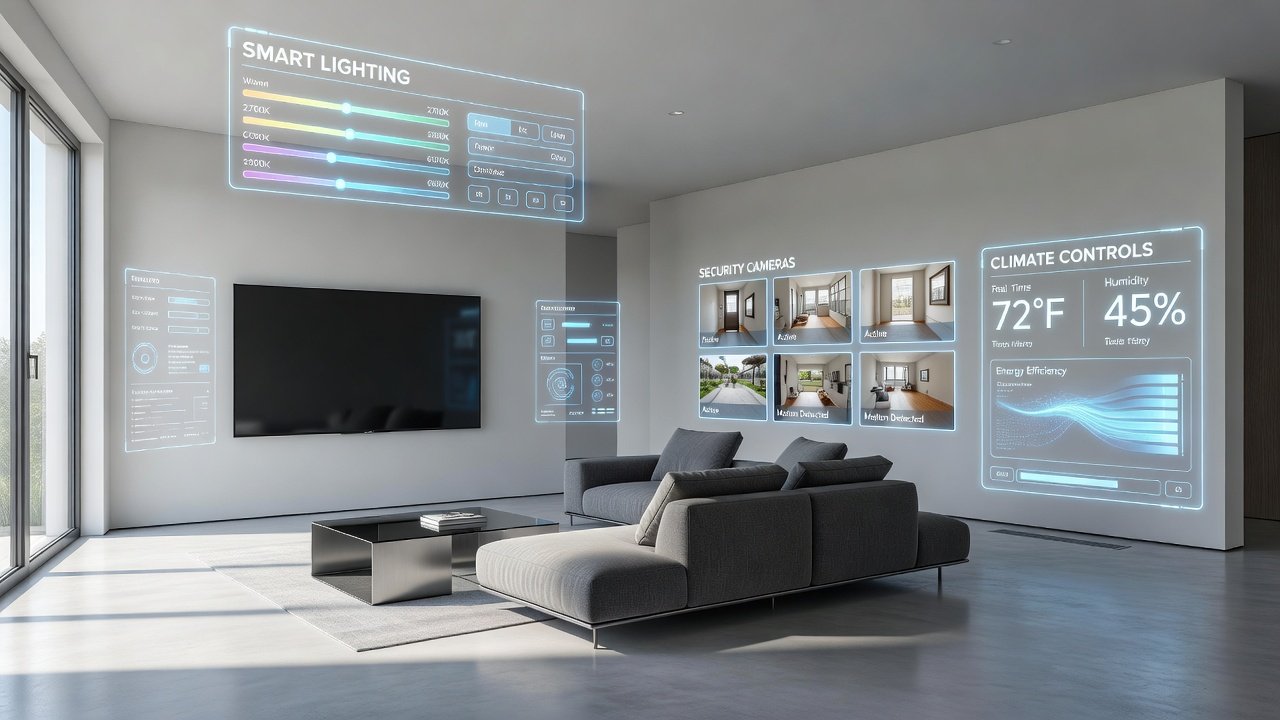
Modern systems depend on intuitive mobile apps for seamless remote management from anywhere. Users can set custom schedules, receive instant notifications, view live feeds, and integrate with voice assistants for hands-free operation. Automation capabilities like geofencing adjust settings automatically when residents leave or return home. Multi-user access ensures every household member can monitor activity, while advanced features include activity logs and customizable alert thresholds. Security best practices recommend enabling two-factor authentication and regular app updates to maintain protection against evolving threats.
Energy Efficiency and Aesthetic Harmony
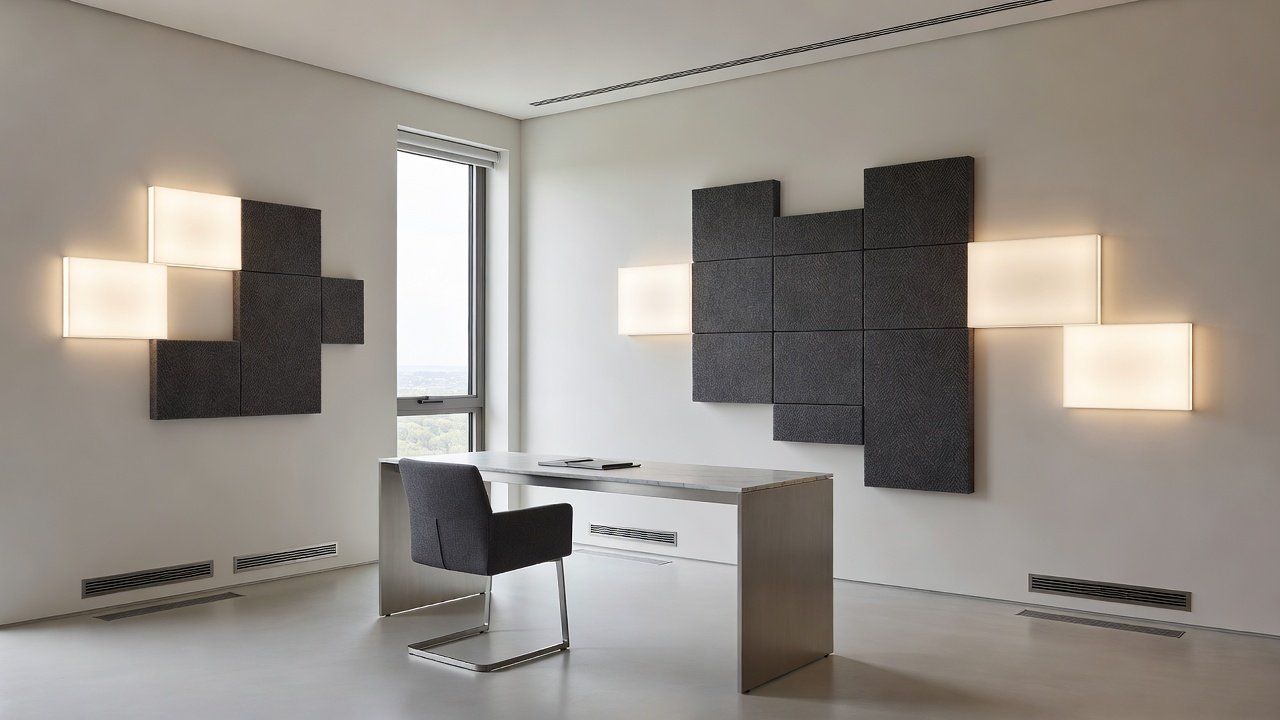
Select devices featuring solar charging options or efficient battery technology to minimize energy draw and align with eco-friendly renovation goals. Aesthetic considerations include choosing finishes that complement interior palettes, such as matte blacks or brushed metals that disappear against contemporary surfaces. U.S. Department of Energy guidance emphasizes how integrated controls can optimize overall home performance. Hidden installations behind panels or within furniture further enhance harmony without sacrificing functionality.
Wired Versus Battery-Powered Options Comparison
Wired systems deliver constant power and stable connections, making them suitable for new construction where cabling can be routed during framing. They excel in high-traffic areas requiring continuous operation. Battery-powered alternatives offer installation flexibility, especially in remodels where walls remain intact, though they require periodic maintenance checks. Weigh factors like reliability during outages, ease of relocation, and long-term upkeep when deciding between the two. Many 2026 setups combine both for optimal coverage across different home zones.
Step-by-Step Installation Guides
Begin with a thorough site survey to identify priorities and potential obstacles. Mount devices according to templates, ensuring proper alignment and secure fastening. Connect components to the central network, configure app settings for each zone, and conduct full-system tests including simulated events. For wired installations, consult licensed electricians to meet building codes. Document all steps with photos for future reference or troubleshooting. Professional assistance proves valuable for complex networks involving multiple hubs or third-party integrations.
Real-Home Examples and Practical Scenarios
Consider a suburban renovation where discreet cameras and embedded sensors created layered protection around an open-plan kitchen and living area, deterring incidents while preserving design flow. Another example involves an urban townhome using battery sensors in a historic structure to avoid structural changes, resulting in improved monitoring without altering original features. These cases demonstrate how tailored approaches deliver both security and satisfaction. Cost-benefit evaluations typically highlight reduced risk alongside potential insurance advantages and increased property appeal.
Common Mistakes to Avoid During Upgrades
Overlooking early planning often leads to visible wiring or awkward device placements that clash with modern interiors. Ignoring network security leaves systems vulnerable to interference. Failing to test thoroughly can result in missed alerts during actual events. Homeowners should also avoid overcomplicating setups with unnecessary features that complicate daily use.
Future-Proofing with 2026 Tech Standards
Choose platforms supporting firmware updates, AI-driven analytics, and emerging connectivity standards to maintain relevance for years ahead. Modular designs allow easy addition of new sensors or capabilities as technology advances. Review vendor support timelines to ensure long-term compatibility.
FAQs on Privacy Concerns and Future-Proofing
How do smart systems protect user privacy?
Encrypted data transmission and options for local storage reduce exposure risks. Follow established NIST cybersecurity guidelines when configuring access controls and reviewing permissions regularly.
What steps ensure future-proofing against new standards?
Opt for scalable ecosystems with ongoing update support and compatibility testing for next-generation protocols. This approach sustains performance as home technology evolves.
Are there additional resources for ongoing security awareness?
Yes, consult CISA resources for threat updates and best practices tailored to residential systems. FTC consumer guidance also provides practical tips on data protection in connected homes.
Conclusion
Integrating smart security during 2026 renovations creates homes that are both safer and more cohesive in design. By focusing on thoughtful placement, efficient networks, and user-friendly controls, homeowners achieve lasting value and peace of mind.
No comments yet. Be the first!