 Fixated on Home
Introduction to Smart Home Systems in Modern Renovations
Homeowners undertaking renovations in 2026 face a critical decision when upgrading to smart technology: wired or wireless systems. Both approaches offer significant benefits for functionality and aesthetics, but they differ in reliability, complexity, and long-term value. This guide examines the key factors to help you select a future-proof solution that aligns with your property size, renovation phases, and design goals. Smart systems enhance lighting, security, climate control, and entertainment while integrating seamlessly with contemporary interiors. Whether you're renovating a compact urban apartment or a sprawling suburban home, understanding the trade-offs ensures your investment delivers lasting results. As homes become more connected, choosing the right infrastructure can impact everything from daily convenience to energy efficiency and resale value.
The rise of smart technology in renovations reflects broader trends toward sustainable living and personalized environments. Homeowners increasingly seek systems that not only automate routines but also complement modern design elements like open floor plans, minimalist finishes, and integrated appliances. This article provides in-depth comparisons, practical examples, and decision frameworks to guide your choices effectively.
Wired Smart Home Systems: Reliability and Performance
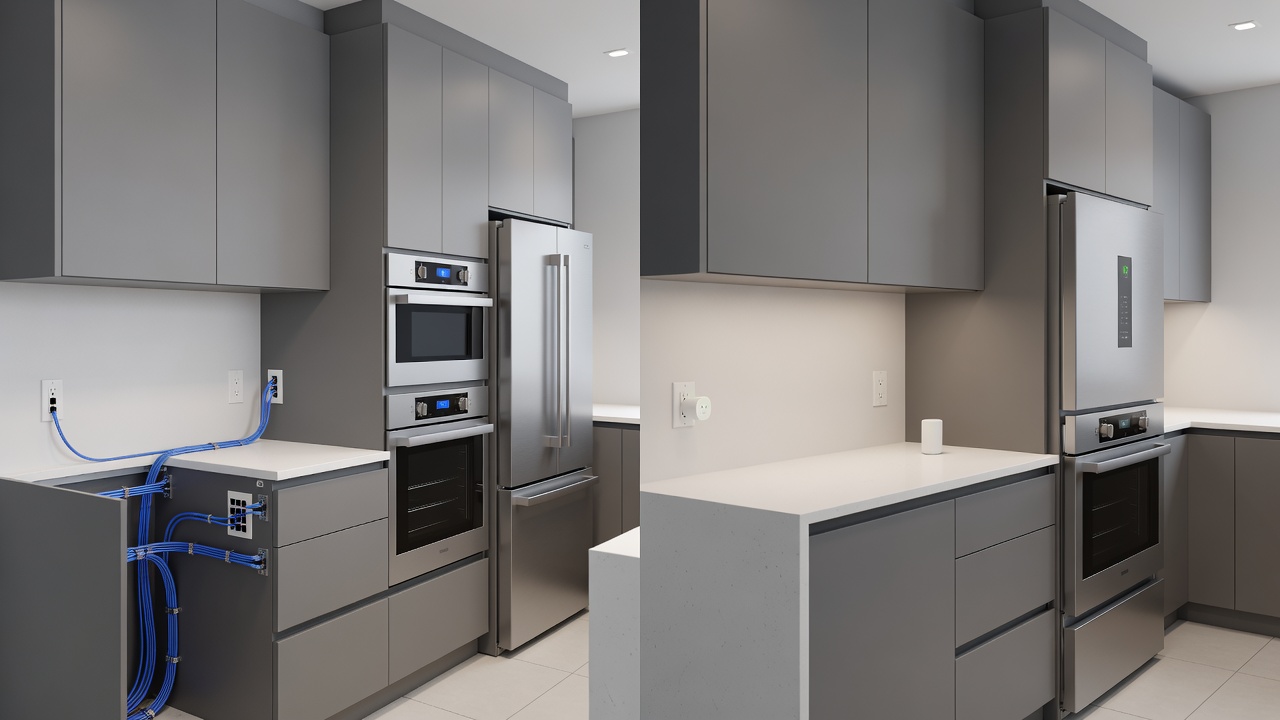
Wired systems connect devices through physical cables, typically Ethernet or dedicated low-voltage wiring. This setup provides consistent performance without interference from walls or other signals. In 2026 renovations, wired options excel in new constructions or major remodels where running cables during demolition is feasible. Key advantages include superior data speeds and lower latency, making them ideal for high-bandwidth applications like 4K security cameras and whole-home audio. Wired networks also tend to be more secure against external hacking attempts because data travels through protected physical paths rather than open airwaves.
These systems often support higher device densities without performance degradation, which is crucial for larger properties with dozens of connected points. For instance, a wired backbone can handle simultaneous streams from multiple video doorbells, thermostats, and lighting zones without buffering issues. Professionals frequently recommend wired setups for entertainment-focused rooms where signal stability directly affects user experience.
Installation Considerations
Professional installation is usually required, involving planning cable routes through walls and ceilings. This adds upfront effort but creates a robust backbone for the entire system. During a renovation, electricians can conceal wiring behind drywall or within conduit channels, preserving clean lines in modern aesthetics. Homeowners should coordinate with contractors early to identify optimal pathways and avoid future disruptions.
Wireless Smart Home Systems: Flexibility and Ease
Wireless systems rely on protocols like Wi-Fi, Zigbee, or Z-Wave to connect devices. They have gained popularity for renovations because they minimize structural disruption. Homeowners can retrofit existing spaces quickly without extensive rewiring. Modern wireless mesh networks improve coverage, reducing dead zones in larger properties. Integration with voice assistants and mobile apps is often straightforward, supporting rapid scaling as needs evolve.
Wireless technology has advanced significantly by 2026, with improved range and interference resistance through multi-band support and AI-optimized routing. Battery life on sensors has extended, allowing years of operation before replacement. This makes wireless ideal for phased renovations where full access to structural elements is limited.
Installation Considerations
DIY-friendly setups allow devices to be added room by room. Battery-powered sensors and plug-in hubs simplify the process, though strategic placement of repeaters may be necessary for optimal performance. Testing signal strength with manufacturer apps before final placement prevents connectivity gaps later.
Design Integration with Contemporary Home Elements
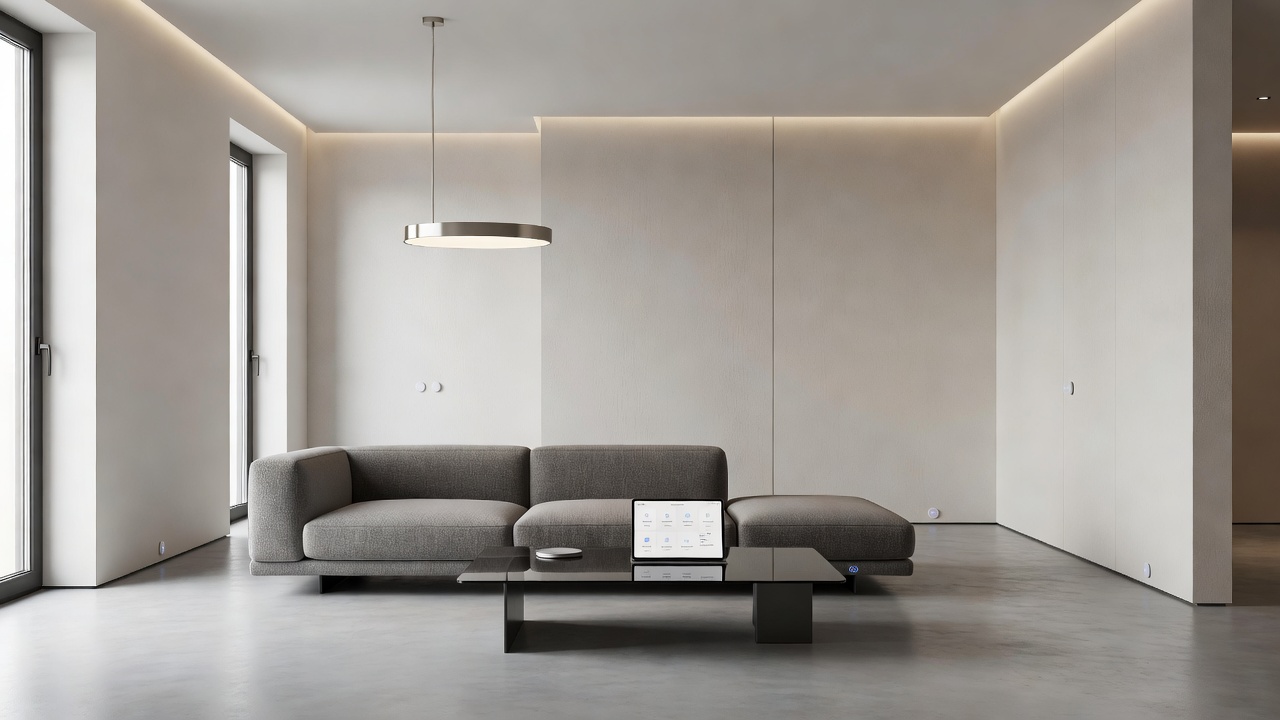
Both wired and wireless systems can enhance or detract from modern design depending on implementation. Wired solutions allow complete concealment of infrastructure, supporting sleek, cable-free appearances in open-concept spaces. Wireless devices, often smaller and battery-operated, blend into minimalist decor but may require visible hubs or repeaters that need thoughtful placement near outlets or furniture.
Consider materials like matte finishes on wireless sensors to match cabinetry or walls. In kitchens and bathrooms, waterproof wireless options integrate with smart appliances without visible wiring. For living areas, recessed wired lighting controls maintain uncluttered walls while enabling advanced scenes and automation.
Side-by-Side Comparison
| Factor | Wired Systems | Wireless Systems |
|---|---|---|
| Reliability | Excellent, immune to interference | Good, but can face signal issues |
| Installation Complexity | High, requires professional help | Low to medium, often DIY |
| Scalability | Requires additional cabling | Easy to expand with new devices |
| Design Integration | Hidden wiring preserves aesthetics | Minimal visible hardware |
| Maintenance | Low after setup | Periodic battery changes |
| Security | Higher baseline protection | Strong with encryption updates |
Scalability and Future-Proofing for 2026 and Beyond
Scalability determines how easily your system grows with family needs or new technologies. Wired setups benefit from pre-installed conduits that allow future cable additions without major demolition. Wireless systems shine in adaptability, letting users add sensors, cameras, or smart plugs instantly via app pairing. Hybrid models combining both often provide the best long-term flexibility for evolving smart ecosystems.
Future-proofing involves selecting platforms with strong manufacturer support and open standards. Look for devices compatible with multiple protocols to avoid vendor lock-in. Regular software updates from reputable providers ensure continued security and feature enhancements.
Real-World Examples of Each Approach
A 2025 loft renovation in Chicago used a fully wired backbone for lighting and AV, resulting in flawless performance during peak usage with no lag in multi-room audio or video feeds. The concealed cabling supported a minimalist aesthetic with touch controls embedded in custom millwork. Conversely, a suburban family home opted for wireless sensors and smart locks, completing the upgrade over a weekend with minimal dust. The wireless mesh covered the entire two-story layout, integrating with existing Wi-Fi for remote monitoring during vacations.
Another example involves a coastal property where wireless moisture sensors were added during a phased kitchen update, providing alerts without disturbing tile work. These cases illustrate how project scope and timeline influence the optimal choice.
Decision Steps Based on Property Size and Renovation Phases
- Assess renovation scope: Full gut jobs suit wired; cosmetic updates suit wireless.
- Evaluate home size and layout for signal strength needs using professional site surveys.
- Prioritize aesthetics by planning concealed components early in design.
- Test compatibility with existing devices and future expansions through pilot installations.
- Consult professionals for hybrid recommendations tailored to your budget and timeline.
- Review energy efficiency ratings from sources like the U.S. Department of Energy to maximize savings.
- Consider cybersecurity guidelines from NIST when selecting connected devices.
Cost Considerations and Value Analysis
Budgeting for smart upgrades involves weighing initial outlays against long-term savings. Wired installations typically demand higher labor due to cabling but offer lower ongoing expenses. Wireless solutions provide quicker ROI through reduced disruption during phased renovations. Property size plays a major role: smaller homes may favor wireless for affordability, while larger estates benefit from hybrid approaches combining both technologies for optimal coverage and performance.
FAQs on Maintenance and Expansion
How do I maintain these systems in 2026?
Wired systems need occasional firmware updates via a central hub. Wireless devices require battery monitoring and occasional network resets for peak efficiency. Annual professional checkups can identify potential issues before they affect daily use.
Can I expand my system later?
Yes, wireless setups allow plug-and-play additions. Wired systems support expansion through pre-installed conduits or by adding new runs during future work phases. Documenting your network layout during initial installation simplifies later modifications significantly.
Conclusion
Choosing between wired and wireless smart systems depends on your renovation timeline, budget priorities, and desired longevity. Both deliver impressive enhancements to modern homes when planned thoughtfully. Evaluate your specific needs, consult experts where necessary, and create a smart environment that boosts comfort, efficiency, and property value for years ahead.

No comments yet. Be the first!